Skateboarding is often celebrated for its exhilarating freedom and creative expression, but what happens when the smooth pavement gives way to challenging, rough terrain? For many skaters, this can be an intimidating hurdle, yet it also offers a thrilling opportunity to enhance your skills and embrace a new level of adventure. In this guide, we will explore the art of skateboarding on rough terrain, providing you with essential techniques and tips to navigate uneven surfaces with confidence. Whether you’re tackling cracked sidewalks, gravel paths, or rugged streets, this journey will empower you to transform obstacles into opportunities and push the boundaries of what’s possible on a skateboard. So, grab your board, embrace the challenge, and let’s conquer the rough terrain together with enthusiasm and skill.
Mastering the Basics: Essential Skills for Rough Terrain
Skateboarding on rough terrain can be a thrilling experience, but it demands a specific set of skills to ensure both safety and performance. First and foremost, you need to focus on developing a strong balance. Core strength is crucial here, as it helps maintain stability on uneven surfaces. Practice standing on one foot or using a balance board to enhance your equilibrium. Additionally, becoming adept at adjusting your stance is essential. Experiment with wider foot placement and bend your knees more than usual, which will absorb shocks and provide better control.
- Choose the Right Equipment: Opt for larger, softer wheels which offer more grip and can roll over obstacles more smoothly.
- Master the Art of Flexibility: Learn to shift your weight quickly from front to back, helping you navigate dips and rises.
- Practice Braking Techniques: Develop the skill of using your back foot to brake or slide, essential for stopping on unpredictable surfaces.
- Stay Alert: Always scan the path ahead for any unexpected bumps, cracks, or debris that might throw you off balance.
By focusing on these core skills, you’ll not only improve your skateboarding on rough terrain but also gain confidence to tackle even more challenging environments. Embrace the adventure with optimism and perseverance, and soon the bumps and cracks will become mere stepping stones on your journey.
Choosing the Right Gear: Wheels, Trucks, and Boards
When tackling rough terrain on a skateboard, the right gear can make all the difference between a smooth ride and a bumpy struggle. Choosing the appropriate wheels, trucks, and boards is crucial for an enjoyable experience. Here are some essential tips to consider:
- Wheels: Opt for larger, softer wheels. Larger wheels (around 54mm to 60mm) help you glide over cracks and pebbles with ease, while softer durometers (78A to 87A) offer better grip and shock absorption.
- Trucks: Consider using trucks that are slightly looser to improve maneuverability. Adjustable bushings can help you find the perfect balance between stability and turning agility, crucial for navigating uneven surfaces.
- Boards: A wider board provides more stability, which is beneficial when skating over unpredictable ground. Decks with a bit of flex can absorb shocks better, reducing fatigue and increasing control.
By selecting gear that aligns with the demands of rough terrain, you can transform your ride from a challenge into a thrilling adventure. Gear up wisely and let the rugged paths become your playground!
Techniques for Stability and Control on Uneven Surfaces
Mastering the art of skateboarding on challenging surfaces requires not only skill but also strategic techniques to maintain balance and control. Begin by adjusting your stance: keep your knees slightly bent and your center of gravity low to enhance stability. This posture helps in absorbing shocks and maintaining balance on bumpy paths. Another crucial technique is to choose the right wheels. Opt for larger, softer wheels which provide better grip and cushioning on uneven terrain. These wheels can roll over cracks and pebbles with greater ease, reducing the likelihood of a sudden stop or fall.
- Body Positioning: Lean forward slightly to ensure that your weight is distributed evenly across the board. This minimizes the risk of tipping over when encountering obstacles.
- Controlled Speed: Maintain a moderate pace. Going too fast can make it difficult to react to unexpected bumps, while going too slow can make you lose momentum.
- Foot Placement: Keep your feet wide apart, closer to the edges of the board, which provides more control and stability.
By integrating these techniques into your practice, you’ll enhance your ability to navigate rough terrain with confidence. Each ride on challenging surfaces is an opportunity to refine your skills, making you a more versatile and adaptive skateboarder.
Safety First: Protecting Yourself While Pushing Limits
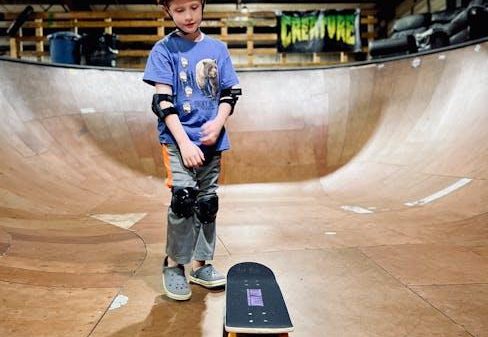
When tackling the challenge of skateboarding on rough terrain, prioritizing your safety is crucial. Start by ensuring your gear is up to the task. Invest in high-quality protective equipment like helmets, knee and elbow pads, and wrist guards. These items are your first line of defense against unexpected spills and slips. Additionally, opt for shoes with excellent grip and support, as they can significantly improve your stability and control.
Equally important is the maintenance of your skateboard. Check your wheels and trucks regularly to ensure they can handle the rugged surfaces. Consider using wheels that are slightly larger and softer than usual; these can absorb more shock and provide a smoother ride over uneven ground. Here are a few tips to keep in mind:
- Stay alert to changes in terrain and adapt your movements accordingly.
- Practice balance exercises to enhance your agility and response time.
- Learn to fall safely, tucking and rolling to minimize impact.
By taking these precautions, you can confidently explore new and challenging terrains, pushing your skateboarding skills to the next level while keeping safety at the forefront.