In the ever-evolving world of professional surfing, mastering the art of wave reading is a crucial skill that can set elite surfers apart from the rest. As the ocean presents its ever-changing canvas, those who can interpret its subtle cues hold a distinct advantage in competition and free surfing alike. This article delves into advanced wave reading techniques, offering insights and strategies to elevate your surfing prowess. With an optimistic outlook, we explore how these techniques can enhance your connection with the ocean, improve your decision-making on the water, and ultimately, lead to more exhilarating rides. Whether you’re a seasoned pro or an aspiring competitor, embracing these advanced skills will empower you to harness the full potential of every wave, turning challenges into opportunities and enhancing your surfing experience.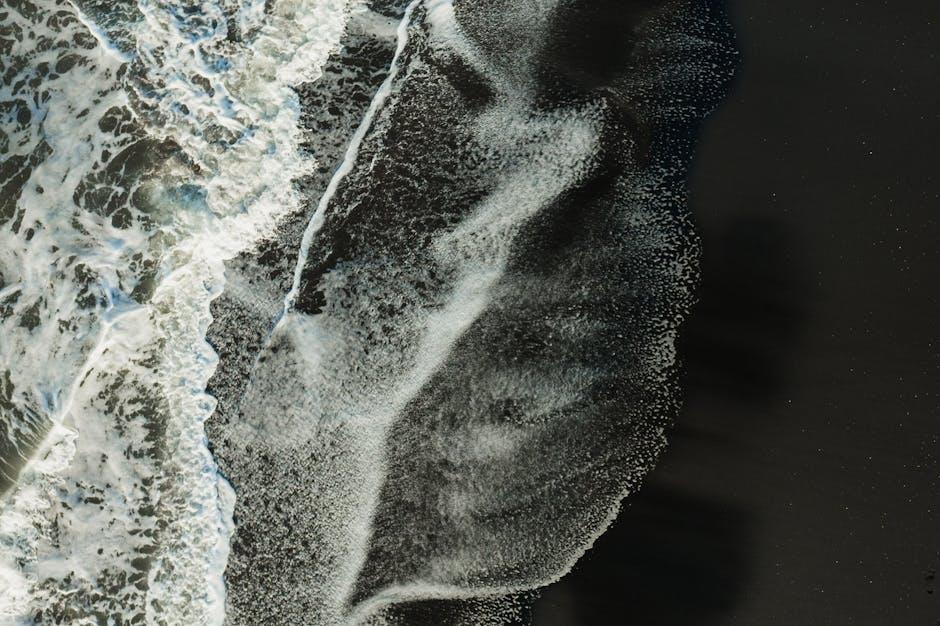
Mastering the Art of Ocean Dynamics
Unlocking the secrets of the ocean’s ever-changing canvas requires a deep understanding and keen observation of wave patterns. As a professional surfer, refining your wave reading techniques can significantly enhance your performance and safety. Begin by focusing on the wave’s shape and size. Recognize the difference between a rolling wave and a plunging breaker, as each demands distinct strategies and maneuvers. Observe the intervals between waves to anticipate the best moments for paddling out or catching a ride.
- Wave Direction: Identify the wave’s direction and adapt your approach to maximize your ride.
- Water Color: Subtle changes in water color can indicate underwater topography, revealing hidden sandbanks or reefs.
- Wind Patterns: Understand how offshore and onshore winds affect wave quality and formation.
- Local Knowledge: Consult with local surfers or guides to gain insights into unique wave behaviors at specific breaks.
By honing these advanced techniques, you not only elevate your surfing prowess but also deepen your connection with the ocean’s dynamic rhythms. Embrace the challenge and revel in the journey of mastering wave reading to ride with confidence and grace.

Enhancing Performance through Wave Prediction
For professional surfers, the art of predicting waves goes beyond mere observation—it’s about harnessing a combination of intuition, experience, and cutting-edge technology. By integrating advanced wave prediction techniques, surfers can significantly enhance their performance on the water. Understanding wave patterns and anticipating their behavior are crucial skills that can be developed through a mix of methods:
- Analyzing Swell Data: Use apps and websites that provide real-time swell information, allowing you to predict the size, direction, and frequency of incoming waves.
- Observing Wind Patterns: Wind plays a pivotal role in shaping waves. Learn to read local wind conditions to anticipate how they will affect wave quality and form.
- Studying Tidal Movements: Tides influence the break and shape of waves. Familiarize yourself with local tide charts to predict the best times to hit the surf.
- Utilizing Technology: Embrace tools like wave buoys and drones to gather data and visuals that enhance your understanding of the surf environment.
By mastering these techniques, professional surfers can anticipate changes in the surf, allowing for quicker adaptation and improved decision-making in the lineup. This proactive approach not only boosts performance but also elevates the overall surfing experience.

Harnessing Technology for Superior Wave Analysis
In the realm of professional surfing, technology has become an invaluable ally in enhancing wave analysis. By leveraging advanced tools, surfers can now predict and interpret wave patterns with unprecedented accuracy. Satellite imagery and oceanographic data are pivotal in providing real-time insights into wave height, frequency, and direction. These technologies allow surfers to fine-tune their strategies, ensuring they are always in the right place at the right time.
- Wave Buoys: These devices offer on-the-spot data about wave conditions, transmitting information about wave height, period, and water temperature directly to surfers’ devices.
- Mobile Apps: Applications such as Surfline and Magicseaweed aggregate data from various sources, offering personalized wave forecasts and alerts.
- Drones: Equipped with high-resolution cameras, drones provide a bird’s-eye view of wave formations, allowing surfers to anticipate changes in conditions and adjust their techniques accordingly.
By embracing these technological advancements, professional surfers can enhance their understanding of the ocean’s dynamics, leading to improved performance and a competitive edge in the sport.
Building Intuition with Real-time Wave Observations
Enhancing your wave reading skills can significantly impact your surfing performance. By engaging with real-time wave observations, surfers can fine-tune their intuition and respond to ocean dynamics with precision. This approach involves immersing oneself in the continuous flow of wave patterns, allowing the surfer to anticipate changes and adapt quickly. Here are some key techniques to build your wave intuition:
- Observe and Analyze: Spend time watching waves from different vantage points. Note how they form, break, and interact with the wind and tides.
- Track Weather Patterns: Use apps and online resources to monitor swell directions, wind speeds, and tidal changes.
- Experiment with Timing: Practice entering waves at different phases to understand the best timing for your maneuvers.
- Engage with Technology: Utilize surf cameras and sensors to gather real-time data and refine your understanding of wave behaviors.
By consistently applying these strategies, surfers can develop a heightened sense of awareness and improve their ability to predict wave movements. This not only enhances performance but also increases safety and enjoyment in the water.