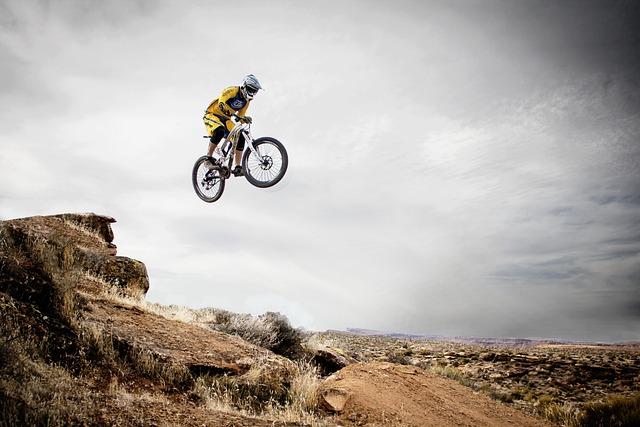
Mountain biking downhill trails is an exhilarating adventure that combines the thrill of speed with the beauty of nature. For those passionate about the sport, there’s always the question of how to go faster while maintaining control and safety. Whether you’re a seasoned rider looking to shave seconds off your time or a beginner eager to tackle more challenging descents, increasing your speed on downhill trails is both an achievable and rewarding goal. In this guide, we’ll explore proven techniques and strategies to enhance your performance, boost your confidence, and maximize your enjoyment on the trails. With the right approach and mindset, you can transform your downhill rides into smooth, fast, and thrilling experiences. So gear up, and let’s dive into the world of faster, more efficient mountain biking.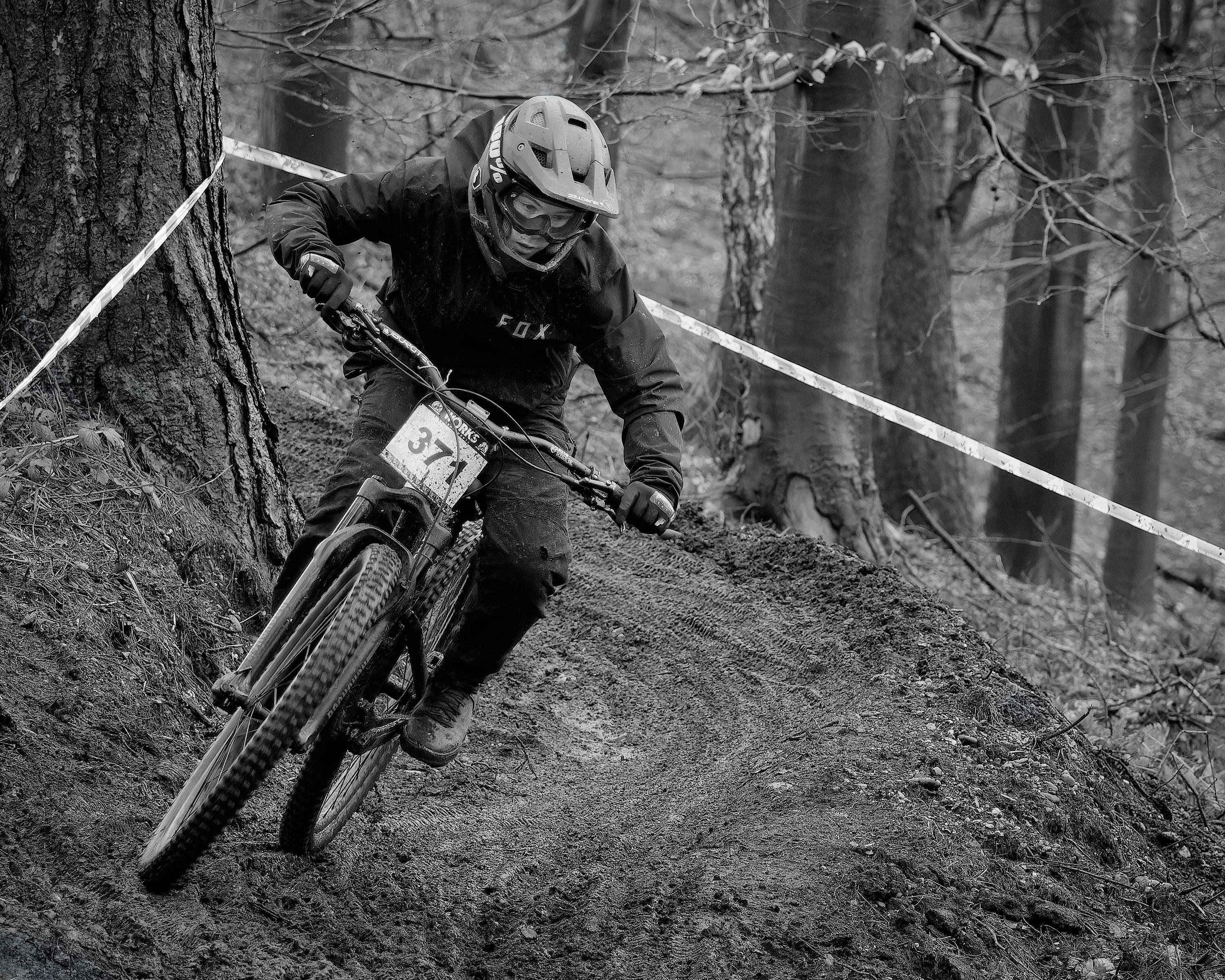
Mastering Body Position for Optimal Control
When conquering downhill trails, your body position is your greatest ally. Mastering the art of positioning yourself correctly on the bike ensures that you not only maintain speed but also have the necessary control to navigate tricky descents. Here are some essential tips to perfect your stance:
- Stay Centered: Keep your weight centered over the bike. This balance allows you to adapt quickly to changes in terrain and maintain traction.
- Low and Loose: Lower your center of gravity by bending your knees and elbows. A lower stance enhances stability and helps absorb shocks from the trail.
- Eyes Forward: Look ahead, not down at your wheels. Focusing on the trail ahead helps you anticipate obstacles and plan your line of attack.
- Grip with Ease: Hold the handlebars firmly but not too tight. A relaxed grip reduces fatigue and enhances your ability to react swiftly.
By honing these techniques, you’ll find yourself gliding down trails with increased speed and confidence. Embrace these adjustments, and watch as your downhill prowess reaches new heights.
Choosing the Right Gear for Maximum Speed
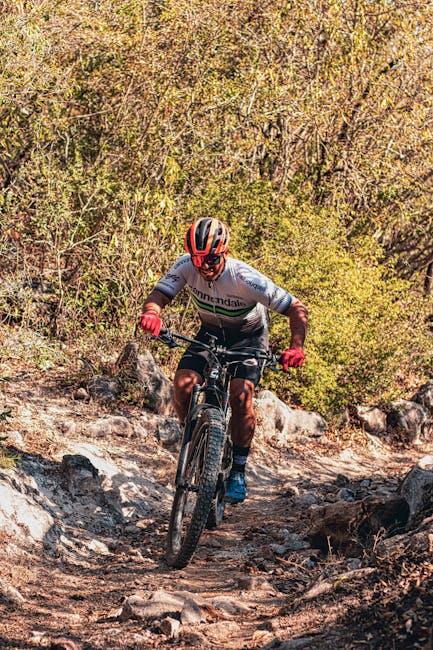
When it comes to boosting your downhill mountain biking speed, selecting the right gear is crucial. Begin by choosing a bike that is designed specifically for downhill racing. Look for features like full suspension to absorb the shocks from rough terrain and a lightweight frame for easier maneuverability. Equally important is the choice of tires; opt for wide tires with deep tread patterns to ensure maximum grip and control at high speeds.
- Helmet: A full-face helmet is a must for both protection and aerodynamics.
- Gloves: Invest in gloves that offer excellent grip and padding to reduce hand fatigue.
- Clothing: Wear breathable, moisture-wicking fabrics to keep you comfortable as you race down the trails.
- Footwear: Sturdy shoes with solid grip are essential for maintaining foot stability on the pedals.
Enhance your setup with a well-maintained drivetrain and brakes to ensure seamless transitions and reliable stopping power. Regular maintenance checks on these components can make a significant difference in your speed and safety. With the right gear and setup, you’re not just prepared to tackle the trails—you’re ready to dominate them.
Enhancing Braking Techniques for Smooth Descents
Mastering braking techniques is pivotal for maintaining control and maximizing speed on downhill trails. Controlled braking is essential; instead of abruptly clamping down on your brakes, practice feathering them to modulate speed without sacrificing momentum. This technique involves gently squeezing and releasing the brake levers to find that sweet spot between too fast and too slow. Engage both brakes simultaneously for better stability, with a slight bias towards the rear to prevent the front wheel from locking up. Remember, it’s not about stopping but rather controlling your descent with finesse.
- Weight Distribution: Shift your weight slightly back when braking to prevent the front wheel from digging in.
- Body Position: Keep your elbows and knees bent to absorb shocks and maintain balance.
- Focus Ahead: Look ahead down the trail to anticipate changes and prepare for braking early.
- Practice on Different Surfaces: Get comfortable braking on varied terrains to improve adaptability.
By refining these techniques, you’ll not only enhance your confidence but also ensure a smoother, more exhilarating ride down those thrilling mountain trails.
Building Confidence Through Progressive Training
Embracing a step-by-step approach can significantly boost your confidence and speed on downhill mountain biking trails. Start by mastering the basics: maintain a low center of gravity, keep your elbows and knees slightly bent, and always look ahead to anticipate obstacles. As you progress, focus on refining your technique by practicing on trails that incrementally increase in difficulty. This method allows you to gradually build skills and mental readiness, ensuring that you’re not overwhelmed by challenging terrains too soon.
- Focus on Balance: Develop core strength through exercises like planks and yoga to enhance your stability on the bike.
- Braking Techniques: Learn to feather your brakes for smoother control, especially in steep sections.
- Body Positioning: Experiment with shifting your weight forward and backward to find the most effective stance for different parts of the trail.
- Trail Familiarization: Repeatedly ride the same trail to understand its quirks, which helps in anticipating and reacting faster.
- Incremental Challenges: Gradually increase speed as your confidence grows, focusing on smooth, controlled descents.
By methodically building your skills and confidence, you’ll soon find yourself tackling downhill trails with greater speed and enjoyment. Remember, every rider progresses at their own pace, so celebrate each milestone, no matter how small.