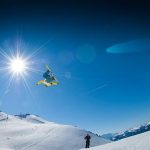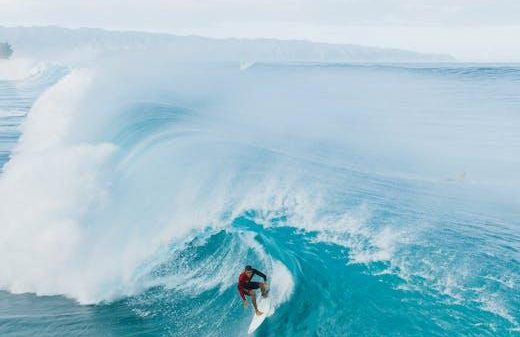
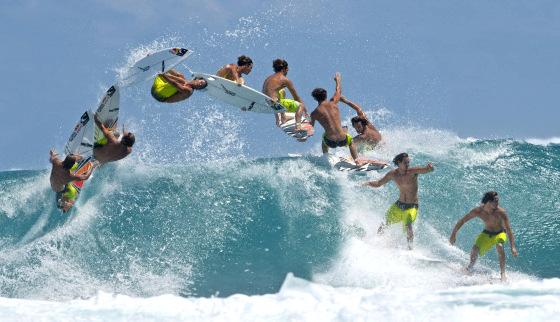
Surfing aerials, characterized by their dynamic and gravity-defying maneuvers, represent the pinnacle of modern surfing prowess. These high-flying tricks captivate audiences and challenge athletes to push the boundaries of their skills. However, the thrill of executing a perfect aerial is not without its risks, particularly when it comes to shoulder dislocations. This common injury can sideline even the most seasoned surfers, underscoring the importance of preventative measures. In this article, we delve into the biomechanics of surfing aerials and provide authoritative strategies to safeguard against shoulder dislocations. By understanding the underlying causes and implementing targeted exercises and techniques, surfers can enhance their performance while minimizing the risk of injury, ensuring that their time on the waves is both exhilarating and safe.
Understanding the Mechanics of Shoulder Dislocation in Surfing Aerials
In the dynamic and high-energy environment of surfing aerials, understanding the biomechanics of shoulder dislocation is crucial for prevention. Shoulder dislocations occur when the upper arm bone pops out of the cup-shaped socket that is part of the shoulder blade. This injury is particularly common in surfing due to the intense rotational forces and abrupt impacts with the water. When executing an aerial, surfers are often subjected to rapid directional changes and awkward landings, which can place excessive stress on the shoulder joint. Key factors contributing to this vulnerability include:
- Lack of muscular support: Weakness in the rotator cuff muscles can reduce the stability of the shoulder joint.
- Improper technique: Poor execution of aerial maneuvers increases the risk of misalignment and injury.
- Repetitive stress: Continuous practice without adequate rest can lead to overuse injuries, weakening the shoulder’s structural integrity.
By focusing on strengthening the surrounding muscles and refining aerial techniques, surfers can significantly mitigate the risk of shoulder dislocations. Incorporating exercises that enhance shoulder stability and flexibility into regular training routines is essential. Additionally, understanding the mechanics of each aerial maneuver and ensuring proper execution can prevent undue strain on the shoulder joint, thereby safeguarding against potential injuries.
Key Strengthening Exercises to Fortify Shoulder Stability
For surfers looking to prevent shoulder dislocations, especially during the high-impact moves of aerials, integrating key strengthening exercises into your routine is essential. These exercises target the rotator cuff muscles and surrounding stabilizers to enhance overall shoulder resilience. Consider incorporating the following into your training regimen:
- External Rotations: Using resistance bands, perform external rotations to strengthen the infraspinatus and teres minor muscles, crucial for shoulder stability.
- Scapular Push-Ups: Focus on controlling the scapula as you push up, which engages the serratus anterior, aiding in shoulder blade stabilization.
- Shoulder I-Y-T Raises: These exercises, performed with light weights, enhance the deltoids and rotator cuff coordination, improving shoulder joint integrity.
- Turkish Get-Ups: This complex movement strengthens the entire shoulder girdle, promoting better control and alignment under load.
Consistency is key, and by incorporating these exercises into your routine, you can build a robust foundation that not only prevents injuries but also enhances your performance in the surf.

Techniques for Safe Execution of Surfing Aerials
Executing aerials in surfing demands a combination of skill, balance, and agility. To mitigate the risk of shoulder dislocations, it’s crucial to adopt specific techniques that ensure safety while enhancing performance. Core strength is fundamental; maintaining a strong core helps in stabilizing your body during aerial maneuvers, reducing undue stress on the shoulders. Proper warm-up routines are essential to prepare your muscles and joints, focusing particularly on dynamic stretches that enhance flexibility and mobility.
Consider the following tips to further safeguard your shoulders:
- Position your arms correctly: Keep your arms close to your body during takeoff and landing to avoid awkward twists.
- Use your legs for propulsion: Emphasize leg power to generate lift, minimizing the reliance on shoulder muscles.
- Practice controlled landings: Aim for smooth, balanced landings to prevent jarring impacts that can lead to dislocations.
Incorporating these techniques into your routine can significantly reduce the risk of injury, allowing you to enjoy the thrill of aerials with confidence.
Essential Gear and Equipment to Minimize Shoulder Injury Risks
To significantly reduce the risk of shoulder injuries while executing surfing aerials, investing in the right gear and equipment is crucial. Start with a high-quality surfboard leash. A leash with a reliable swivel and a comfortable cuff can prevent sudden tugs that might lead to awkward falls, thereby protecting your shoulders from dislocation. Additionally, opt for a board that suits your skill level and body weight to maintain optimal control during aerial maneuvers.
- Wetsuit with shoulder support: Choose a wetsuit that offers additional shoulder support. Some wetsuits come with reinforced panels around the shoulder area, providing stability and reducing strain during aerials.
- Shoulder braces: Wearing a shoulder brace can offer extra support and limit the range of motion to prevent overextension.
- Traction pads: Enhance your board with traction pads to ensure a firm grip and avoid slipping, which can lead to sudden shoulder jerks.
- Properly fitting gear: Ensure all your gear fits correctly. Ill-fitting equipment can cause misalignment and increase the risk of injury.
Lastly, consider using training aids like resistance bands to strengthen shoulder muscles and improve flexibility. By integrating these essential items into your surfing routine, you can enjoy the thrill of aerials with reduced risk of shoulder dislocations.