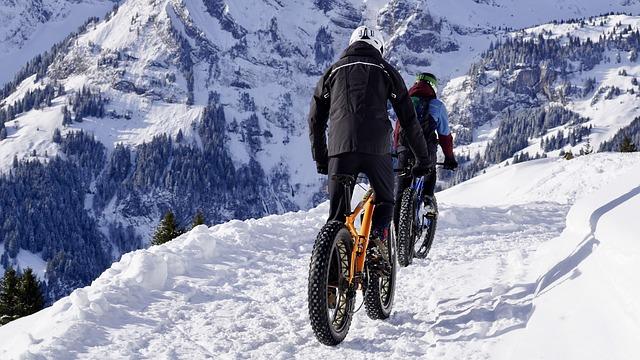
Mountain biking, an exhilarating blend of endurance, skill, and adrenaline, offers enthusiasts the thrill of exploring rugged terrains and untamed landscapes. However, this adventure sport is not without its risks, and even the most seasoned riders can find themselves facing unexpected falls. Knowing how to recover quickly and effectively from a mountain biking fall is crucial not only for minimizing injuries but also for ensuring a swift return to the trails. This article delves into essential strategies and practical steps that riders can take immediately after a fall, encompassing both physical recovery and mental resilience. By equipping yourself with this knowledge, you can enhance your safety, boost your confidence, and continue to enjoy the challenges and rewards of mountain biking with peace of mind.
Assessing Injuries and Taking Immediate Action
After a mountain biking fall, the first step is to perform a quick self-assessment to determine the severity of your injuries. Stay calm and take a few deep breaths to steady yourself. Begin by checking for any obvious signs of injury such as cuts, bruises, or swelling. If you notice any severe pain or suspect a fracture, it’s crucial to immobilize the affected area immediately and seek professional medical assistance. For minor scrapes and bruises, gently clean the area with water to prevent infection.
Once the initial assessment is complete, take immediate action to ensure a swift recovery. Consider the following steps:
- Apply a cold compress to reduce swelling and numb the pain.
- Elevate the injured area if possible to minimize blood flow and further swelling.
- Use an over-the-counter pain reliever to manage discomfort.
- Hydrate well to support your body’s natural healing process.
Essential Gear and Techniques for Injury Prevention
Ensuring safety on the trails begins long before your tires touch the dirt. Investing in high-quality protective gear is non-negotiable for any mountain biker aiming to minimize the risk of injury. A sturdy helmet is paramount, ideally one with a MIPS system to reduce rotational forces during impacts. Knee and elbow pads with hard shells and foam cushioning can protect against scrapes and bruises, while gloves with reinforced palms enhance grip and safeguard your hands during falls.
- Choose a helmet with a snug fit and ample ventilation.
- Opt for body armor that balances protection with flexibility.
- Invest in shoes with firm soles for better pedal control.
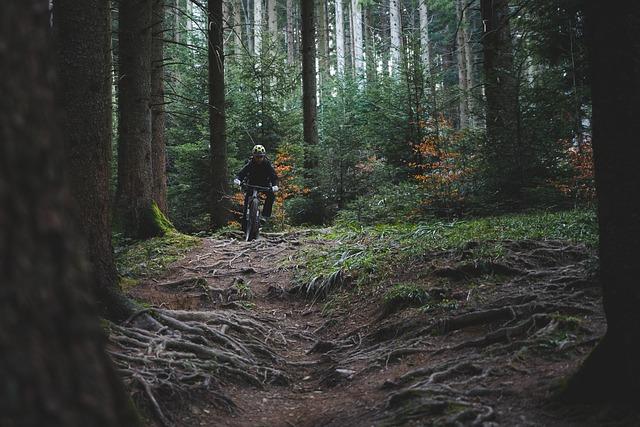
Beyond gear, mastering the right techniques can significantly cut down on injury risks. Proper body positioning and balance are key; keep your weight centered and your eyes focused ahead to anticipate obstacles. Braking skills are equally crucial—learn to modulate your brakes to maintain control without skidding. practice falling techniques such as rolling with the momentum rather than stiffening up, which can help in reducing the impact of a tumble.
Effective Recovery Exercises and Physical Therapy Tips
After a mountain biking fall, getting back on track involves a careful blend of rest and targeted exercises. Recovery exercises are crucial for regaining strength and flexibility. Start with gentle range-of-motion exercises such as ankle pumps and knee bends to keep your joints flexible without adding strain. As you progress, incorporate strengthening exercises like leg raises and calf raises to rebuild muscle endurance. Remember to listen to your body and avoid any movements that cause pain.
Incorporating physical therapy tips can significantly enhance your recovery process. Ensure you maintain proper posture when performing exercises, as this helps prevent additional injuries. Utilize ice therapy immediately after the fall to reduce swelling, followed by heat therapy after a few days to relax stiff muscles. Keep in mind the importance of hydration and a balanced diet to fuel your body’s healing process. By following these expert tips, you’ll be back on your bike, ready to tackle new trails with renewed confidence.
Mental Strategies to Overcome Fear and Regain Confidence
Experiencing a fall while mountain biking can shake even the most seasoned rider’s confidence. To quickly regain your composure, it’s crucial to address the psychological impact of the incident with effective mental strategies. Start by acknowledging your fear; it’s a natural response and doesn’t define your ability as a rider. Visualization can be a powerful tool—imagine yourself successfully navigating the section where you fell, focusing on the techniques and control you’ve mastered over time. This not only boosts confidence but also rewires your brain to associate the trail with positive outcomes.
Engage in positive self-talk to counteract any negative thoughts that arise. Remind yourself of past successes and your capability to handle challenges. Consider these steps to bolster your mental resilience:
- Reflect: Analyze the fall objectively to understand what went wrong and what can be improved.
- Set realistic goals: Start with small, manageable rides to rebuild confidence gradually.
- Seek support: Ride with friends who can provide encouragement and share their own recovery experiences.
By focusing on these strategies, you’ll not only overcome your fear but also emerge as a more confident and skilled mountain biker.