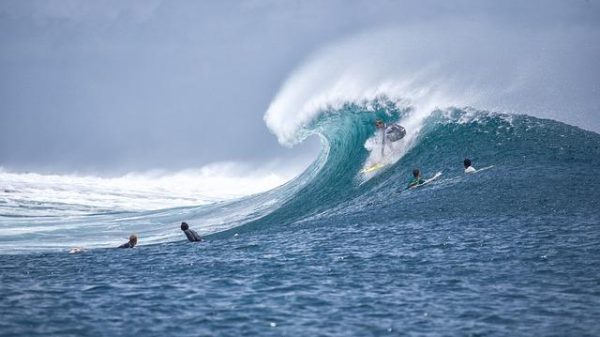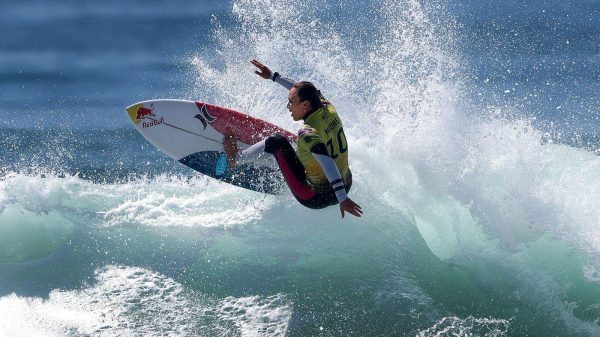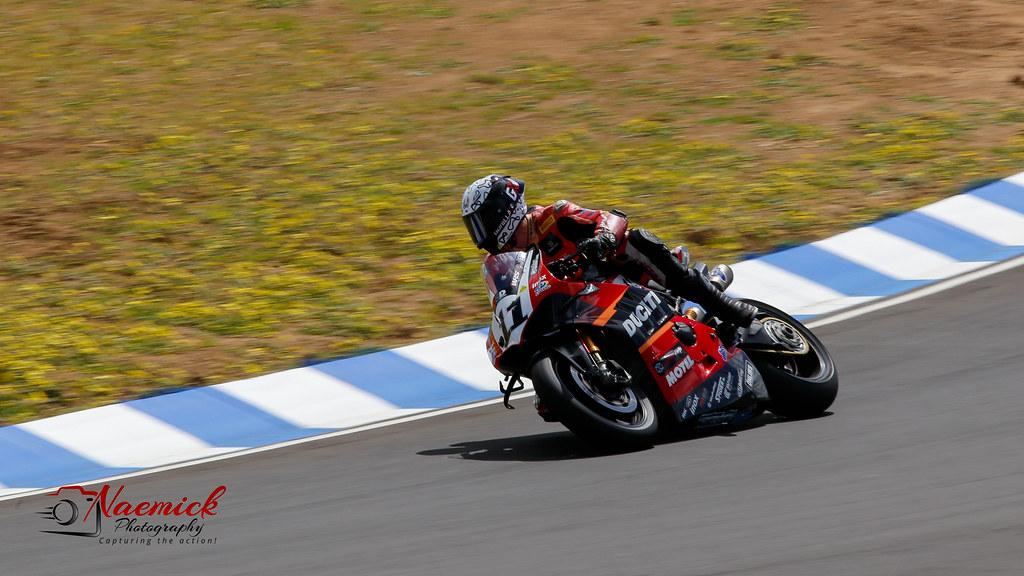
Extreme sports have long been celebrated as a bastion of counterculture, a realm where individual expression and defiance of conventional norms take precedence over structured competition. Emerging from the fringes of society, activities like skateboarding, snowboarding, and surfing initially thrived on the values of rebellion, creativity, and personal freedom. However, as these sports have gained mainstream popularity and commercial success, the focus has increasingly shifted towards competition, with athletes vying for titles, sponsorships, and global recognition. This evolution raises a critical question: does the emphasis on competitive success undermine the very counterculture roots that once defined extreme sports? By examining the historical context, cultural impact, and current trends within these activities, this article seeks to explore the complex relationship between the spirit of individualism and the pressures of competition in the world of extreme sports.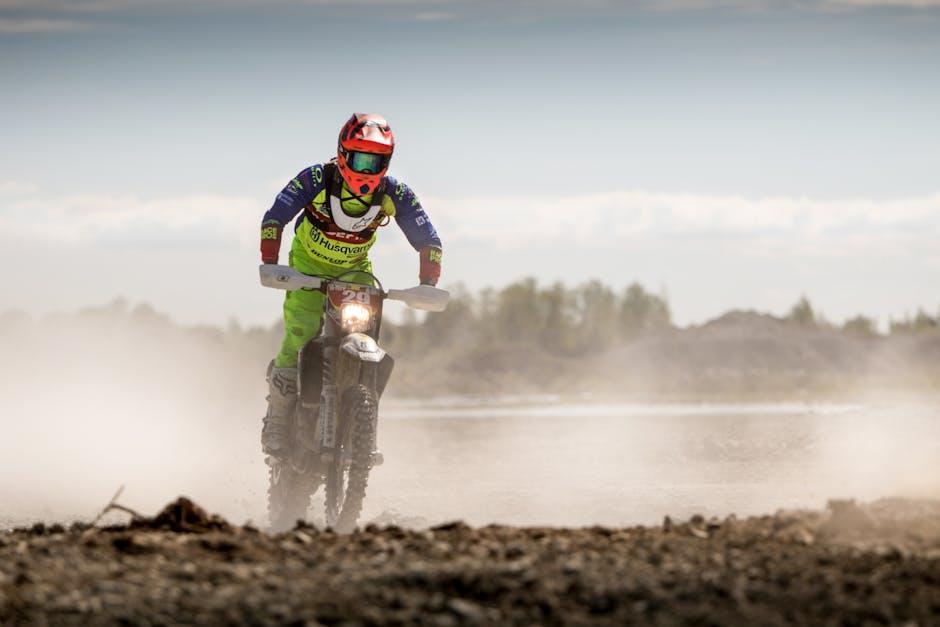
Examining the Shift from Counterculture to Mainstream in Extreme Sports
In recent years, the commercialization and institutionalization of extreme sports have led to a significant transformation in their cultural identity. Originally rooted in a counterculture ethos that celebrated individuality, rebellion, and freedom from conventional norms, these sports are now increasingly driven by competitive frameworks and corporate sponsorships. This shift raises critical questions about the integrity of their original spirit. Skateboarding, snowboarding, and surfing—once seen as subversive acts against the mainstream—now find themselves center stage at events like the X Games and the Olympics. As a result, the focus on competition has begun to overshadow the essence of personal expression and non-conformity that initially defined these sports.
Key elements that contributed to the counterculture roots of extreme sports are being challenged by this mainstream transition. Consider the following:
- Commercialization: Major brands are now heavily invested, shifting focus from self-expression to profit-driven motives.
- Institutionalization: Official rules and standardized judging criteria often limit creative freedom.
- Globalization: The widespread popularity has diluted the original localized cultures and communities.
While the increased visibility and opportunities for athletes are undeniable benefits, the question remains: does this evolution enhance or erode the essence of extreme sports? The challenge lies in balancing the spirit of rebellion with the demands of a competitive arena, ensuring that the heart of these sports continues to beat with the same passion and authenticity as before.
Analyzing the Impact of Competitive Structures on Extreme Sports Identity
In the realm of extreme sports, where individuality and freedom have traditionally reigned supreme, the encroachment of competitive structures poses a fascinating dichotomy. Extreme sports like skateboarding, surfing, and snowboarding have long thrived on their countercultural ethos, characterized by rebellion, creativity, and a do-it-yourself spirit. However, as these sports gain mainstream popularity and formalized competitions become more prevalent, questions arise about whether their authentic identity is being compromised. The institutionalization of competitions often brings with it standardization, which can clash with the very essence of what makes extreme sports unique. This shift raises critical questions about whether the competitive focus is nurturing or stifling the creative expression that these sports were built upon.
Consider the implications of competitive structures on the athletes themselves. While some embrace the chance to showcase their skills on a global stage, others argue that this focus can lead to a homogenization of style and technique. As extreme sports become more regulated, there is a risk that the drive for perfection and winning can overshadow the original spirit of adventure and personal expression. Key elements of the counterculture roots that could be affected include:
- Spontaneity: The freedom to experiment and push boundaries without constraints.
- Authenticity: Maintaining a genuine connection to the sport’s origins and community.
- Innovation: Encouraging new tricks and styles without the pressure of conforming to competition standards.
Ultimately, while competitive structures bring legitimacy and visibility to extreme sports, they must strike a balance to ensure that the core values and identity of these sports are preserved and celebrated.

Balancing Competition and Counterculture: Challenges and Opportunities
In the realm of extreme sports, the tension between maintaining a competitive edge and preserving the essence of counterculture presents both challenges and opportunities. Extreme sports like skateboarding, surfing, and BMX biking have long been rooted in rebellion and individuality, often thriving outside the boundaries of mainstream acceptance. However, as these sports gain popularity and commercial interest, there is a growing emphasis on competition, which can inadvertently dilute their countercultural essence. The influx of sponsorships, media coverage, and professional leagues has transformed many of these sports into structured spectacles, sometimes prioritizing performance metrics over the unrestrained spirit that initially defined them.
- Challenges:
- The risk of losing the authentic voice and ethos of the sport.
- Pressure on athletes to conform to standardized criteria, potentially stifling creativity.
- Opportunities:
- Increased visibility can lead to greater cultural acceptance and support.
- New platforms and events can be created to celebrate both competition and creativity.
By navigating these dynamics carefully, stakeholders in extreme sports can work towards a future where competition and counterculture not only coexist but also enhance one another. This involves fostering environments that encourage innovation while still celebrating the unique, unorthodox elements that make extreme sports captivating.

Strategies to Preserve the Counterculture Essence in Competitive Extreme Sports
- Embrace Individuality: Encourage athletes to celebrate their unique styles and personalities, both on and off the field. This can be achieved by promoting creative expression in competitions, where originality is valued alongside technical skill. Supporting athletes in developing their personal brand can help maintain the counterculture ethos, emphasizing self-expression over conformity.
- Community-Centric Events: Organize events that prioritize community engagement and collaboration over cutthroat competition. By hosting gatherings where the focus is on shared experiences and mutual support, rather than solely on winning, the original spirit of camaraderie in extreme sports can be preserved. These events can include workshops, exhibitions, and jam sessions, which foster a sense of belonging and collective growth.
- Alternative Sponsorship Models: Encourage sponsorships that align with the values of the counterculture movement. Companies that support environmental sustainability, social justice, and innovation can partner with athletes and events, ensuring that financial backing does not compromise the authenticity of the sport. This approach allows athletes to remain true to their roots while benefiting from the support necessary to compete at high levels.
Maintaining a balance between competition and the core values of counterculture in extreme sports requires intentional effort and innovative strategies. By focusing on individuality, community, and value-aligned sponsorships, the essence of these sports can be preserved, ensuring that they remain a beacon of creativity and rebellion against mainstream norms.