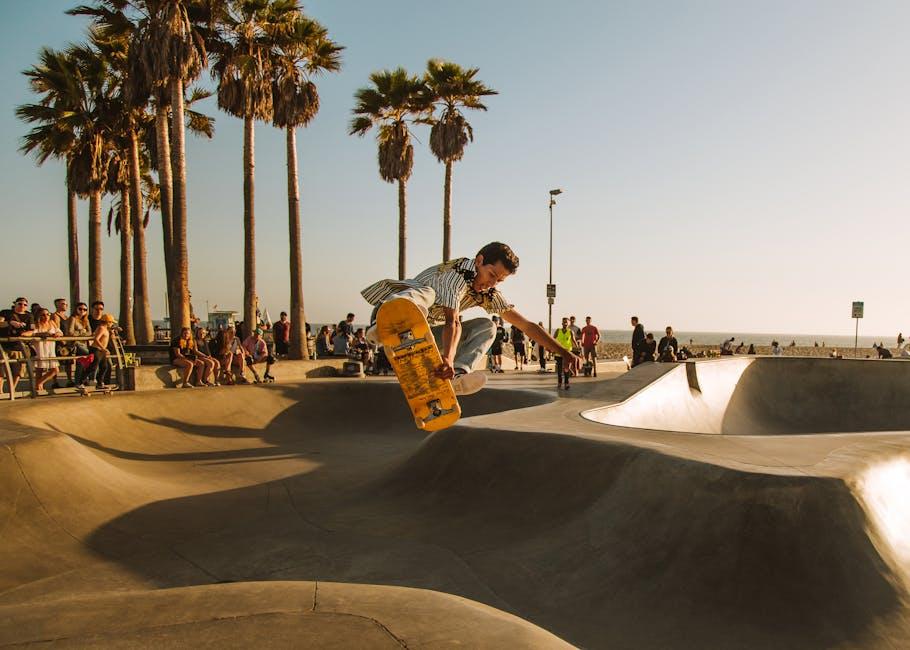
Flexibility is a cornerstone of effective skateboarding, enhancing performance and reducing the risk of injury. As skaters push the boundaries of their abilities, recovery exercises specifically designed to improve flexibility become essential. This article delves into the best recovery exercises tailored for skateboarders, offering authoritative insights into techniques that not only aid in muscle recovery but also enhance overall flexibility. By integrating these exercises into their routine, skaters can achieve greater control, execute complex maneuvers with ease, and prolong their skating careers. Whether you are a seasoned professional or a passionate amateur, understanding and implementing these recovery exercises can transform your skateboarding experience.
Dynamic Stretching Techniques for Enhanced Flexibility
- Leg Swings: Begin by standing on one leg and swinging the other leg forward and backward in a controlled manner. This movement not only prepares your hips for the dynamic movements of skateboarding but also enhances the flexibility of your hamstrings and hip flexors. Incorporate side-to-side leg swings to engage your abductors and adductors, crucial for maintaining balance on your board.
- Arm Circles: Keep your shoulders mobile and ready for action by performing arm circles. Start with small circles and gradually increase their size. This technique helps in loosening up the shoulder joints, which are pivotal for maintaining upper body stability during tricks and turns.
- Hip Circles: Place your hands on your hips and rotate them in large, smooth circles. This exercise is excellent for improving the flexibility of your hip joints, crucial for performing ollies and other skateboarding maneuvers that require swift hip movements.
- Walking Lunges: A staple in dynamic stretching, walking lunges activate your quadriceps, glutes, and calves. They simulate the forward motion experienced while skating, ensuring your lower body is both flexible and strong.
- Torso Twists: Stand with your feet shoulder-width apart and twist your torso side to side. This movement enhances spinal flexibility and engages your core muscles, essential for maintaining balance and executing sharp turns.
Targeted Yoga Poses to Boost Skateboarding Agility
Enhancing agility on a skateboard involves more than just practice on the board; it also requires flexibility and strength, which can be significantly improved through targeted yoga poses. These exercises are designed to increase your range of motion, enhance muscle control, and build the core strength essential for executing smooth transitions and tricks. Here are some highly effective poses to incorporate into your routine:
- Downward-Facing Dog (Adho Mukha Svanasana): This foundational pose stretches the hamstrings, calves, and shoulders while strengthening the arms and legs. It promotes full-body engagement and helps skateboarders maintain balance and stability.
- Pigeon Pose (Eka Pada Rajakapotasana): Known for its deep hip-opening benefits, this pose is essential for skateboarders who need to maintain flexibility in their hips and glutes. It aids in preventing injuries related to tightness in these areas.
- Chair Pose (Utkatasana): Engaging the core, thighs, and lower back, Chair Pose builds strength and endurance. This translates to improved agility and control during skateboarding maneuvers.
- Revolved Triangle Pose (Parivrtta Trikonasana): This pose enhances balance and coordination while providing a deep stretch to the spine and legs. It is particularly beneficial for skateboarders who perform spins and twists.
Incorporating these yoga poses into your routine will not only help in recovery but also ensure that your body remains flexible and resilient, ready to tackle the dynamic demands of skateboarding. By focusing on these specific areas, you can significantly enhance your performance and reduce the risk of injury.
Foam Rolling Practices for Muscle Recovery and Flexibility
Incorporating foam rolling into your skateboarding routine can significantly enhance muscle recovery and flexibility. Foam rolling, a form of self-myofascial release, helps break down adhesions and scar tissue while increasing blood flow to the muscles. This process is crucial for skateboarders who consistently push their physical limits. To maximize the benefits, focus on key muscle groups that are heavily engaged in skateboarding:
- Calves: Rolling the calves can alleviate tightness, improving your ability to maintain balance and control during tricks.
- Quadriceps: Targeting the quads aids in reducing soreness from repetitive bending and crouching.
- Hamstrings: Loosening the hamstrings can enhance your flexibility for more fluid movements.
- IT Band: Although it might be uncomfortable, rolling the IT band can help prevent knee pain and injuries.
For optimal results, spend about 1-2 minutes on each muscle group, using slow and controlled movements. Remember to breathe deeply and relax your muscles as you roll to ensure maximum effectiveness. Consistent foam rolling not only aids in quicker recovery but also prepares your body for the demands of skateboarding, leading to improved performance and reduced risk of injury.
Incorporating Balance Drills to Improve Range of Motion
Incorporating balance drills into your recovery routine is a strategic way to enhance your range of motion, which is crucial for flexibility in skateboarding. These drills not only help in improving your stability but also engage and stretch multiple muscle groups, facilitating better movement fluidity. By focusing on balance, skaters can achieve a greater degree of control over their bodies, allowing for smoother transitions and more precise maneuvers.
- Single-Leg Stands: Begin by standing on one leg, maintaining this position for 30 seconds to a minute. This exercise strengthens the muscles in your ankles and calves, contributing to improved flexibility.
- Bosu Ball Exercises: Using a Bosu ball, perform squats or simple weight shifts to challenge your balance. This engages your core and stabilizing muscles, enhancing your overall range of motion.
- Yoga Poses: Incorporate poses like the Tree Pose or Warrior III into your routine. These not only test your balance but also stretch your hips, hamstrings, and shoulders, promoting greater flexibility.
By regularly practicing these balance drills, skaters can see a marked improvement in their flexibility and performance. Remember, the key is consistency and gradually increasing the complexity of these exercises as your balance and flexibility improve.