In recent years, extreme sports have surged in popularity, captivating audiences with their thrilling displays of skill and daring. From base jumping off towering cliffs to riding massive waves in remote oceans, these activities push the boundaries of human capability and celebrate the spirit of adventure. However, as these sports gain traction, they also invite a critical examination of the cultural narratives they propagate, particularly concerning masculinity. This article explores whether extreme sports are inadvertently fostering a culture of toxic masculinity, while also highlighting opportunities for positive transformation within these communities. By understanding the dynamics at play, we can harness the exhilarating appeal of extreme sports to promote inclusivity, redefine traditional gender roles, and inspire a new generation of athletes who embody courage, respect, and mutual support. Join us as we delve into this fascinating intersection of sports and society, and discover how we can all contribute to a more empowering and inclusive sporting culture.
Understanding the Influence of Extreme Sports on Modern Masculinity
Extreme sports, with their inherent risks and adrenaline-fueled allure, have carved out a significant niche in the realm of modern masculinity. While some argue that these activities perpetuate outdated stereotypes of toughness and dominance, others see them as a transformative force redefining what it means to be a man today. By embracing vulnerability and pushing personal limits, participants often break free from traditional masculine roles, fostering a culture that values courage, resilience, and self-discovery over mere physical prowess.
Key influences of extreme sports on modern masculinity include:
- Redefining Strength: Physical strength is no longer the sole measure of masculinity. Emotional strength, mental endurance, and the ability to confront fears head-on are increasingly celebrated.
- Community Building: Extreme sports often cultivate supportive communities that emphasize camaraderie over competition, encouraging men to form deeper, more meaningful connections.
- Embracing Vulnerability: The inherent risks involved in these sports encourage participants to acknowledge their vulnerabilities, fostering a more open and honest dialogue around mental health and emotional well-being.
Through these evolving dynamics, extreme sports can be seen as not only a physical challenge but a catalyst for positive change in how masculinity is perceived and lived in contemporary society.
Promoting Inclusivity and Respect in the World of Extreme Sports
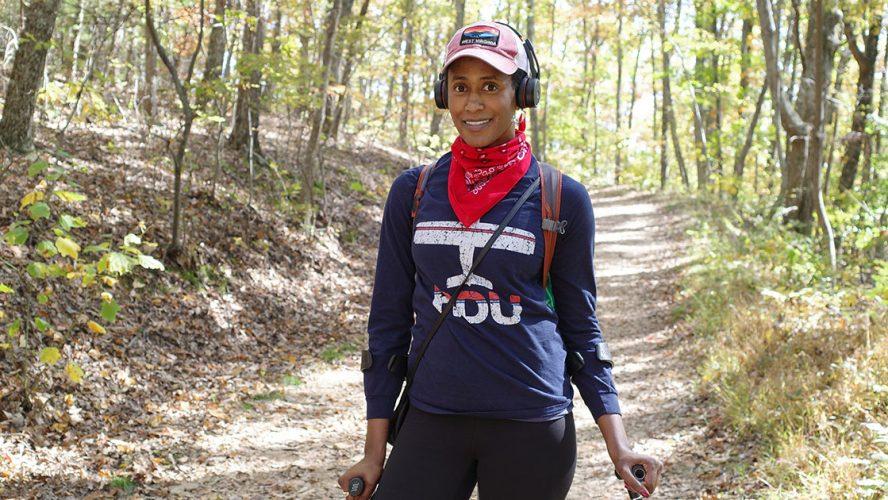
- Challenging Stereotypes: Extreme sports have long been associated with a hyper-masculine image, often celebrated through displays of aggression and dominance. However, a growing movement within the community is actively working to dismantle these outdated stereotypes. By promoting inclusivity, athletes are redefining what it means to be ‘extreme’—it’s not about brute strength, but rather the courage to be authentic and respectful. This shift is creating a more welcoming environment for all genders, encouraging participation based on passion and skill rather than conforming to a singular, often toxic, narrative.
- Fostering a Supportive Community: The extreme sports community is increasingly focused on cultivating a culture of support and mutual respect. Initiatives such as gender-neutral competitions, mentorship programs, and inclusive media representation are paving the way for a diverse range of voices to be heard and celebrated. By highlighting stories of athletes who defy traditional gender norms and by actively addressing issues of discrimination, the community is embracing a more progressive and harmonious future. This transformation not only enriches the sports themselves but also inspires individuals to pursue their passions without fear of judgment.
Harnessing the Positive Aspects of Extreme Sports for Personal Growth
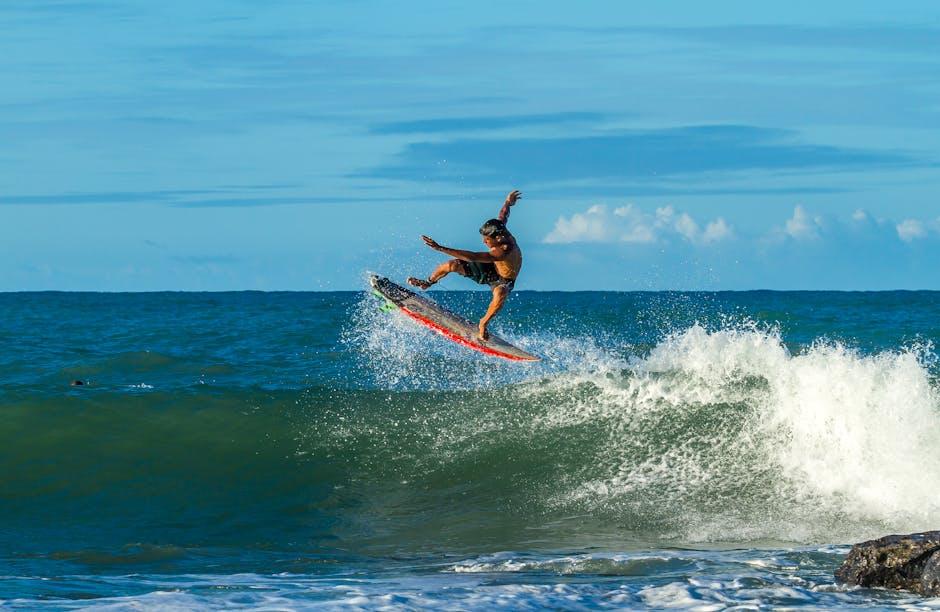
While the thrill of extreme sports often garners a reputation for cultivating a culture of competition and aggression, there are profound positive elements that can be leveraged for personal development. These activities challenge individuals to confront and overcome their fears, pushing their physical and mental limits. By doing so, participants can experience substantial growth in self-confidence, resilience, and adaptability. Extreme sports teach valuable life skills that transcend the boundaries of the sport itself, including:
- Self-discipline: Mastering complex skills and maintaining peak physical condition requires a high degree of personal discipline.
- Focus and concentration: Successfully navigating dangerous environments demands intense mental focus and situational awareness.
- Stress management: Regular exposure to high-pressure situations helps individuals develop effective coping mechanisms for stress.
- Teamwork: Many extreme sports involve collaboration, fostering a sense of camaraderie and mutual respect among participants.
By shifting the narrative towards these positive aspects, extreme sports can be seen as a conduit for personal growth, encouraging participants to cultivate traits that are beneficial both on and off the field.
Fostering a Culture of Support and Safety in Extreme Sports Communities
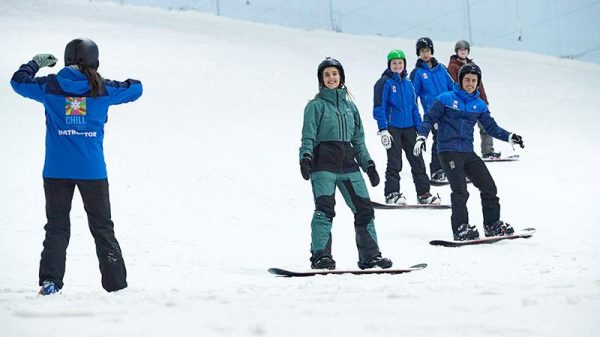
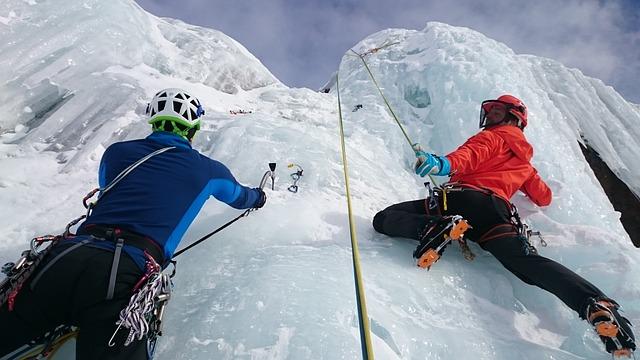
In extreme sports communities, establishing a culture of support and safety is crucial for fostering an environment where all participants feel valued and secure. This can be achieved through a combination of community-driven initiatives and individual efforts aimed at promoting inclusivity and mutual respect. By encouraging open dialogue and peer support, these communities can challenge stereotypes and create a space where everyone, regardless of gender, can thrive.
- Encourage Open Communication: Create platforms for athletes to share their experiences and discuss challenges without fear of judgment.
- Promote Inclusivity: Implement policies that welcome diverse participants and ensure representation at all levels of the sport.
- Provide Mentorship Programs: Establish mentorship opportunities where seasoned athletes guide newcomers, offering advice and encouragement.
- Emphasize Safety: Prioritize safety training and workshops to ensure that all participants are well-prepared and confident in their skills.
By integrating these practices, extreme sports communities can not only mitigate the potential for toxic behaviors but also build a supportive network that celebrates the achievements of all its members. This proactive approach helps dismantle traditional barriers and paves the way for a more positive and inclusive sporting culture.