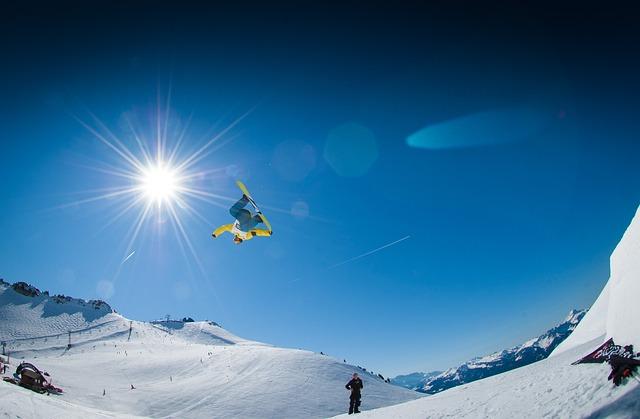
As winter blankets the mountains with a fresh layer of snow, ski resorts transform into bustling hubs of activity, attracting both skiers and snowboarders eager to carve their paths down the slopes. With the rising popularity of snowboarding, a lively debate has emerged: should snowboarders pay more for using ski resorts? This question invites us to explore the intricacies of resort management, the economics of winter sports, and the evolving dynamics between skiers and snowboarders. In this article, we will delve into the arguments on both sides, examining the impact of snowboarding on resort infrastructure and maintenance, while maintaining an optimistic outlook on finding a harmonious balance that benefits all winter enthusiasts. Through a thoughtful analysis, we aim to uncover potential solutions that not only address financial considerations but also foster a spirit of inclusivity and shared enjoyment on the slopes.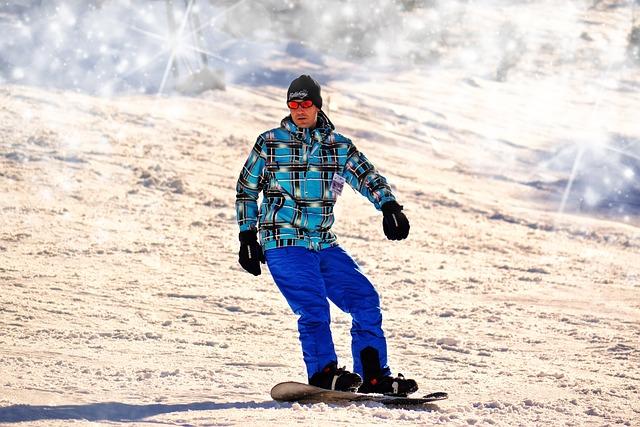
Understanding the Economic Impact of Snowboarding on Ski Resorts
- Increased Revenue Streams: Snowboarding has undeniably opened up new avenues for ski resorts to generate revenue. The addition of snowboarders has expanded the market, drawing in a younger and more diverse crowd. This influx often results in higher sales of lift tickets, rentals, and merchandise, benefiting the resorts economically.
- Diversification of Services: Catering to snowboarders encourages resorts to diversify their offerings. This includes developing terrain parks and half-pipes, which not only attract snowboarders but also skiers interested in freestyle skiing. Such diversification can lead to increased visitor satisfaction and repeat business.
Operational Considerations
The rise of snowboarding has prompted ski resorts to reconsider their operational strategies. Enhanced safety measures, specialized equipment rentals, and tailored lessons are now essential components of a resort’s service offering. While these adaptations require investment, they also open up opportunities for upselling and package deals. By creating an inclusive environment for both skiers and snowboarders, resorts can cultivate a loyal customer base, fostering long-term economic sustainability.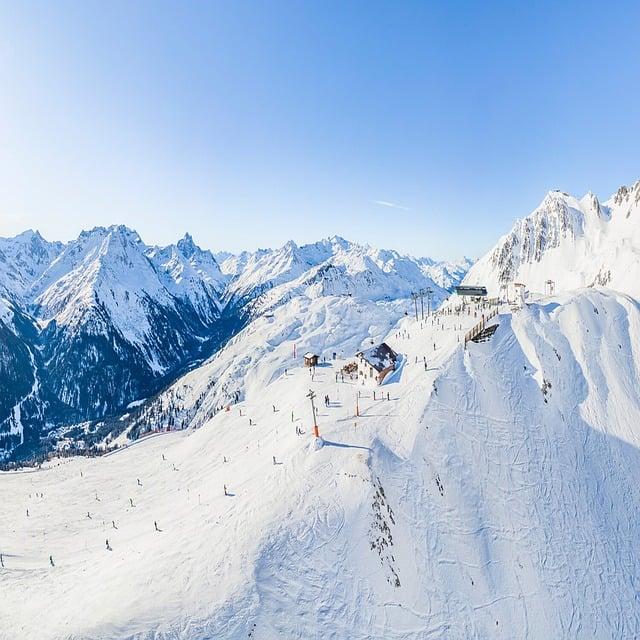
Balancing Fair Pricing: Ensuring Equity Between Skiers and Snowboarders
In the realm of winter sports, pricing strategies play a crucial role in fostering a harmonious environment for both skiers and snowboarders. Striking a balance in pricing can be achieved by considering various factors that affect the use of ski resorts. Here are some key points to consider:
- Infrastructure Usage: While both skiers and snowboarders use the same slopes, the wear and tear on the terrain may differ. Analyzing the impact each group has on the facilities can help determine fair pricing models.
- Demand and Supply: Understanding the demand for skiing versus snowboarding can guide resort pricing. By assessing peak times and the popularity of each sport, resorts can create flexible pricing structures that cater to different user groups.
- Inclusive Packages: Offering packages that combine lessons, rentals, and lift passes can appeal to both beginners and seasoned enthusiasts. Such packages can be tailored to ensure equitable access and enjoyment for all participants.
By considering these factors, ski resorts can craft pricing strategies that not only ensure fairness but also enhance the overall experience for all winter sports lovers.
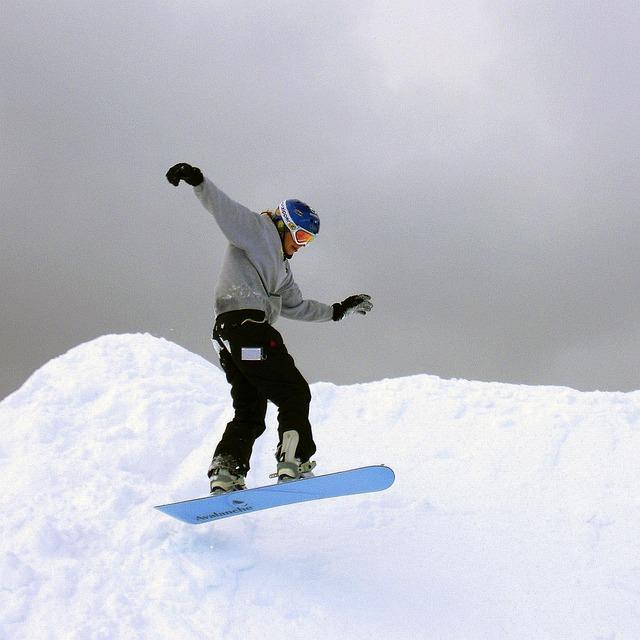
Fostering a Collaborative Environment for Winter Sports Enthusiasts
Embracing the diversity of winter sports enthusiasts can lead to a more harmonious and inclusive experience on the slopes. Rather than viewing snowboarders and skiers as separate entities, ski resorts can foster a collaborative environment by implementing policies and initiatives that benefit all parties. Here are some ways to achieve this:
- Unified Passes: Offer passes that cater to both skiers and snowboarders, promoting shared use of facilities and amenities.
- Mixed-Use Trails: Designate trails that encourage both skiing and snowboarding, allowing for interaction and mutual enjoyment.
- Joint Events: Host events and competitions that bring together snowboarders and skiers, celebrating the skills and talents of both groups.
- Shared Learning Opportunities: Provide workshops and classes that appeal to both disciplines, encouraging cross-training and appreciation.
By focusing on what unites us rather than what divides us, ski resorts can create an environment where everyone feels valued and respected. This approach not only enhances the experience for all participants but also fosters a community of winter sports enthusiasts who support and inspire one another.
Encouraging Sustainable Practices and Inclusive Resort Policies
In the quest to foster a more environmentally conscious and welcoming atmosphere, ski resorts have a unique opportunity to set benchmarks through sustainable practices and inclusive policies. By incorporating green initiatives such as renewable energy usage, water conservation systems, and waste reduction programs, resorts can minimize their environmental impact while enhancing the overall experience for all visitors. Snowboarders, skiers, and other winter sports enthusiasts can be encouraged to participate in these efforts through education and incentives, fostering a community committed to protecting the natural beauty they enjoy.
- Eco-friendly infrastructure: Resorts can invest in solar panels, efficient snowmaking systems, and sustainable building materials to reduce their carbon footprint.
- Community engagement: By hosting workshops and events focused on sustainability, resorts can educate guests on eco-friendly practices both on and off the slopes.
- Inclusive pricing models: Rather than charging different rates based on the type of equipment used, resorts could offer discounts or rewards for guests who engage in sustainable behaviors, such as carpooling or using reusable containers.
By adopting these practices, ski resorts can lead the way in promoting a culture of responsibility and inclusion, ensuring that the magic of the mountains is preserved for future generations.


