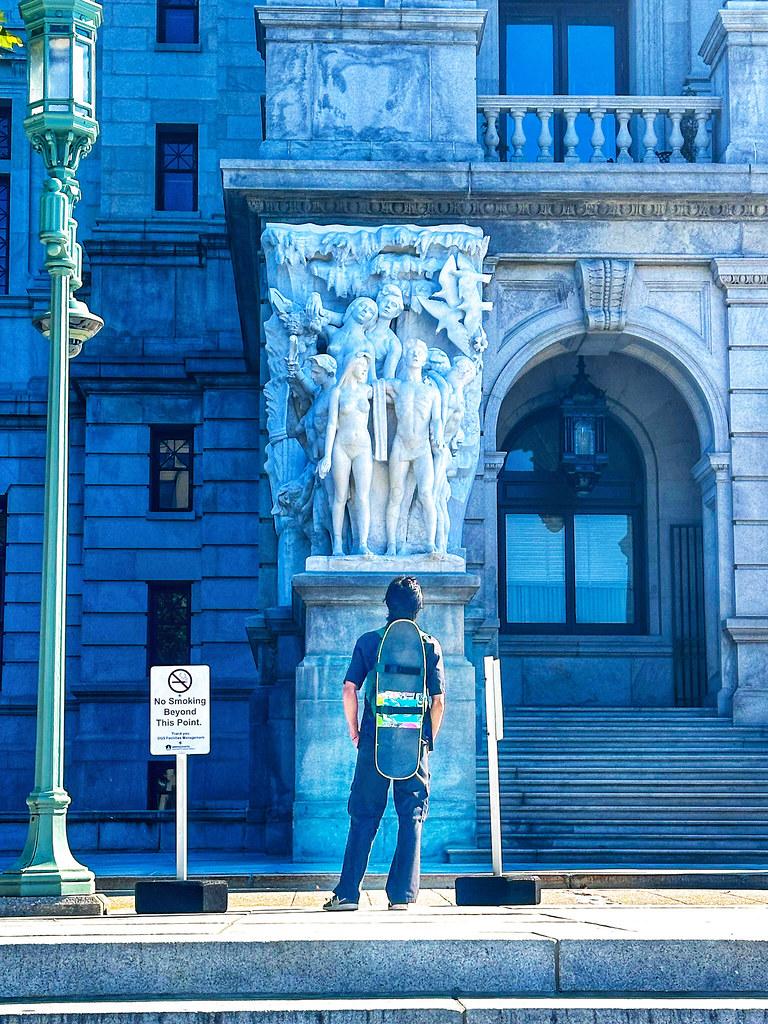
Skateboarding, often dismissed as a mere pastime for rebellious youth or a niche extreme sport, transcends these simplistic categorizations to embody a rich and multifaceted culture. Beyond its athletic demands and competitive nature, skateboarding represents a dynamic form of self-expression and community building. Rooted in creativity and innovation, it fosters a unique lifestyle that influences art, fashion, and social movements worldwide. This article delves into the reasons why skateboarding is more than just a sport, exploring its cultural significance, the sense of identity it provides to its practitioners, and its role in shaping urban landscapes and societal norms. By examining these dimensions, we gain a deeper understanding of how skateboarding has evolved into a powerful cultural phenomenon with enduring impact.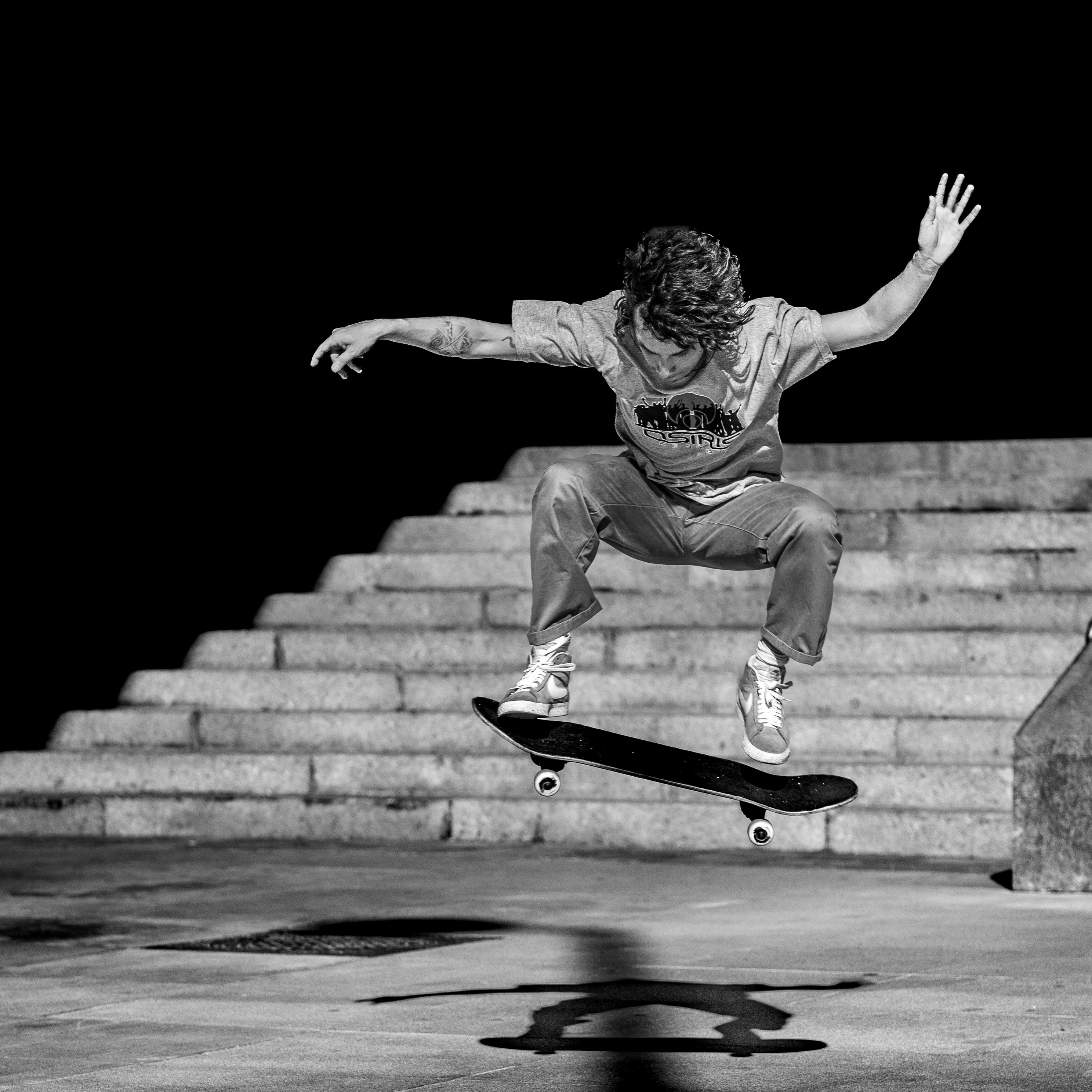
Cultural Impact and Community Building in Skateboarding
Skateboarding has transcended its roots as a recreational activity to become a powerful force for cultural expression and community cohesion. This unique culture thrives on the principles of creativity, individuality, and inclusivity. Skateparks are more than just venues for tricks; they are melting pots where diverse groups of people come together, fostering a sense of belonging and shared purpose. The spirit of skateboarding encourages skaters to push boundaries, both in their skills and in their communities, leading to a vibrant subculture that celebrates diversity and innovation.
Key elements of skateboarding’s cultural impact include:
- Artistic Expression: Skateboarding is closely linked with art and music, influencing everything from fashion to street art.
- Inclusivity and Diversity: The sport welcomes people from all backgrounds, promoting acceptance and unity.
- Community Engagement: Skateboarding events and initiatives often focus on community building and social change.
These elements not only enrich the lives of individuals but also strengthen communities, making skateboarding a vital cultural phenomenon.

Skateboarding as a Catalyst for Personal Growth and Creativity
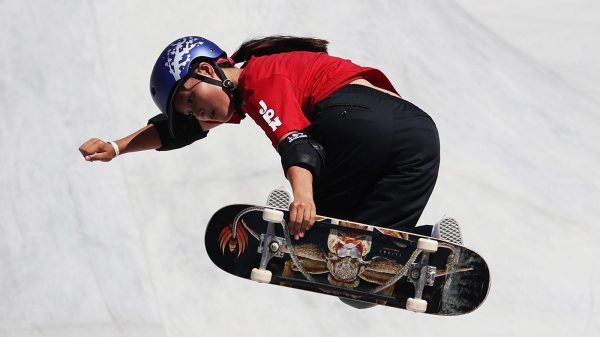
Skateboarding has the remarkable ability to ignite both personal growth and creativity in individuals. At its core, it demands a unique blend of discipline and freedom, encouraging skaters to push their limits while exploring new terrains. This sport teaches resilience through the endless cycle of trial and error, where every fall is a lesson in balance and perseverance. Skateboarding fosters independence, allowing individuals to set personal goals and achieve them at their own pace. It nurtures a mindset where failure is not feared but embraced as a stepping stone towards improvement.
- Problem-solving skills: Skaters constantly analyze their environment, finding innovative ways to navigate obstacles.
- Self-expression: Through tricks and styles, skateboarding becomes a canvas for personal expression.
- Community connection: The shared passion for skating creates a supportive network that encourages collaboration and growth.
Moreover, the creative aspect of skateboarding is evident in the way skaters interact with their surroundings. Urban landscapes transform into playgrounds where stairs, railings, and ramps become opportunities for inventive maneuvers. This imaginative engagement with the environment not only sharpens creativity but also enhances spatial awareness. Skateboarding challenges conventional perspectives, urging individuals to see the world through a lens of potential and creativity, ultimately fostering a mindset that transcends the boundaries of the sport itself.
The Role of Skateboarding in Urban Development and Public Spaces
Skateboarding has transcended its roots as a countercultural movement to become a pivotal element in urban development and the reimagining of public spaces. Cities around the globe are recognizing the potential of skateparks and skateboard-friendly environments as catalysts for community engagement and economic revitalization. By integrating skateboarding into urban planning, municipalities are not only fostering inclusivity and creativity but also encouraging physical activity among youth and adults alike.
Key benefits of incorporating skateboarding into urban spaces include:
- Community Building: Skateparks serve as vibrant social hubs where people from diverse backgrounds come together, fostering a sense of community and shared purpose.
- Economic Impact: Skateboarding can drive local economies by attracting tourism, boosting retail sales, and creating job opportunities in related industries.
- Urban Aesthetics: Innovative skatepark designs can enhance the visual appeal of urban areas, turning neglected spaces into attractive destinations.
- Environmental Benefits: By promoting the use of public spaces, skateboarding encourages sustainable urban living and reduces the need for private transportation.
Recommendations for Supporting and Promoting Skateboarding as a Lifestyle
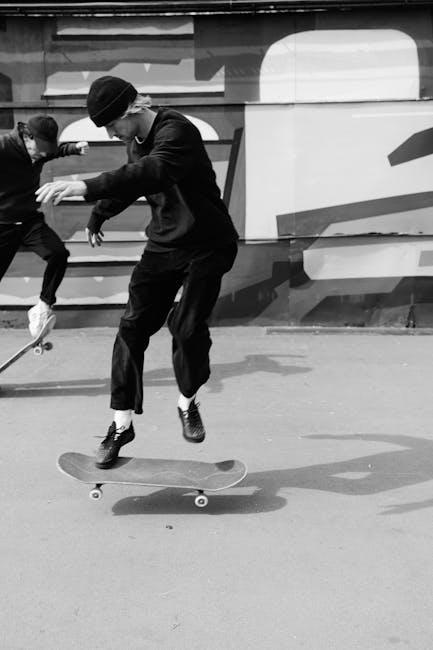
Embracing skateboarding as a lifestyle involves more than just mastering tricks; it requires cultivating a community and nurturing a culture that celebrates creativity, freedom, and individuality. To effectively support and promote this vibrant way of life, consider implementing the following strategies:
- Community Engagement: Organize local events such as skate jams, workshops, and competitions to bring enthusiasts together. These gatherings foster a sense of belonging and provide platforms for skaters to showcase their skills and share their passion.
- Infrastructure Development: Advocate for the creation and maintenance of public skate parks and facilities. Safe and accessible spaces are crucial for encouraging participation and progression in skateboarding.
- Education and Awareness: Implement educational programs in schools and community centers that highlight the cultural significance and health benefits of skateboarding. This can help dispel misconceptions and encourage new participants.
- Support Local Talent: Promote local skaters and brands through social media and community networks. By celebrating homegrown talent, you create role models for aspiring skaters and boost local economies.
By following these recommendations, we can ensure that skateboarding is not just seen as a sport, but as a dynamic and inclusive lifestyle that enriches communities and empowers individuals.