In recent years, the world of skateboarding has witnessed a transformative shift, marked by the dynamic rise of women within a culture historically dominated by men. This evolution is not merely a trend but a profound change that reflects broader societal movements towards inclusivity and gender equality. As women continue to carve out their space in this once male-centric domain, they bring fresh perspectives, innovative styles, and a redefined sense of community. The rise of women in skateboarding culture is a testament to their resilience and creativity, challenging stereotypes and breaking barriers with every trick and turn. This article explores the factors driving this movement, the impact it has on the sport, and the trailblazing figures leading the charge, offering an authoritative analysis of a cultural revolution that is reshaping the landscape of skateboarding today.
Empowerment Through Skateboarding Exploring the Impact of Female Role Models
The emergence of female role models in skateboarding has significantly reshaped the sport, encouraging more women and girls to take up skateboarding and make their mark. Female skaters, once sidelined in a predominantly male-dominated arena, are now at the forefront, demonstrating that the skateboarding culture is not just inclusive but also thriving with diversity. These trailblazers not only inspire through their skills but also empower others by breaking stereotypes and challenging societal norms. Their influence extends beyond the skatepark, impacting fashion, media, and community initiatives, fostering a new generation of empowered female skateboarders.
Role models like Lizzie Armanto, Leticia Bufoni, and Sky Brown have become icons of empowerment, showcasing resilience and passion. Their presence in competitions and social media platforms serves as a powerful message that women belong in skateboarding, and they can excel at it. This shift is evident in various aspects, including:
- Increased female participation in major skateboarding events.
- More sponsorship opportunities for female skateboarders.
- Greater representation in skateboarding media and advertising.
- Creation of female-focused skateboarding communities and events.
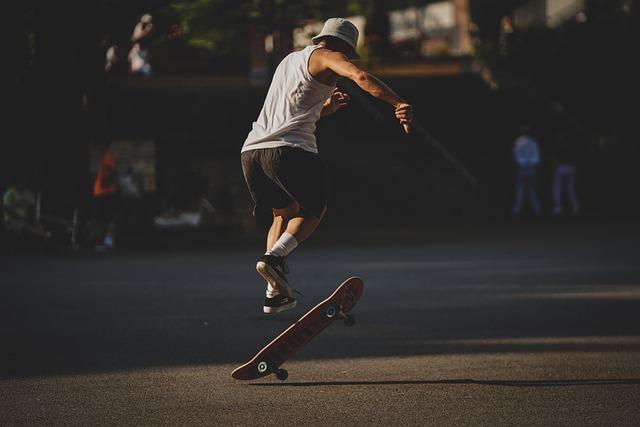
Breaking Barriers Analyzing the Growth of Female Skateboarding Competitions
The transformation within skateboarding culture has been monumental, especially with the surge in female participation. Traditionally perceived as a male-dominated sport, skateboarding has witnessed an inspiring evolution. Women are not only participating in greater numbers but are also carving out spaces for themselves in competitions that were once exclusively male. This shift has been fueled by increased visibility, sponsorship opportunities, and the breaking down of societal norms.
Several factors contribute to this remarkable growth:
- Increased Media Coverage: Platforms are now dedicated to showcasing female talent, inspiring the next generation of skateboarders.
- Supportive Community Networks: Women-led skateboarding groups and organizations offer mentorship and resources, fostering a sense of belonging.
- Inclusive Competitions: Major skateboarding events now feature dedicated female categories, promoting equality and recognition.
These elements collectively dismantle barriers, creating a more inclusive environment where female skateboarders can thrive and influence the sport’s future trajectory.

Inclusivity and Diversity How Women are Reshaping Skateboarding Communities
In recent years, the skateboarding landscape has undergone a transformative shift, driven by a surge of women who are not only participating but thriving in the sport. This evolution is significantly contributing to the creation of more inclusive and diverse skateboarding communities. Women skaters are breaking down barriers and challenging traditional norms, fostering environments where diversity is celebrated. Through grassroots movements and community-led initiatives, they are making skateboarding accessible to all, regardless of gender or background.
Key elements reshaping these communities include:
- Inclusive Events: Women-led skateboarding events are popping up globally, providing safe and supportive spaces for female skaters to connect and compete.
- Mentorship Programs: Seasoned female skateboarders are mentoring newcomers, sharing skills and knowledge to build confidence and proficiency in the sport.
- Social Media Influence: Platforms like Instagram and TikTok are amplifying the voices of female skaters, showcasing diverse talent and inspiring the next generation.
These efforts are not only enriching the skateboarding culture but are also establishing a legacy of empowerment and equality. By prioritizing inclusivity, women are paving the way for a more vibrant and dynamic skateboarding future.
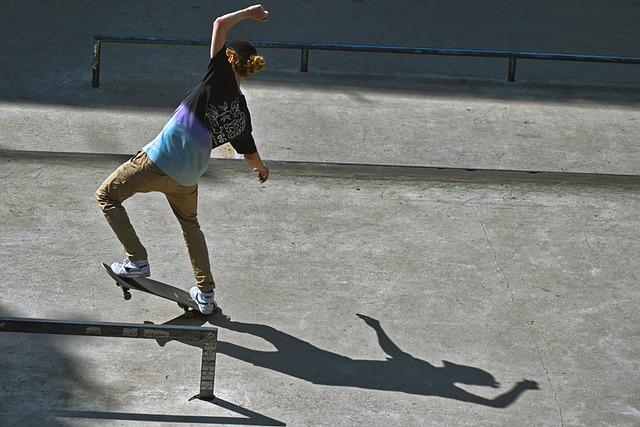
Fostering Future Talent Strategies to Support Young Female Skateboarders
To ensure that the momentum of women in skateboarding culture continues to build, it is imperative to establish strategies that support young female skateboarders. This can be achieved through a combination of community initiatives, mentorship programs, and enhanced visibility of female role models. Community skateboarding events designed specifically for young girls can create safe spaces where they can learn, practice, and connect with peers. By fostering an inclusive environment, these events can break down the barriers that often discourage young girls from pursuing skateboarding.
- Mentorship programs: Pairing young female skateboarders with experienced mentors can provide guidance, encouragement, and technical skill development. This relationship can be instrumental in boosting confidence and resilience.
- Visibility of role models: Highlighting successful female skateboarders in media and local communities can inspire the next generation. Featuring their stories and achievements in skateboarding magazines, social media platforms, and events can motivate young girls to pursue their passion.
- Access to resources: Providing access to quality equipment and safe practice facilities is essential. Collaborations with local skate shops and community centers can help make skateboarding more accessible and affordable for young girls.
Implementing these strategies can pave the way for a more diverse and equitable skateboarding culture, encouraging young female skateboarders to thrive and redefine the boundaries of the sport.