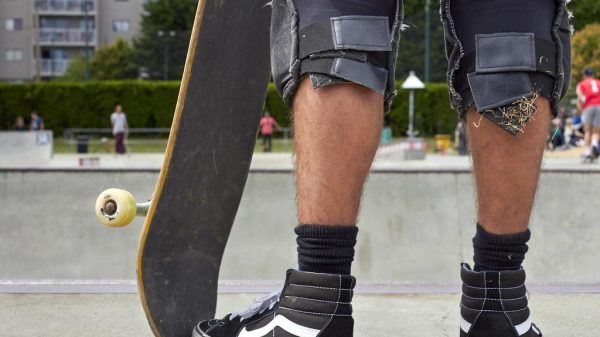
In recent years, the world of extreme sports has surged in popularity, captivating thrill-seekers of all ages with its promise of adrenaline-pumping adventure and breathtaking feats. From skydiving and rock climbing to snowboarding and BMX racing, these activities offer participants the chance to push their limits and experience the extraordinary. However, as the allure of these high-octane pursuits grows, so does the debate over whether age restrictions should be implemented to ensure the safety and well-being of participants. This article aims to explore the various perspectives surrounding age limits in extreme sports, highlighting the potential benefits of such regulations while celebrating the spirit of adventure and resilience that defines this exhilarating realm. Through a balanced examination of safety considerations, developmental factors, and personal freedom, we hope to provide a comprehensive understanding of how age limits could shape the future of extreme sports, fostering a safer and more inclusive environment for all enthusiasts.
Evaluating Age Restrictions to Enhance Safety in Extreme Sports
When discussing the implementation of age restrictions in extreme sports, the focus is often on enhancing safety while maintaining the exhilarating spirit of these activities. Age limits can serve as a tool to ensure participants possess the necessary physical and mental maturity to handle the risks involved. By setting appropriate age thresholds, we can potentially reduce the incidence of injuries and fatalities, making extreme sports a safer pursuit for all enthusiasts. However, these limits must be carefully considered to avoid stifling young talent and passion.
Key considerations for establishing age restrictions include:
- Physical Development: Young athletes may not have fully developed muscles and bones, increasing their risk of injury.
- Mental Preparedness: Extreme sports often require quick decision-making and risk assessment, skills that mature with age.
- Supervision and Training: Ensuring that younger participants have access to proper guidance and safety training can mitigate risks.
By addressing these aspects, we can create a balanced approach that respects both the safety and the enthusiasm of extreme sports participants.
Empowering Young Athletes Through Age-Appropriate Challenges
Encouraging young athletes to embrace challenges that are tailored to their developmental stage can ignite a lifelong passion for sports while ensuring their safety and well-being. Age-appropriate challenges in extreme sports help to build confidence and skill gradually, allowing young athletes to enjoy the thrill without unnecessary risks. By fostering an environment where progression is based on skill mastery rather than age alone, we empower these athletes to pursue their passions with both enthusiasm and caution.
- Incremental Skill Development: Gradually increasing the complexity of tasks helps in skill acquisition without overwhelming the young athlete.
- Building Resilience: Overcoming challenges suited to their level encourages perseverance and resilience, critical traits for both sports and life.
- Fostering a Love for the Sport: When challenges are achievable, young athletes are more likely to develop a deep, enduring love for the sport.
- Encouraging Safe Practices: Age-appropriate challenges promote safety as they align with the physical and mental capabilities of young athletes.
Promoting Lifelong Engagement by Implementing Age-Sensitive Guidelines
Establishing a framework for extreme sports that considers the physiological and psychological variations across age groups can be instrumental in fostering a safe and inclusive environment. By creating age-sensitive guidelines, we can ensure that individuals of all ages can enjoy these thrilling activities without compromising their safety or well-being. Here are some key elements to consider when crafting such guidelines:
- Tailored Training Programs: Develop training modules that cater to different age groups, focusing on enhancing skills while minimizing risks. This approach encourages gradual progression and helps participants build confidence.
- Health and Fitness Assessments: Implement routine assessments to evaluate the physical readiness of participants. This not only helps in personalizing the experience but also in preventing injuries.
- Adaptive Equipment: Encourage the use of gear specifically designed for various age brackets. This ensures comfort and safety, allowing for a more enjoyable experience.
By integrating these considerations into the structure of extreme sports, we can maintain a vibrant community where individuals continue to engage actively throughout their lives. This not only enhances personal fulfillment but also contributes to a healthier society.
Harnessing Experience: The Role of Mentorship in Extreme Sports for All Ages
In the thrilling world of extreme sports, mentorship serves as a pivotal bridge between ambition and achievement, transcending age boundaries. Experienced mentors provide invaluable insights, helping individuals of all ages navigate the complexities and challenges of these high-adrenaline activities. Through personalized guidance, they instill confidence, ensuring that each participant develops a robust skill set and an acute awareness of safety protocols. This mentorship not only enhances performance but also fosters a deep sense of community and mutual respect among enthusiasts, regardless of age.
- Customized Training: Mentors tailor their coaching to suit the unique needs and goals of each individual, whether they are a young novice or an older enthusiast.
- Risk Management: By imparting critical safety knowledge, mentors equip participants to assess and mitigate risks effectively.
- Encouragement and Support: Mentors provide a source of inspiration, encouraging perseverance and resilience in the face of challenges.
- Skill Enhancement: Participants benefit from the mentors’ wealth of experience, gaining technical skills and strategic insights that might take years to learn independently.
Mentorship in extreme sports acts as a guiding light, empowering individuals to push boundaries safely and confidently, irrespective of their age. This dynamic interaction not only enriches the participants’ experience but also strengthens the entire extreme sports community, making it more inclusive and vibrant.