Surfing competitions have long captured the imagination of spectators and participants alike, offering a thrilling blend of athleticism, artistry, and the raw power of nature. As the sport continues to grow in popularity, a fascinating debate has emerged: should surfing competitions be restricted to specific wave conditions? This question invites us to explore the delicate balance between maintaining fairness and embracing the unpredictable beauty of the ocean. By examining the potential benefits and challenges of imposing such restrictions, we can better understand how they might shape the future of competitive surfing. In this article, we will delve into the implications of regulating wave conditions, considering how it might enhance the sport’s accessibility, safety, and excitement for all involved. Join us as we navigate this compelling topic with an optimistic lens, envisioning a future where surfing competitions continue to inspire and unite communities around the world.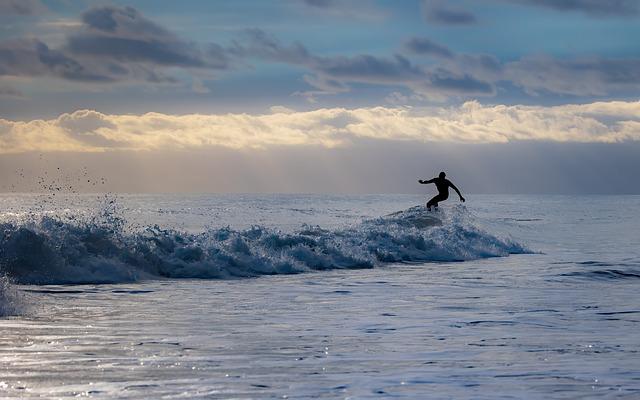
Understanding the Dynamics of Wave Conditions in Surfing Competitions
When discussing the parameters of competitive surfing, it’s essential to delve into the diverse dynamics of wave conditions that athletes face. Each competition venue, from the colossal barrels of Pipeline to the playful peaks of Trestles, offers unique challenges that test surfers’ skills and adaptability. By understanding the characteristics of various wave conditions, competitions can be designed to both challenge the surfers and provide a captivating spectacle for spectators. Some key aspects to consider include:
- Wave Size: Larger waves often demand advanced skills, pushing surfers to exhibit more daring maneuvers.
- Wave Shape: Perfectly formed waves allow for cleaner rides and more dynamic performances.
- Wind Conditions: Offshore winds can enhance wave shape, while onshore winds might make conditions more challenging.
- Tide Levels: Changing tides can significantly alter the surfing environment, affecting wave frequency and power.
By strategically selecting competition locations and dates that align with optimal wave conditions, organizers can ensure a fair and thrilling contest. Moreover, embracing a variety of conditions can showcase the versatility and resilience of the surfers, making the sport more inclusive and exciting. With the right balance, surfing competitions can thrive, drawing in audiences and fostering a deeper appreciation for the artistry and athleticism of the sport.
Enhancing Fairness and Safety Through Optimal Wave Selection
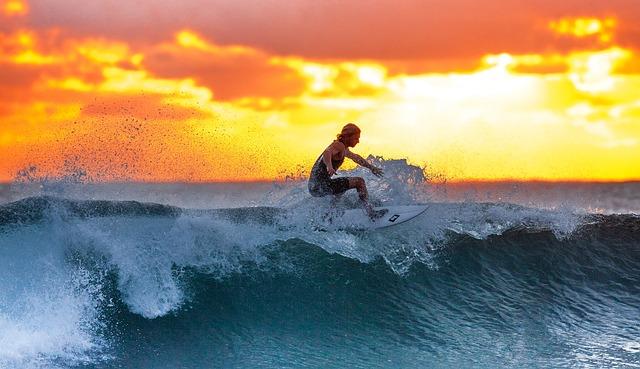
By carefully selecting wave conditions for surfing competitions, we can significantly enhance both fairness and safety for all participants. Optimal wave selection ensures that every surfer competes under similar circumstances, reducing the influence of unpredictable elements. This approach can level the playing field, allowing the most skilled athletes to shine based on talent rather than chance. Moreover, it can minimize risks associated with adverse wave conditions, protecting surfers from potential injuries.
- Consistency in Competition: Selecting specific wave conditions can ensure that each heat offers comparable opportunities for scoring, fostering a more equitable competition.
- Injury Prevention: By avoiding extreme or inconsistent wave conditions, competitions can significantly reduce the risk of accidents and injuries, ensuring a safer environment for athletes.
- Environmental Awareness: Respecting and understanding local wave patterns and conditions can also promote a greater connection with the natural environment, encouraging sustainable practices in the sport.
Ultimately, embracing strategic wave selection can transform surfing competitions into more inclusive and secure events, benefiting athletes, organizers, and fans alike. By focusing on fairness and safety, the surfing community can foster a more positive and progressive sporting culture.
Balancing Competitive Spirit with Environmental Stewardship
Surfing competitions have long been a celebration of human skill and the natural power of the ocean. However, the quest for the perfect wave often comes at an environmental cost. By restricting events to specific wave conditions, we can not only ensure the safety and fairness of the competition but also minimize the ecological footprint of these gatherings. This approach encourages a more harmonious interaction with our oceans, reducing the need for artificial wave generation or excessive travel to remote locations. It also fosters a deeper respect for the natural rhythms of the sea, aligning the competitive spirit with a commitment to sustainability.
Here are some potential benefits of aligning surfing competitions with environmental stewardship:
- Reduced Carbon Footprint: By selecting locations that naturally offer the required wave conditions, there’s less need for travel and artificial enhancements.
- Conservation Awareness: Events can become platforms for educating participants and audiences about marine conservation efforts.
- Local Community Engagement: Hosting competitions in areas with existing suitable conditions can boost local economies and promote sustainable tourism.
- Safety and Fairness: Ensuring competitions are held in consistent conditions can lead to safer events and a more level playing field for all competitors.
By thoughtfully choosing when and where to hold surfing competitions, we not only protect our cherished ocean environments but also inspire a new generation of surfers to prioritize environmental stewardship alongside their passion for the sport.
Recommendations for Adaptive Surfing Competition Guidelines
To ensure fairness and inclusivity in adaptive surfing competitions, it’s essential to develop guidelines that accommodate a variety of wave conditions while also considering the unique needs of adaptive surfers. Flexibility is key; rather than restricting events to specific wave conditions, organizers can adopt a range of criteria that allow for diverse surfing environments. This approach not only enhances the challenge but also reflects the unpredictable nature of the sport, providing a more authentic experience for competitors.
- Wave Diversity: Encourage events to take place in different types of waves, from mellow beach breaks to more powerful reef breaks, allowing adaptive surfers to showcase their skills across various scenarios.
- Adaptive Equipment: Ensure that rules accommodate specialized equipment that may be necessary for different wave conditions, supporting surfers in maximizing their performance.
- Safety Protocols: Implement comprehensive safety measures that are adaptable to changing wave conditions, ensuring the well-being of all participants.
- Judging Criteria: Develop judging standards that recognize and reward the adaptability and creativity of surfers in navigating different wave challenges.
By embracing a flexible approach to wave conditions, adaptive surfing competitions can become more inclusive and exciting, offering a platform for athletes to demonstrate their resilience and skill in the face of nature’s unpredictability.