As the snowboarding-locations-in-russia/” title=”Discover the Best Snowboarding Locations in Russia”>Winter Olympics continue to captivate audiences worldwide with their thrilling displays of athletic prowess and icy elegance, a spirited debate has emerged among sports enthusiasts and organizers alike: should skiing and snowboarding be separated into distinct categories within the Games? This discussion invites us to explore the unique characteristics and shared values of these two exhilarating sports. By examining the potential benefits and challenges of such a separation, we can uncover new opportunities to enhance the Olympic experience for athletes and spectators alike. Join us as we delve into this intriguing question, fostering a deeper appreciation for the diverse tapestry of winter sports and the exciting possibilities that lie ahead for the Winter Olympics.
Evaluating the Unique Challenges and Benefits of Separation
When contemplating the division of skiing and snowboarding in the Winter Olympics, it’s essential to consider the distinct challenges and benefits that such a separation could bring. On the one hand, skiing and snowboarding are sports with unique histories, cultures, and techniques. Separating them could allow for more specialized events that highlight the skills and artistry of each discipline, providing athletes with an opportunity to shine in their respective fields. This could also lead to a more focused approach in training and competition, encouraging innovations and new techniques tailored specifically for each sport.
- Increased Representation: More events could mean more athletes getting the chance to compete, showcasing a broader range of talent.
- Enhanced Viewer Experience: Spectators might enjoy a more curated viewing experience, with events specifically designed to highlight the intricacies of each sport.
- Improved Safety: With each sport having its own space, safety protocols can be better tailored to the needs of each discipline, potentially reducing the risk of accidents.
However, it’s also important to recognize the potential challenges involved. A separation might lead to logistical complexities and require additional resources, including separate venues and specialized equipment. Moreover, some fans and athletes enjoy the camaraderie and shared experience that comes from having both sports under one umbrella, fostering a sense of community and mutual respect. Ultimately, the decision should be driven by a careful evaluation of these factors, aiming to enhance the Olympic experience for athletes, spectators, and organizers alike.
Promoting Fair Competition and Athlete Safety in Winter Sports
To ensure fair competition and enhance athlete safety in winter sports, it’s crucial to consider the unique demands and challenges each discipline presents. Skiing and snowboarding, while both rooted in navigating snowy terrains, require distinct skill sets, equipment, and techniques. Separating these sports in the Winter Olympics could lead to more tailored safety protocols and training regimens, potentially reducing injury risks and allowing athletes to focus more intently on their specific disciplines.
- Specialized Training: Athletes could benefit from training programs designed specifically for their sport, enhancing performance and safety.
- Equipment Innovation: Manufacturers might develop more specialized gear, improving athlete safety and performance.
- Focus on Development: Young athletes can dedicate their efforts to mastering one discipline, potentially leading to higher levels of achievement.
By separating skiing and snowboarding, the Olympic Committee could create an environment that not only celebrates the unique attributes of each sport but also prioritizes the wellbeing and success of its athletes.
Designing Inclusive and Engaging Experiences for Spectators
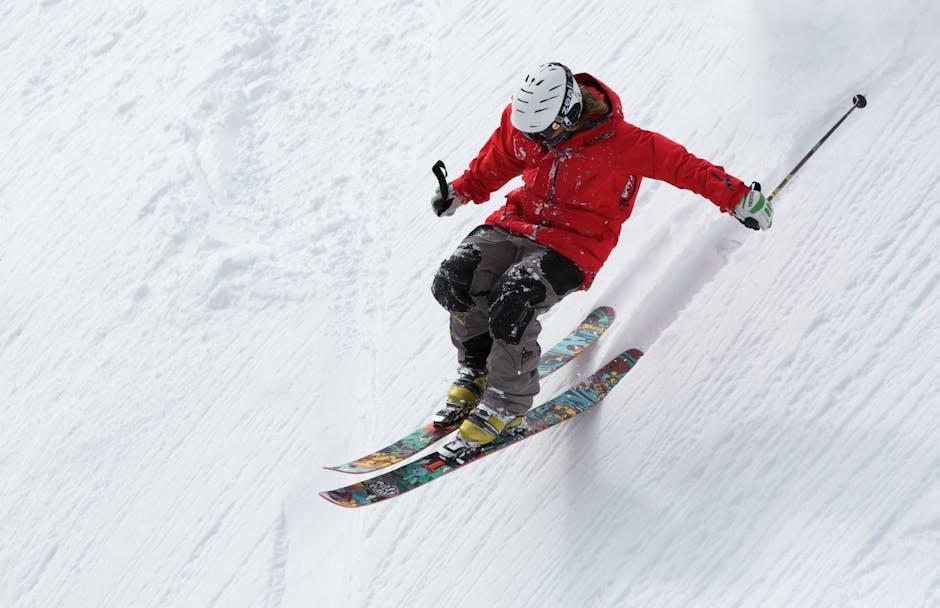
In the quest to create inclusive and engaging experiences for spectators at the Winter Olympics, it’s essential to consider the unique ways in which skiing and snowboarding can captivate audiences. While both sports share a snowy stage, they offer distinct thrills that appeal to diverse fans. By maintaining their separation, event organizers can tailor experiences that highlight the unique aspects of each sport, drawing in spectators with specialized interests and fostering a deeper appreciation for the athletic prowess on display. This approach can also allow for better-focused storytelling, engaging spectators with the rich history and culture unique to each discipline.
To enhance the spectator experience, consider implementing strategies such as:
- Interactive Viewing Zones: Create areas where fans can engage with the sport through virtual reality or augmented reality experiences, offering a taste of the action on the slopes.
- Themed Festivals: Host festivals that celebrate the culture and lifestyle associated with skiing and snowboarding, complete with live music, food stalls, and athlete meet-and-greets.
- Educational Workshops: Provide sessions that educate spectators on the technical aspects of each sport, enhancing their understanding and appreciation.
By leveraging these strategies, the Winter Olympics can not only celebrate the individual brilliance of skiing and snowboarding but also craft an inclusive atmosphere that captivates a global audience.
Fostering Growth and Innovation in Skiing and Snowboarding Events
In the pursuit of enhancing the experience and appeal of winter sports, fostering growth and innovation within skiing and snowboarding events can be pivotal. By maintaining a unified platform, both disciplines can benefit from shared technological advancements and cross-disciplinary creativity. Here are some ways to achieve this:
- Collaborative Training Programs: Implementing joint training sessions where athletes can learn from each other’s techniques and approaches, promoting a culture of mutual growth.
- Integrated Event Planning: Designing events that allow for a seamless transition between skiing and snowboarding competitions, creating a dynamic and engaging experience for spectators.
- Shared Research and Development: Encouraging innovation by pooling resources for research on equipment and safety gear, ensuring that both sports advance together.
By embracing these strategies, the winter sports community can create an environment that not only respects the unique qualities of each discipline but also capitalizes on their shared strengths, driving the entire field forward.