
In recent decades, the realm of extreme sports has transitioned from the fringes of counterculture to the forefront of mainstream entertainment, driven by a surge in commercialization. This evolution raises critical questions about the impact on the authenticity of these adrenaline-fueled pursuits. As corporate sponsorships, media broadcasts, and lucrative endorsements proliferate, the core values and ethos that once defined extreme sports face unprecedented scrutiny. This article delves into the intricate dynamics of commercialization, examining whether the influx of commercial interests is undermining the genuine spirit of adventure and risk-taking that originally characterized these sports. By exploring the perspectives of athletes, industry experts, and cultural commentators, we aim to unravel the complex relationship between commercial success and the preservation of authenticity in the world of extreme sports.
Impact of Sponsorships and Media on Extreme Sports Authenticity
Sponsorships and media play a pivotal role in shaping the landscape of extreme sports, but their influence is a double-edged sword. On one hand, corporate sponsorships provide essential funding, allowing athletes to pursue their passions full-time, access better training facilities, and participate in global competitions. This financial backing also helps to bring extreme sports to a wider audience, fostering greater appreciation and participation. However, there is a growing concern that these commercial interests may prioritize marketability over the raw, unfiltered essence of the sport.
In many cases, the involvement of media and sponsors leads to the creation of events and spectacles that emphasize entertainment value over genuine athletic achievement. This can manifest in several ways, such as:
- Pressuring athletes to conform to a certain image or style that aligns with a brand’s identity.
- Altering event formats to cater to mainstream audiences, potentially diluting the sport’s original spirit.
- Highlighting certain disciplines over others based on their commercial appeal rather than their significance within the sport.
While commercialization brings undeniable benefits, it’s crucial to strike a balance that preserves the authentic culture and ethos that make extreme sports so compelling.

Cultural Shifts and the Erosion of Core Values in Extreme Sports
In recent years, the landscape of extreme sports has undergone a profound transformation, driven largely by commercialization. This shift has led to a growing concern about the erosion of core values that once defined these activities. Traditionally, extreme sports were celebrated for their spirit of adventure, individualism, and non-conformity. However, as corporate interests increasingly dictate the terms of engagement, the focus has shifted towards profit-driven objectives, often at the expense of authenticity. The ethos of pushing personal boundaries and embracing the natural world is being overshadowed by the demands of sponsorships and televised events.
- Increased commercialization: Sponsorship deals and media contracts now play a significant role in shaping how extreme sports are practiced and perceived.
- Loss of individualism: The focus on marketable personalities and mainstream appeal can dilute the unique, rebellious spirit that originally attracted participants to these sports.
- Environmental impact: Large-scale events often lead to increased environmental degradation, contradicting the outdoor ethics that many extreme sports enthusiasts hold dear.
As extreme sports continue to gain mainstream popularity, there is an urgent need to strike a balance between commercial success and the preservation of their foundational values. Without this balance, the very essence of what makes these sports compelling and transformative may be lost forever.
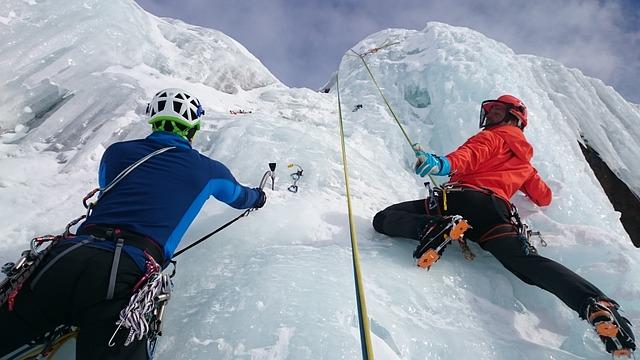
Balancing Commercial Interests with the Spirit of Adventure
In the quest to marry profit with passion, the world of extreme sports often walks a tightrope between maintaining its authentic allure and succumbing to commercial pressures. On one hand, commercialization brings much-needed resources and visibility, allowing athletes to pursue their passions as full-time careers. This influx of funding supports state-of-the-art equipment, professional training, and enhanced safety measures, ultimately broadening the sport’s appeal. However, the commercial tide can also dilute the essence that makes these sports captivating, transforming a raw, exhilarating experience into a polished, spectator-friendly event.
- Accessibility vs. Exclusivity: While commercialization makes extreme sports more accessible, it can sometimes lead to overcrowding, diminishing the sense of adventure.
- Authenticity vs. Safety: The drive to ensure safety through commercial means might strip away the sport’s inherent risks, which are often part of the thrill.
- Professionalism vs. Passion: As sports become more professional, the pure passion and grassroots spirit may be overshadowed by sponsorship obligations and media demands.
Balancing these elements is crucial for preserving the spirit of adventure that draws enthusiasts to extreme sports, ensuring that the heart-pounding excitement remains intact for generations to come.
Strategies for Preserving Authenticity in a Commercialized Environment
Preserving the authenticity of extreme sports in a commercialized landscape requires a delicate balance between tradition and innovation. Key strategies include maintaining a strong connection to the roots of the sport while embracing necessary advancements. This involves engaging with original communities and pioneers who can provide valuable insights and guidance. Brands and event organizers should prioritize collaboration with athletes and enthusiasts who have an authentic connection to the sport, ensuring that their voices are central in decision-making processes.
- Community Engagement: Foster grassroots initiatives that empower local communities and give them a stake in the sport’s evolution.
- Transparency: Ensure all commercial activities are transparent, with clear communication about sponsorships and partnerships.
- Ethical Marketing: Avoid exploiting cultural elements or traditions purely for profit, and instead celebrate them in marketing efforts.
- Education and Storytelling: Use storytelling to educate new audiences about the history and values of the sport, creating a deeper connection.
Additionally, establishing regulatory frameworks that protect the sport’s integrity can be crucial. These frameworks should focus on maintaining fair competition and preventing undue influence from corporate interests. By implementing these strategies, the extreme sports community can navigate commercialization without losing its core identity.