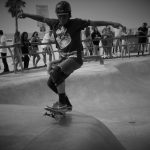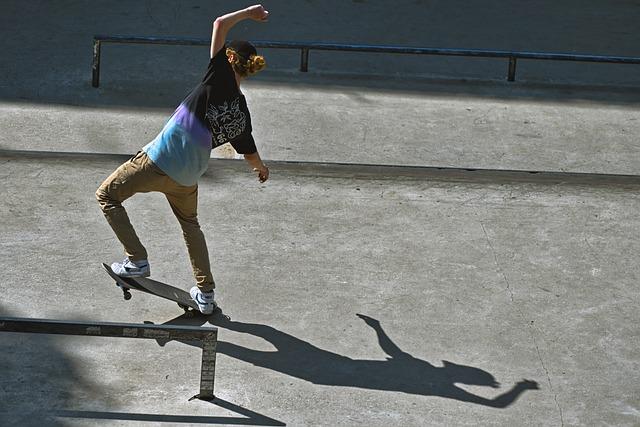
In the vibrant tapestry of urban landscapes, where the hum of city life merges with the rebellious rhythm of wheels on concrete, skateboarding has carved out its own gritty sanctuary. It’s a world where creativity defies gravity, and individuality rides the rails of self-expression. Yet, as the echoes of kickflips and ollies reverberate through iconic skate spots, a new player has entered the scene: tourism. With cameras in hand and dollars to spend, tourists are increasingly drawn to the raw authenticity of skateboarding culture, sparking a clash between genuine passion and commercial exploitation. As skateparks transform into backdrops for Instagram feeds and local legends become reluctant tour guides, we must ask: is the soul of skateboarding being sold to the highest bidder? This article delves into the heart of the matter, exploring whether the essence of this counterculture is being diluted by the very forces it once stood against.
Skateboardings Soul at Stake: Navigating the Tourist Tide
The heart of skateboarding lies in its raw, unfiltered expression—a dance of freedom on concrete canvases. Yet, as tourism extends its reach, the essence of skateboarding culture faces a crossroads. Skateparks and urban spots once sacred to local communities now find themselves as backdrops for tourist selfies and commercial tours. The vibrant murals, the clatter of wheels, and the art of the grind risk becoming mere attractions rather than the pulse of a living, breathing subculture.
- Authenticity: The influx of tourists can dilute the authenticity of skateboarding culture, transforming genuine local experiences into staged performances.
- Commercialization: Skateboarding events tailored for tourists often prioritize spectacle over skill, sidelining the true artistry and innovation of the sport.
- Community Impact: While tourism can bring economic benefits, it can also strain local resources and alter the dynamics of tight-knit skateboarding communities.
To preserve the soul of skateboarding, a delicate balance must be struck. Embracing tourism without compromising the integrity of the culture requires thoughtful collaboration between skaters, local authorities, and tourism stakeholders. By championing local voices and genuine experiences, skateboarding can retain its rebellious spirit while welcoming the curious traveler.
From Streets to Souvenirs: The Commercialization of Skate Culture
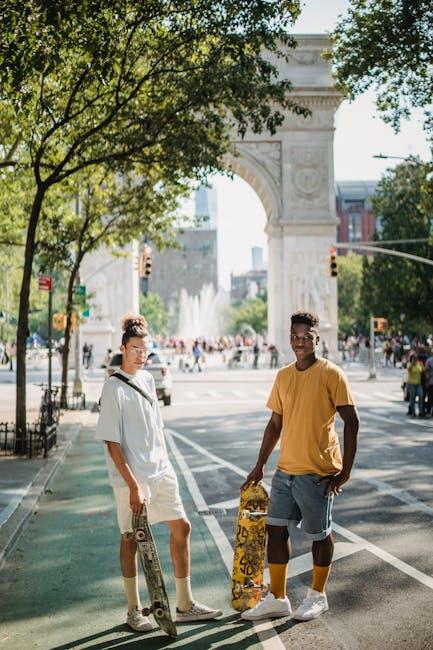
In recent years, skateboarding has experienced a transformation from a rebellious subculture to a mainstream phenomenon, largely fueled by its integration into tourism. This evolution has prompted a debate about whether skateboarding culture is being exploited or celebrated. On one hand, the commercialization of skate culture has introduced it to a broader audience, driving economic growth and creating opportunities for local businesses. Skate parks have become must-visit attractions in many cities, and skate-inspired merchandise, from graphic tees to custom boards, has become highly sought-after by tourists eager to capture a piece of the culture.
- Authenticity vs. Commercial Gain: As skateboarding gains popularity, there is a tension between maintaining the sport’s authentic roots and catering to the tourism-driven demand for skate-related experiences.
- Local Impact: The influx of tourists can benefit local economies, but it also risks diluting the unique essence of skateboarding communities, potentially leading to a loss of identity.
- Preservation of Culture: While tourism can promote skateboarding on a global scale, it is crucial to ensure that the core values and spirit of the sport are preserved amidst commercialization.
While the commercialization of skate culture offers numerous benefits, it also presents challenges that require careful consideration. The key lies in striking a balance that respects the history and ethos of skateboarding while embracing its newfound role as a cultural ambassador. By doing so, we can ensure that skateboarding remains both an authentic art form and a vibrant, sustainable industry.
Preserving Authenticity: Safeguarding Skateboardings True Spirit
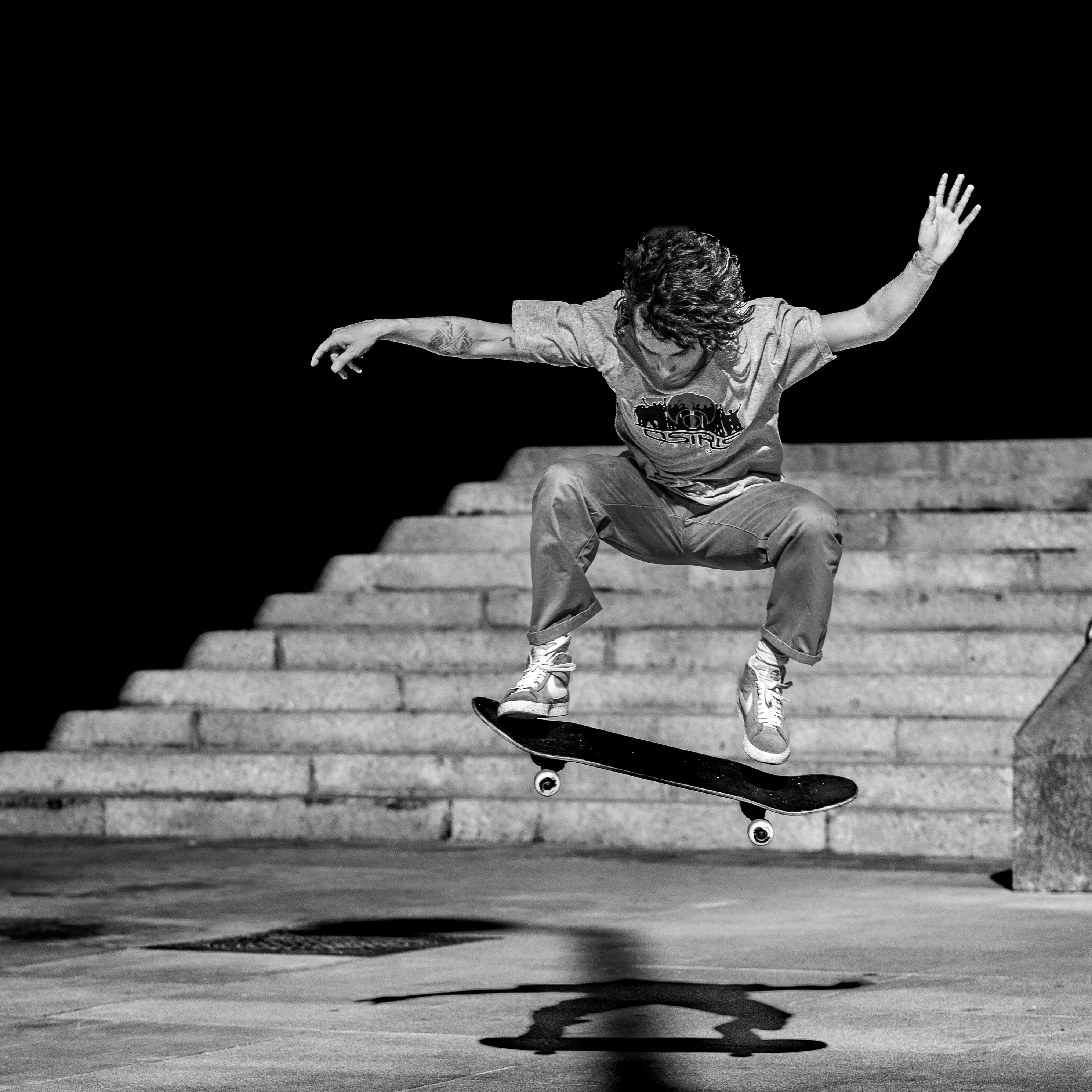
In the heart of skateboarding culture lies a raw, unfiltered energy that thrives on innovation and self-expression. Yet, as the sport gains mainstream attention, a new wave of commercialism threatens to dilute its essence. Tourism, with its glossy brochures and pre-packaged experiences, often overlooks the grassroots movements that form the backbone of skateboarding. The challenge is ensuring that this vibrant culture isn’t overshadowed by superficial portrayals that cater more to profit than passion.
- Authentic Locations: True skateboarding spots are often hidden gems, far removed from tourist traps.
- Local Influence: The sport’s evolution is deeply tied to the communities that nurture it, each adding unique flavor.
- Storytelling: Real stories and histories are what make skateboarding culture compelling, not manufactured narratives.
For those passionate about preserving this dynamic culture, it’s crucial to support initiatives that highlight genuine skate experiences. Encouraging local skaters to share their stories and protecting iconic skate spots from commercial exploitation are steps in safeguarding the sport’s integrity. Skateboarding is more than a sport; it’s a lifestyle, a community, and an ever-evolving art form that deserves to be celebrated in its truest form.
Empowering Local Communities: Strategies to Protect Skateboarding Heritage
In recent years, the rise of tourism has brought both opportunities and challenges to local skateboarding communities. To ensure the preservation of this vibrant culture, communities must implement strategic measures that emphasize their unique heritage while safeguarding against commercialization. Here are some approaches to consider:
- Community-Driven Initiatives: Encourage local skaters to organize events, workshops, and exhibitions that showcase the authentic spirit of skateboarding. These initiatives not only foster a sense of belonging but also educate tourists about the true essence of the culture.
- Partnerships with Local Businesses: Collaborate with local shops, cafes, and artisans to create skate-friendly environments. By promoting local businesses, communities can build a supportive network that highlights the cultural significance of skateboarding.
- Storytelling and Documentation: Capture the history and stories of local skaters through documentaries, photo exhibitions, and digital content. By sharing these narratives, communities can assert control over their cultural identity and ensure that it is represented accurately.
- Advocacy and Policy Development: Work with local governments to develop policies that protect skateboarding spaces and recognize them as cultural landmarks. This legal backing can prevent the exploitation of skateboarding sites by commercial interests.
By implementing these strategies, local communities can not only protect their skateboarding heritage but also ensure that it continues to thrive amidst the growing wave of tourism.
Insights and Conclusions
As we navigate the dynamic interplay between skateboarding culture and the ever-expanding realm of tourism, one thing becomes abundantly clear: the heart of skateboarding beats with an unyielding spirit of authenticity and rebellion. While the allure of tourism may seek to capitalize on this vibrant subculture, the true essence of skateboarding lies in its ability to adapt, evolve, and resist commodification. The soul of skateboarding thrives not in curated experiences or packaged tours, but in the raw, unfiltered moments of freedom and creativity found in urban landscapes around the world.
As we conclude our exploration, let us remember that the skateboarding community is not just a backdrop for tourism’s lens, but a living, breathing entity that continues to shape its own narrative. Whether on sun-drenched Californian streets or hidden alleys in bustling metropolises, skateboarding will persist as a symbol of individualism and counterculture. It is up to us to ensure that its story is told with respect and authenticity, allowing the culture to flourish on its own terms, beyond the grasp of commercialization. So, next time you hear the rhythmic clatter of wheels on pavement, know that you are witnessing more than just a sport—you’re witnessing a movement, forever pushing boundaries and carving its own path.