Surfing is a thrilling dance with the ocean, where the rush of adrenaline meets the serene beauty of the sea. Yet, for many surfers, managing speed in fast-moving waves can be a daunting challenge. Whether you’re an enthusiastic beginner or a seasoned wave rider, mastering speed control is essential not only for enhancing your performance but also for ensuring your safety on the water. In this article, we will explore practical techniques and strategies to help you harness the power of the waves, allowing you to ride with confidence and precision. Embrace the exhilarating journey of surfing with the knowledge that controlling your speed is within your reach, transforming daunting waves into exhilarating playgrounds.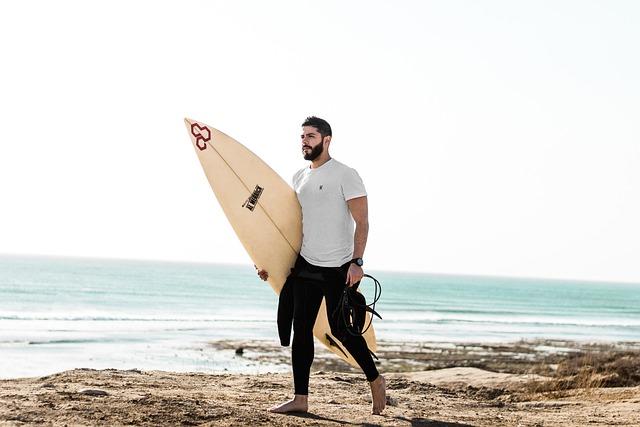
Mastering Your Stance for Better Control
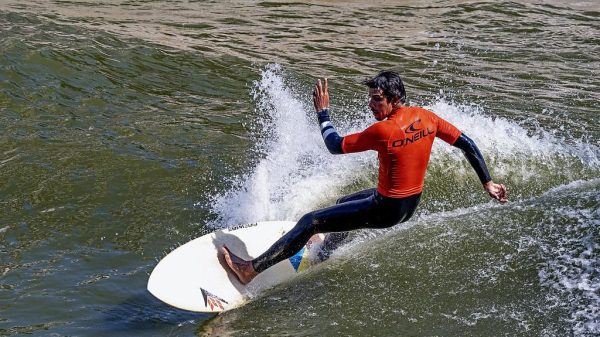
Achieving optimal control on fast-moving waves begins with a solid stance. Balance is key; position your feet shoulder-width apart, with the front foot slightly angled towards the nose of the board. This stance provides stability and allows for quick adjustments. Keep your knees bent and your center of gravity low, which aids in absorbing the wave’s power while maintaining balance.
- Shift your weight: Lean forward to gain speed and backward to slow down.
- Use your arms: Extend them out for balance, and use subtle movements to guide your direction.
- Engage your core: A strong core helps in stabilizing your movements and making precise turns.
Remember, each wave is unique, so being adaptable is crucial. With practice, your stance will become second nature, allowing you to navigate fast waves with confidence and finesse.
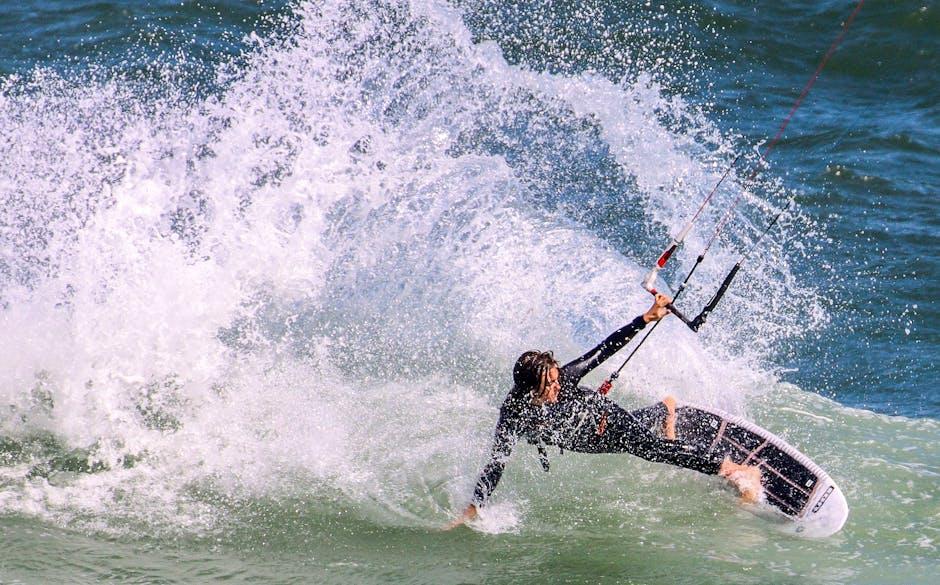
Harnessing the Power of Your Boards Design
To master speed control in fast-moving waves, understanding the nuances of your board’s design is crucial. Each board is crafted with unique elements that can either aid or hinder your ability to harness speed. Rails play a pivotal role; softer rails provide more grip and control, while harder rails facilitate speed but might sacrifice maneuverability. Evaluate your board’s rail design and adjust your technique accordingly. Rocker is another essential factor; a pronounced rocker can help you maintain speed through steep waves by reducing drag, whereas a flatter rocker can accelerate speed on smaller, softer waves.
Consider the fin setup as it greatly influences your board’s behavior on the water. A tri-fin setup offers a balanced blend of speed and control, while a quad-fin setup might boost speed at the cost of tighter turns. Tail shape also matters; a swallow tail provides added hold in bigger waves, enhancing control, while a squash tail offers versatility across various conditions. By understanding and utilizing these design elements, you can effectively manage your speed and enhance your overall surfing experience.
- Rails: Soft for control, hard for speed
- Rocker: Pronounced for steep waves, flat for softer waves
- Fin Setup: Tri-fin for balance, quad-fin for speed
- Tail Shape: Swallow for hold, squash for versatility
Utilizing Wave Dynamics to Your Advantage
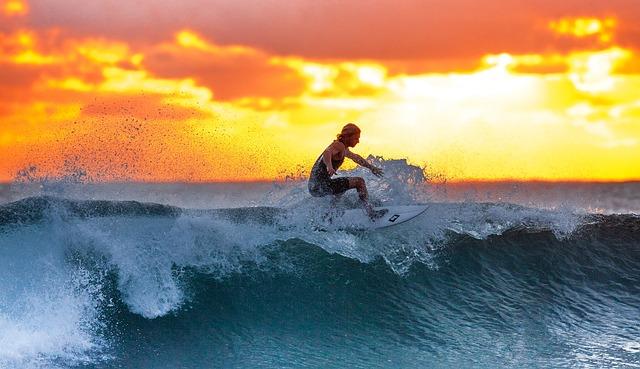
When you’re riding fast-moving waves, controlling your speed can make all the difference between an exhilarating ride and a wipeout. The key is to understand the wave dynamics and use them to your advantage. Positioning is crucial; staying closer to the shoulder of the wave allows you to harness its power without getting overwhelmed. To reduce speed, consider moving towards the top of the wave where the water moves slower. Alternatively, you can apply pressure on your back foot to dig the tail of your board deeper into the water, creating drag and slowing you down.
- Adjust your stance: Lean back slightly to slow down, or lean forward to pick up speed.
- Utilize carving turns: These not only help in controlling speed but also maintain your momentum and balance.
- Read the wave: Pay attention to the wave’s shape and speed. This helps in deciding whether to speed up or slow down.
Mastering these techniques takes practice, but with time, you’ll find yourself dancing with the waves, turning every ride into a thrilling adventure. Remember, every wave is different, and adapting to its unique rhythm is what makes surfing such a dynamic and rewarding experience.
Building Confidence Through Practice and Technique
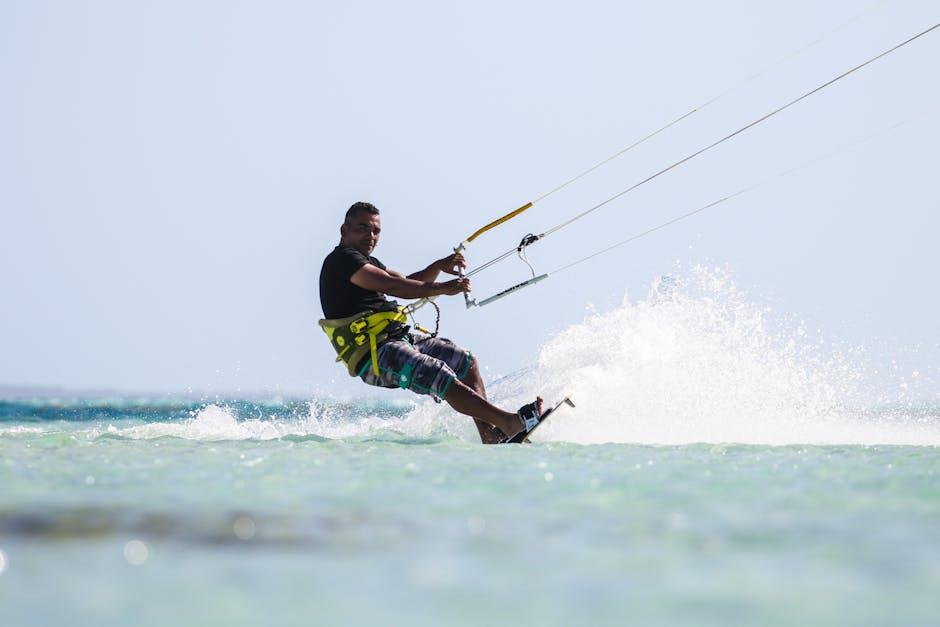
To master speed control on fast-moving waves, it’s essential to focus on both your physical stance and mental agility. Positioning is key; maintaining a low center of gravity allows for quicker adjustments and greater stability. Bend your knees and keep your weight balanced over the board to react swiftly to changes in the wave’s velocity. Additionally, practice adjusting your body posture to shift your board’s angle—this subtle maneuver can help increase or decrease speed as needed.
Technique plays a vital role in harnessing the power of the wave. Consider these strategies to refine your approach:
- Carving: Use your rails effectively by carving through turns, which helps dissipate speed while maintaining control.
- Pumping: Generate speed by rhythmically compressing and extending your body along the wave face.
- Foot Placement: Shift your back foot slightly towards the tail for more braking power, and forward for acceleration.
- Wave Reading: Anticipate the wave’s behavior to adjust your maneuvers proactively, ensuring you stay in the optimal speed zone.
Confidence builds with each session, as you begin to intuitively sense the rhythm of the ocean and your movements become second nature. Embrace the learning curve, and soon you’ll find yourself riding those fast-moving waves with grace and precision.