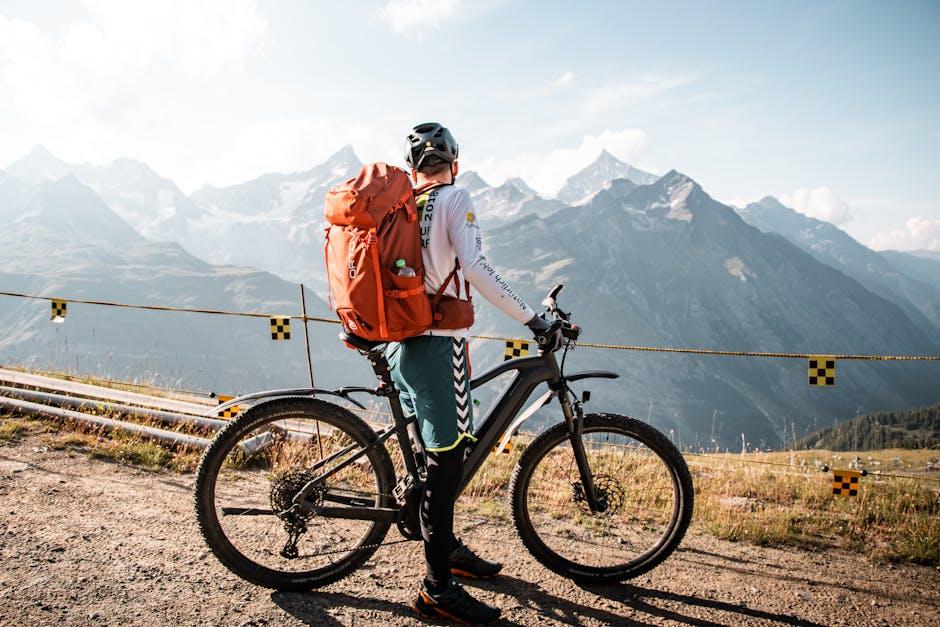
Mountain biking is a thrilling adventure that offers an exhilarating blend of nature, speed, and skill. As you navigate rugged trails and breathtaking landscapes, the sport promises not just an adrenaline rush but also a sense of accomplishment. However, with its inherent challenges, mountain biking also comes with the risk of injuries. The good news is that by adopting a set of best practices, you can significantly minimize these risks and enhance your overall biking experience. This article will guide you through essential strategies to keep you safe on the trails, ensuring that each ride is not only enjoyable but also injury-free. Embrace these practices with confidence and optimism, knowing that they will empower you to tackle any trail with safety and skill.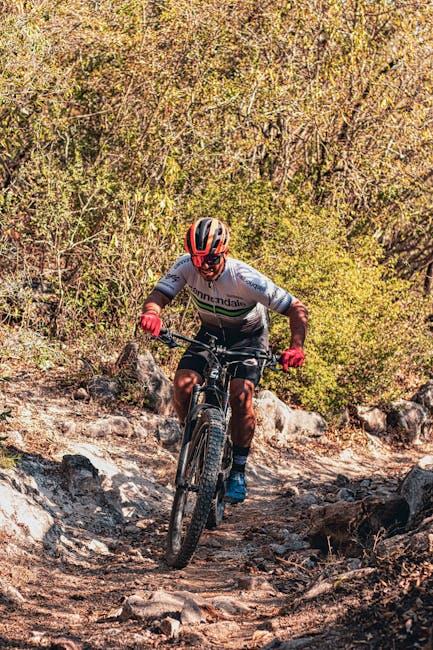
Choosing the Right Gear for a Safe Ride
When embarking on a mountain biking adventure, selecting the appropriate gear is crucial for ensuring both safety and enjoyment. Helmets are non-negotiable; they are your first line of defense against head injuries. Look for one that offers excellent ventilation, a snug fit, and complies with safety standards. Gloves not only enhance grip but also provide protection for your hands during falls. Opt for padded gloves to absorb shocks from rough terrains.
Equally important is the choice of footwear. Mountain biking shoes should offer a blend of comfort, grip, and durability. Clipless shoes can provide better control and power transfer, but ensure they are compatible with your bike’s pedals. Don’t overlook the significance of protective clothing; jerseys and shorts made from moisture-wicking materials can keep you comfortable, while padded shorts can prevent saddle sores. Lastly, consider a hydration pack to stay hydrated without the need to stop frequently.
- Helmet: Prioritize fit and safety certifications.
- Gloves: Look for padding and grip enhancement.
- Footwear: Ensure compatibility with pedals and offer good traction.
- Protective Clothing: Opt for moisture-wicking and padded options.
- Hydration Pack: A convenient way to stay hydrated on the go.
Mastering Basic Techniques to Enhance Control
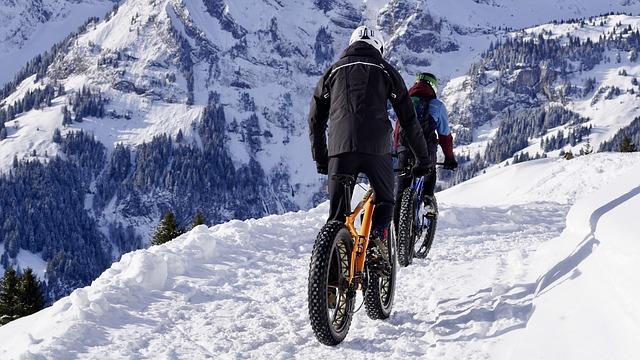
To truly minimize the risk of injuries while mountain biking, honing your fundamental skills is paramount. These basic techniques serve as the building blocks for enhanced control, allowing you to navigate trails with confidence and agility. Balance is your best friend; mastering it helps you maintain stability on uneven terrains. Practice riding slowly in a straight line, using your core to keep steady, and try balancing on your bike without moving for a few seconds.
- Braking: Always use both brakes simultaneously, but apply more pressure on the rear brake to avoid flipping over.
- Cornering: Enter turns with a wide approach, lean your bike rather than your body, and look through the corner to where you want to go.
- Shifting: Anticipate the terrain and shift gears accordingly before you hit steep climbs or descents to maintain momentum.
By incorporating these techniques into your routine, you not only improve your control but also enhance your overall riding experience, reducing the likelihood of accidents and ensuring a safer journey through the mountains.

Building Strength and Flexibility for Injury Prevention
To enhance your mountain biking experience and reduce the risk of injury, it’s essential to focus on building both strength and flexibility. Strength training is key to maintaining control and stability on challenging terrains. Incorporate exercises that target your core, legs, and upper body. Consider these effective workouts:
- Squats and Lunges: Develop leg strength to handle rough trails and steep climbs.
- Planks and Russian Twists: Build core stability for better balance and endurance.
- Push-ups and Pull-ups: Enhance upper body strength to manage the bike’s weight and navigate obstacles.
Equally important is flexibility training, which aids in preventing muscle strains and improving range of motion. Integrate these stretching routines into your regimen:
- Hamstring and Quadriceps Stretches: Keep your legs flexible to absorb shocks and maintain agility.
- Shoulder and Neck Stretches: Relieve tension from prolonged riding positions.
- Hip Flexor Stretches: Enhance lower body mobility for smoother transitions and maneuverability.
By combining these practices, you’ll not only boost your biking performance but also safeguard against potential injuries, ensuring a more enjoyable and sustained mountain biking journey.
Planning Your Routes for a Secure Adventure
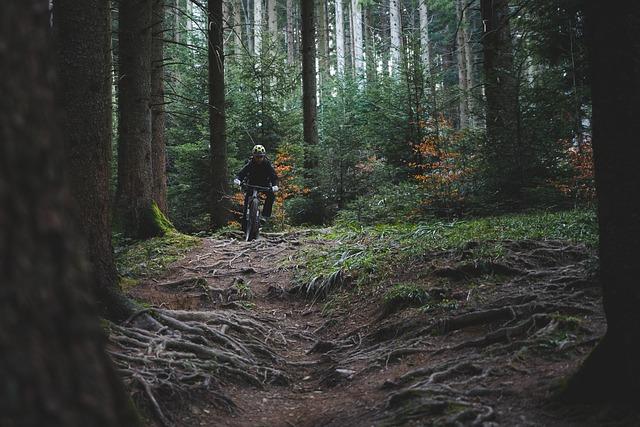
To ensure a safe and exhilarating mountain biking experience, thoughtfully selecting your routes is essential. Start by assessing your skill level and choose trails that match your abilities. Beginners should opt for well-marked paths with gentle slopes, while more experienced riders might seek out rugged terrains for an added challenge. It’s crucial to study trail maps and guides before setting out, which will help you identify potential hazards and prepare for the terrain.
- Check Weather Conditions: Always verify the weather forecast as sudden changes can impact trail safety.
- Communicate Your Plan: Share your route and expected return time with a friend or family member.
- Know the Area: Familiarize yourself with local wildlife and vegetation to avoid unexpected encounters.
- Plan for Breaks: Identify rest spots along your route to stay hydrated and energized.
By meticulously planning your routes, you can embrace the thrill of mountain biking while minimizing the risk of injuries, ensuring that every ride is as safe as it is exciting.