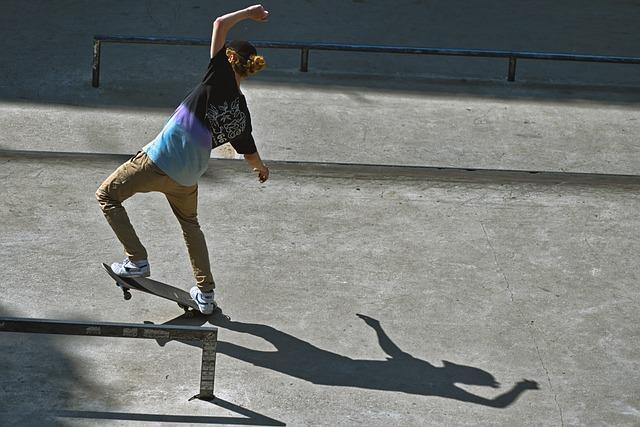
In the rhythmic clatter of wheels on concrete, cities like San Francisco, skateboarding-spots-in-los-angeles-for-every-style/” title=”The Best Skateboarding Spots in Los Angeles for Every Style”>Los Angeles, and New York have long been the symphony halls for the raw, unfiltered expression of skateboarding. These urban landscapes, with their gritty charm and rebellious spirit, have nurtured legends and spawned a culture that thrives on authenticity. Yet, as the sun sets on these iconic cities, a new narrative is unfolding—one where the soul of skateboarding is caught in the crosshairs of gentrification. As sleek high-rises replace dilapidated warehouses and artisanal coffee shops supplant beloved local haunts, a pressing question emerges: Are these famous skateboarding cities losing the very essence that made them legendary? With each new development, the balance between progress and preservation teeters, challenging the heart of a culture that once danced freely on the edge of society. Join us as we delve into the evolving landscapes of these urban meccas and explore whether the spirit of skateboarding can survive amidst the shifting tides of change.
Skate Parks and Skyrocketing Rents Exploring the Impact of Urban Development
The skateboarding culture has long been intertwined with the urban landscapes of cities like San Francisco, New York, and Los Angeles. These cities, once known for their gritty authenticity and vibrant street life, are experiencing a shift as upscale developments and rising rents take hold. Gentrification is reshaping these environments, pushing out the very communities that helped build the skateboarding legacy. As luxury apartments and high-end retail spaces replace iconic skate spots, the essence of these neighborhoods is at risk of being lost. What was once a haven for creativity and freedom is becoming a playground for the affluent, leaving skateboarders questioning their place in the evolving urban tapestry.
- Loss of Community: Skateparks are more than just concrete and ramps; they’re community hubs. As neighborhoods gentrify, the locals who gather here are often displaced.
- Authenticity vs. Aesthetics: While new developments boast sleek designs, they often lack the raw, authentic energy that made these cities skateboarding meccas.
- Accessibility Issues: Rising rents and cost of living mean fewer affordable spaces for both residents and independent skate shops.
In the face of these changes, the skateboarding community is resilient, finding new ways to preserve its culture and history. Yet, the question remains: can these cities maintain their skateboarding roots amidst the pressures of modernization?

Cultural Erosion or Evolution How Gentrification Redefines Skateboarding Hubs
In the evolving landscape of urban culture, skateboarding hubs once thrived as gritty sanctuaries for rebellious self-expression. However, as gentrification weaves its intricate patterns into these urban fabrics, the essence of these skateboarding meccas faces a transformation. Cultural erosion or evolution? This question looms large over the skateboarding communities as they navigate the shifting dynamics of their beloved locales. Once characterized by their raw energy and authenticity, these spaces now contend with an influx of upscale cafes, art galleries, and boutique shops. While these changes can enhance the aesthetic appeal and economic vitality of an area, they often come at the cost of displacing the very subcultures that gave these places their unique identity.
Skateboarding hubs, under the influence of gentrification, are experiencing a paradoxical blend of loss and opportunity. As the traditional street art fades beneath layers of new development, a new wave of skaters finds itself grappling with the evolving definition of authenticity. What are the impacts?
- Loss of historical skate spots to commercial development
- Rise in property values pushing out long-time residents
- Emergence of skateparks that blend modern amenities with traditional elements
- Increased visibility and mainstream acceptance of skate culture
While some view these changes as a dilution of skateboarding’s core ethos, others see it as an opportunity to redefine and expand the culture’s reach. The challenge lies in preserving the soul of these skateboarding hubs amidst the tide of urban renewal.
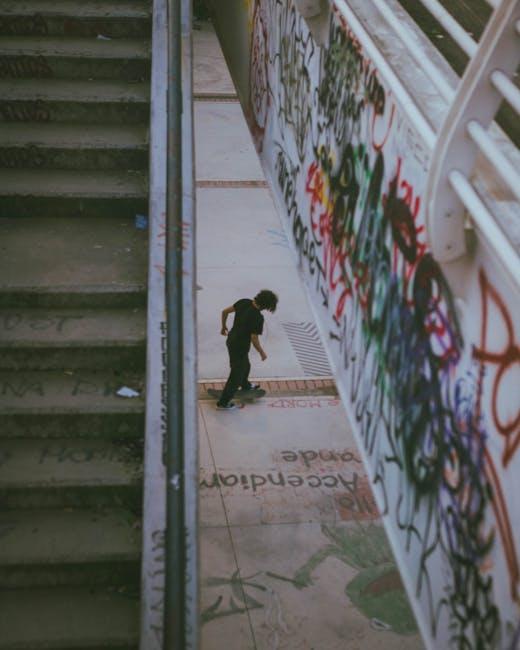
Preserving the Spirit Strategies for Maintaining Authentic Skateboarding Communities
To nurture the essence of skateboarding in the face of gentrification, communities must harness the power of grassroots initiatives. Local skate shops, often the heart of the skate scene, should be supported and celebrated as cultural hubs. Hosting community events such as skate jams, workshops, and art shows can foster a sense of belonging and encourage collaboration among skaters. Engaging with local governments to secure spaces specifically for skateboarding can help protect these areas from commercial encroachment.
Embracing diversity and inclusivity is another cornerstone of preserving the authentic spirit of skateboarding. Encouraging participation from all backgrounds ensures a vibrant and dynamic community. Mentorship programs that pair experienced skaters with newcomers can nurture talent and instill a sense of tradition and respect. Additionally, utilizing digital platforms to document and share the rich history and stories of the local skate culture can create a virtual space that reinforces the community’s identity. By weaving together these strategies, skateboarding communities can thrive amidst the challenges of urban change.
Balancing Growth and Tradition Recommendations for Sustainable Urban Planning in Skate Cities
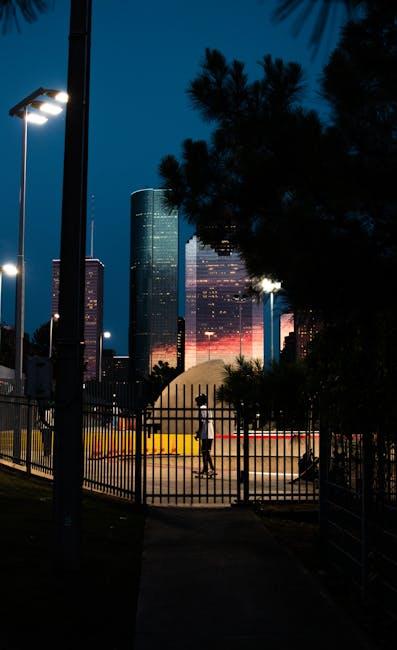
As urban landscapes evolve, the challenge lies in fostering growth while preserving the unique cultural tapestry that defines skateboarding cities. To strike this balance, urban planners can adopt a set of recommendations that honor tradition while embracing progress. Firstly, community engagement is crucial. By involving local skaters in planning processes, cities can ensure that development aligns with the needs and values of the skateboarding community.
- Preservation of Iconic Spots: Protecting legendary skate spots can maintain a city’s skateboarding heritage. Designating these areas as cultural landmarks can prevent them from being overrun by commercial interests.
- Inclusive Infrastructure: Development should include skate-friendly infrastructure that integrates seamlessly with urban life, such as skateparks and designated skate zones that coexist with pedestrian spaces.
- Economic Inclusivity: Encouraging local businesses to support skate culture can promote economic growth without alienating the existing community. This can be achieved through partnerships and initiatives that celebrate local skateboarding events.
By weaving these strategies into the urban fabric, cities can nurture their skateboarding legacy while embracing sustainable growth. This ensures that the soul of skate culture thrives amidst the modern evolution of urban spaces.