Skateparks have long been vibrant hubs of creativity, camaraderie, and athleticism, where individuals of all ages come together to express themselves and hone their skills on wheels. As these dynamic spaces continue to grow in popularity, an important discussion has emerged: should skateparks implement age and skill level restrictions? This article aims to explore the potential benefits and drawbacks of such regulations, offering insights into how they might enhance safety, inclusivity, and the overall skatepark experience. By examining various perspectives, we hope to provide a balanced understanding that encourages thoughtful consideration and fosters a positive environment for all skatepark enthusiasts. Whether you’re a seasoned skater, a concerned parent, or a community planner, this discussion invites you to envision a future where skateparks are both welcoming and secure for everyone who wishes to ride.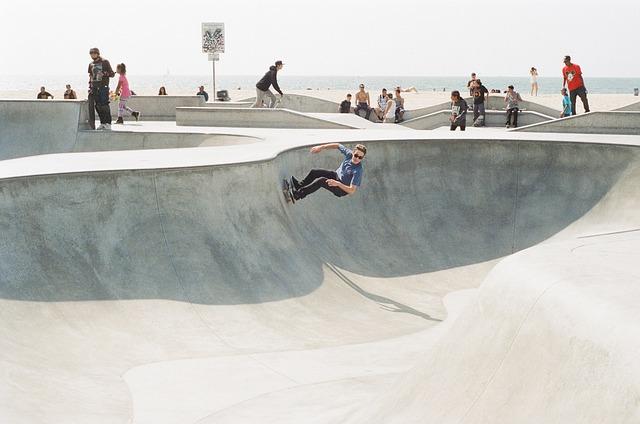
Understanding the Benefits of Inclusive Skateparks
Creating spaces that welcome individuals of all ages and skill levels fosters a more dynamic and vibrant skatepark community. Inclusive skateparks encourage learning and growth by providing an environment where beginners can observe and learn from more experienced skaters, and where seasoned skaters can offer guidance and mentorship. This mutual exchange of skills and experiences not only enhances the abilities of all participants but also builds a sense of camaraderie and respect among skaters.
- Diverse Skill Development: Inclusive environments push skaters to step out of their comfort zones and try new techniques, leading to faster skill acquisition.
- Community Building: Bringing together skaters of all ages and skill levels fosters a community spirit, making skateparks a hub for social interaction and support.
- Safety and Encouragement: An inclusive setting often results in more people looking out for each other, which can lead to a safer and more encouraging atmosphere.
By embracing inclusivity, skateparks become not just a venue for sport, but a platform for personal development and community engagement, benefiting everyone involved.
Creating Safe Spaces for All Skill Levels
Ensuring that everyone feels welcome and secure at skateparks is crucial for fostering a thriving community. One approach is to implement features and guidelines that cater to all skill levels. Consider introducing dedicated zones within the park, such as:
- Beginner areas: Simple ramps and rails to help new skaters build confidence.
- Intermediate sections: More challenging structures for those ready to advance their skills.
- Advanced zones: Complex setups for seasoned skaters to test their limits.
In addition to these physical divisions, community-led initiatives can enhance safety and inclusivity. Hosting regular workshops and meet-ups encourages mentorship, allowing experienced skaters to guide newcomers. By fostering an environment where everyone feels supported, skateparks can become vibrant hubs for learning and growth.
Designing Age-Appropriate Zones for Optimal Learning
Creating distinct areas within skateparks that cater to various age groups and skill levels can significantly enhance the learning experience. By implementing designated zones, young and novice skaters can develop their skills without feeling intimidated by more experienced skaters. This approach encourages a supportive environment where everyone can progress at their own pace.
- Beginner Zones: These areas can feature simple ramps and flat surfaces to help newcomers build confidence.
- Intermediate Sections: Slightly more complex structures like bowls and rails can be included for those ready to advance.
- Advanced Areas: Incorporating challenging obstacles and larger ramps for seasoned skaters allows them to refine their skills and push boundaries.
By thoughtfully designing these zones, skateparks can become inclusive spaces that foster a culture of growth and camaraderie, ultimately contributing to the overall development of the skateboarding community.
Fostering Community Growth Through Skill Diversity
In the vibrant world of skateboarding, the magic lies in its inclusivity and the incredible diversity of skills that each skater brings to the park. By embracing a mix of ages and abilities, skateparks become melting pots of creativity and learning. A diverse community encourages skill exchange—seasoned skaters can impart tricks and techniques to newcomers, while beginners often inspire veterans with fresh perspectives and innovative approaches. This dynamic interplay fosters a nurturing environment where everyone grows, not just in their skills but in their understanding and appreciation of the sport.
Consider the benefits of a skatepark that welcomes all:
– Increased Mentorship Opportunities: Experienced skaters become mentors, teaching not just skills, but also the ethos of respect and perseverance.
– Enhanced Creativity: The blending of different styles and techniques can lead to the creation of new tricks and movements.
– Stronger Community Bonds: A skatepark without restrictions becomes a space where friendships are forged across age and skill barriers, strengthening the community fabric.
By maintaining an open-door policy, skateparks can become thriving hubs of growth, where skaters of all backgrounds contribute to a vibrant, evolving culture.