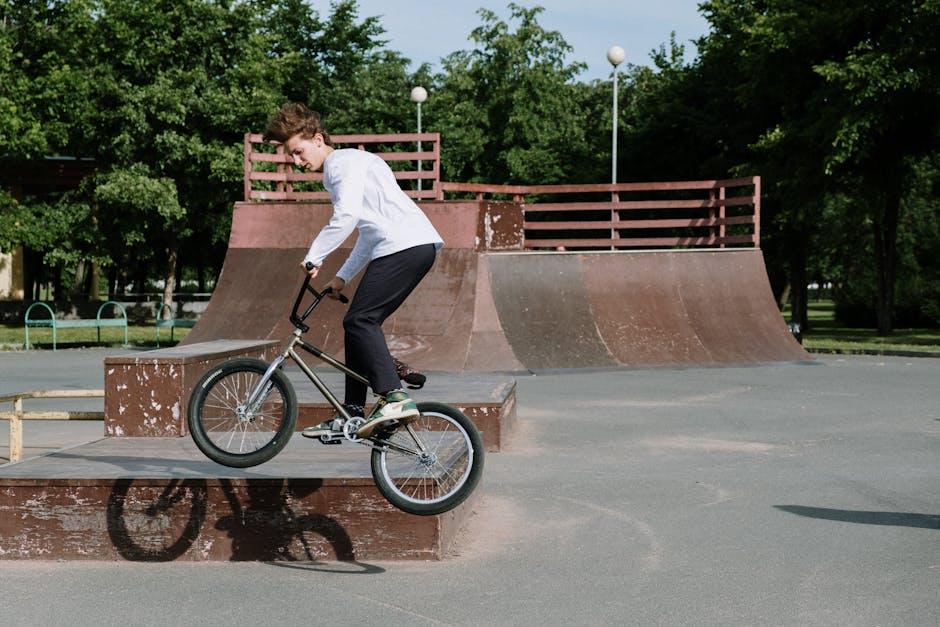
Freestyle BMX and traditional BMX racing each offer unique thrills and challenges, captivating riders and enthusiasts across the globe. As these two disciplines continue to grow in popularity, questions about their relative safety have naturally emerged. Is the adrenaline-pumping world of freestyle BMX, with its gravity-defying tricks and stunts, inherently more dangerous than the fast-paced, competitive environment of traditional BMX racing? This article aims to explore the risks and rewards associated with each discipline, providing insights into how riders can pursue their passion safely. By understanding the distinct characteristics and potential hazards of freestyle and traditional BMX, enthusiasts can make informed decisions, embracing the excitement of BMX with confidence and optimism.
Understanding the Unique Risks of Freestyle BMX
Freestyle BMX is a thrilling sport that takes riders beyond the boundaries of traditional BMX racing, embracing a world of creative expression and daring stunts. However, with this exhilarating freedom comes a set of unique risks. Freestyle BMX riders face challenges that differ significantly from those encountered in traditional BMX. The nature of tricks, which can involve complex aerial maneuvers, grinds, and spins, increases the potential for injury. Riders must contend with obstacles such as ramps, rails, and other structures, which demand precision and control.
Key risks associated with Freestyle BMX include:
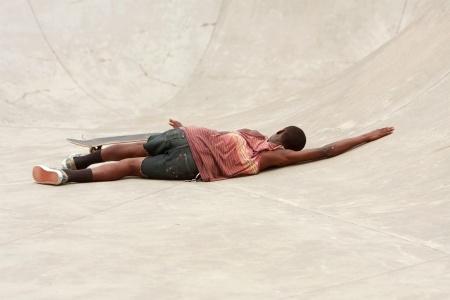
- Higher Impact Falls: Landing from a height or misjudging a trick can lead to severe impacts.
- Complex Maneuvers: The intricate nature of tricks increases the likelihood of errors.
- Varied Terrain: Uneven surfaces and constructed obstacles require constant adaptability.
Despite these risks, many enthusiasts find that the sport’s emphasis on creativity and individuality provides a rewarding and enriching experience. Proper training, protective gear, and a focus on safety can mitigate many of these dangers, allowing riders to enjoy the adrenaline-fueled excitement of Freestyle BMX with confidence.
Exploring Safety Measures in Traditional BMX
When it comes to BMX racing, safety is paramount. Riders in traditional BMX often focus on mastering techniques that emphasize control and precision, allowing them to navigate tracks filled with jumps, turns, and obstacles. To ensure safety while pushing the limits, several measures are typically employed:
- Protective Gear: Helmets are a non-negotiable staple, complemented by pads for elbows and knees, gloves, and sometimes even chest protectors to safeguard against falls and collisions.
- Track Design: Tracks are meticulously designed to balance challenge with safety. Features like smooth transitions and well-marked lanes help reduce the risk of accidents.
- Skill Development: Riders are encouraged to participate in skill-building clinics and practice sessions, where they can learn and refine techniques under the guidance of experienced coaches.
By fostering an environment where safety is seamlessly integrated into the thrill of the sport, traditional BMX continues to offer an exciting yet secure experience for riders of all ages and skill levels.
Embracing Safety Innovations in Freestyle BMX
Freestyle BMX, with its adrenaline-pumping stunts and daring tricks, has often been seen as a high-risk sport. However, the recent wave of safety innovations is transforming how riders approach their craft. From advanced helmet technology to improved bike design, the emphasis is on enhancing protection without compromising on performance. Smart helmets equipped with sensors can now detect impacts and alert emergency contacts, offering an added layer of safety for riders pushing their limits.
Moreover, the BMX community is embracing protective gear that is both functional and stylish. Riders can now choose from a range of lightweight pads and gloves that offer maximum mobility and comfort. Safety training programs have also become more prevalent, teaching riders how to fall safely and minimize injuries. As the sport continues to evolve, these innovations are paving the way for a safer, yet equally thrilling, freestyle BMX experience.
- Advanced helmet technology
- Lightweight protective gear
- Safety training programs
Empowering Riders with Comprehensive Safety Strategies
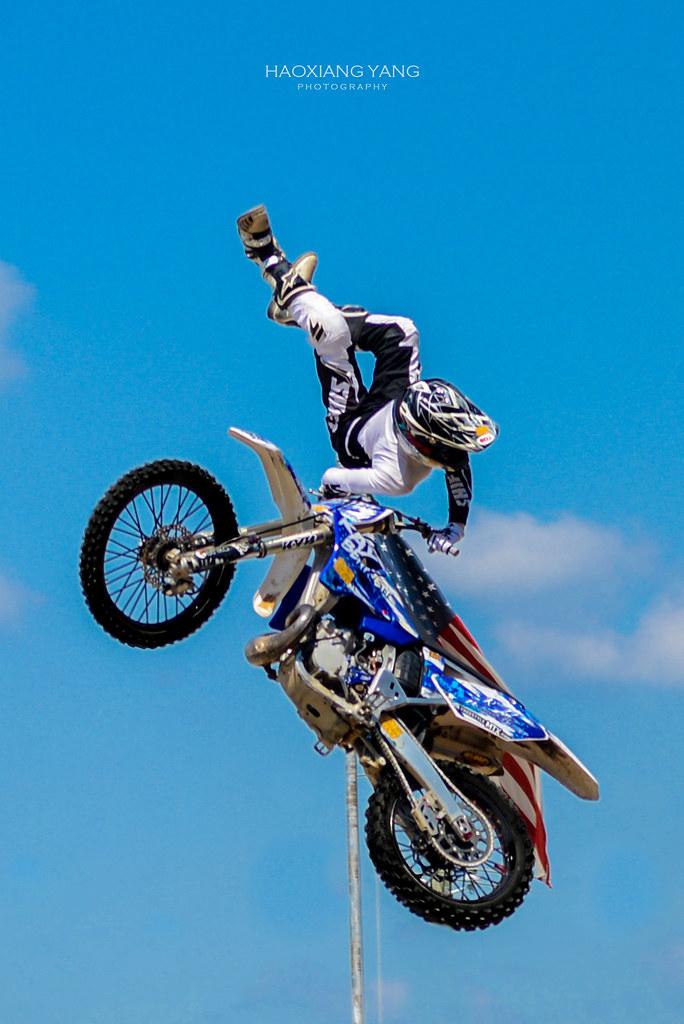
Freestyle BMX and traditional BMX each come with their own unique set of challenges and safety concerns. To ensure the well-being of riders, it’s crucial to implement comprehensive safety strategies tailored to each discipline. While freestyle BMX involves intricate tricks and stunts, often performed in skateparks or urban environments, traditional BMX focuses more on racing on dirt tracks. Safety strategies for freestyle BMX include:
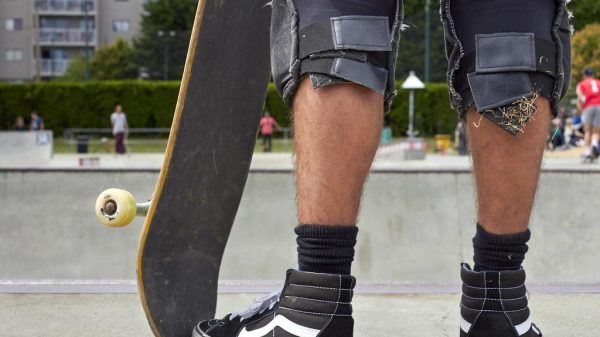
- Wearing protective gear like helmets, knee pads, and elbow pads specifically designed for impact protection during stunts.
- Practicing in controlled environments with appropriate surfaces to minimize injury risks.
- Gradually progressing from basic tricks to more complex maneuvers, ensuring mastery of each skill level.
For traditional BMX, where speed and agility are key, riders can enhance safety by focusing on:
- Regular bike maintenance checks to ensure optimal performance and avoid mechanical failures.
- Developing strong situational awareness to navigate the track effectively and anticipate potential hazards.
- Participating in training programs that emphasize techniques for safe cornering and efficient braking.
By adopting these strategies, riders can confidently enjoy the thrill of BMX, whether they’re mastering a tailwhip or conquering the race track, knowing they’re equipped with the right tools to stay safe.