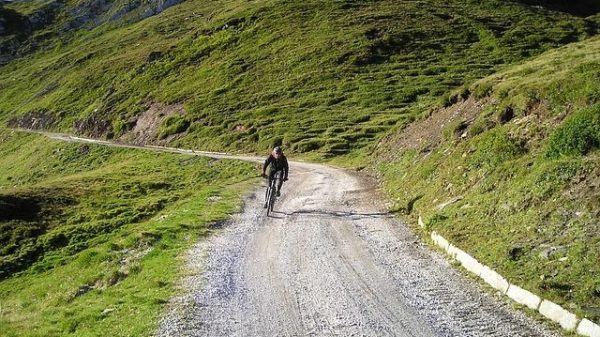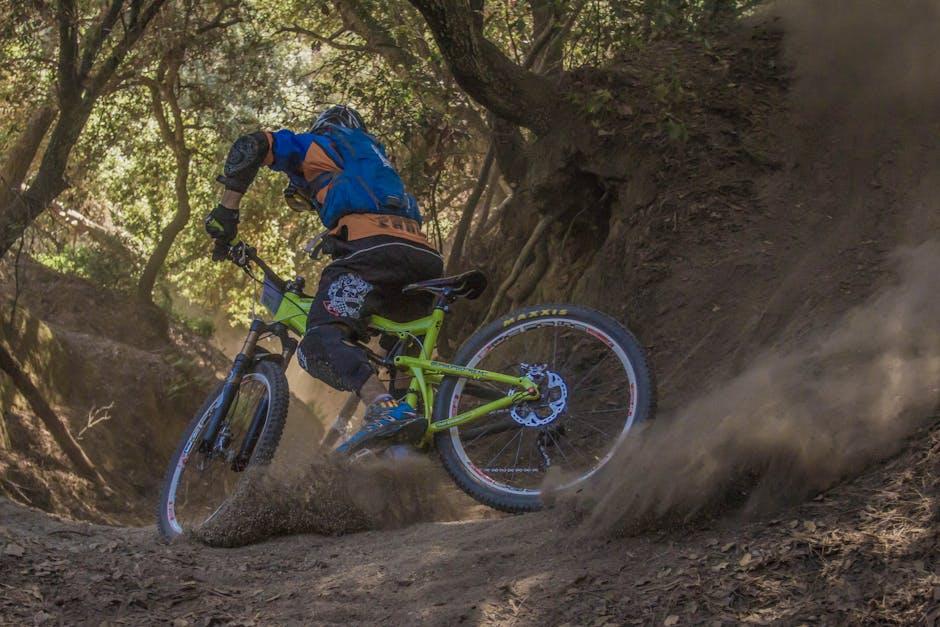
Mountain biking, a sport that combines the thrill of speed with the serenity of nature, has rapidly grown in popularity over recent decades. As more enthusiasts seek new trails and challenges, the question arises: should mountain biking be allowed in national parks? National parks, celebrated for their pristine landscapes and biodiversity, offer unparalleled opportunities for outdoor recreation. Balancing the preservation of these natural treasures with the increasing demand for diverse recreational activities is a complex but exciting challenge. This article explores the potential benefits and considerations of allowing mountain biking in national parks, aiming to provide a comprehensive understanding of how this sport can coexist harmoniously with conservation goals. With thoughtful planning and responsible practices, mountain biking could become a valuable component of the national park experience, enhancing both public enjoyment and environmental stewardship.
Balancing Conservation and Recreation in National Parks
In the ongoing dialogue about how to balance the dual goals of preservation and recreation within national parks, mountain biking emerges as a thrilling yet contentious topic. Enthusiasts of the sport argue that it provides a unique way to experience nature, offering access to remote areas and a chance to engage with the landscape dynamically. Mountain biking can promote physical health, environmental awareness, and economic benefits through increased tourism.
- Physical Health: Encourages outdoor activity and fitness.
- Environmental Awareness: Cultivates a deeper connection with nature.
- Economic Benefits: Boosts local economies through tourism and related services.
Conversely, conservationists raise concerns about the potential environmental impact. The erosion of trails, disturbance to wildlife, and the challenge of maintaining serene environments for all visitors are valid points of discussion. However, with well-planned trail management strategies and sustainable practices, mountain biking can coexist with conservation efforts. Utilizing designated paths and promoting responsible riding can minimize the ecological footprint, ensuring that these treasured landscapes remain pristine for future generations.
Embracing Sustainable Trails for Mountain Biking Enthusiasts
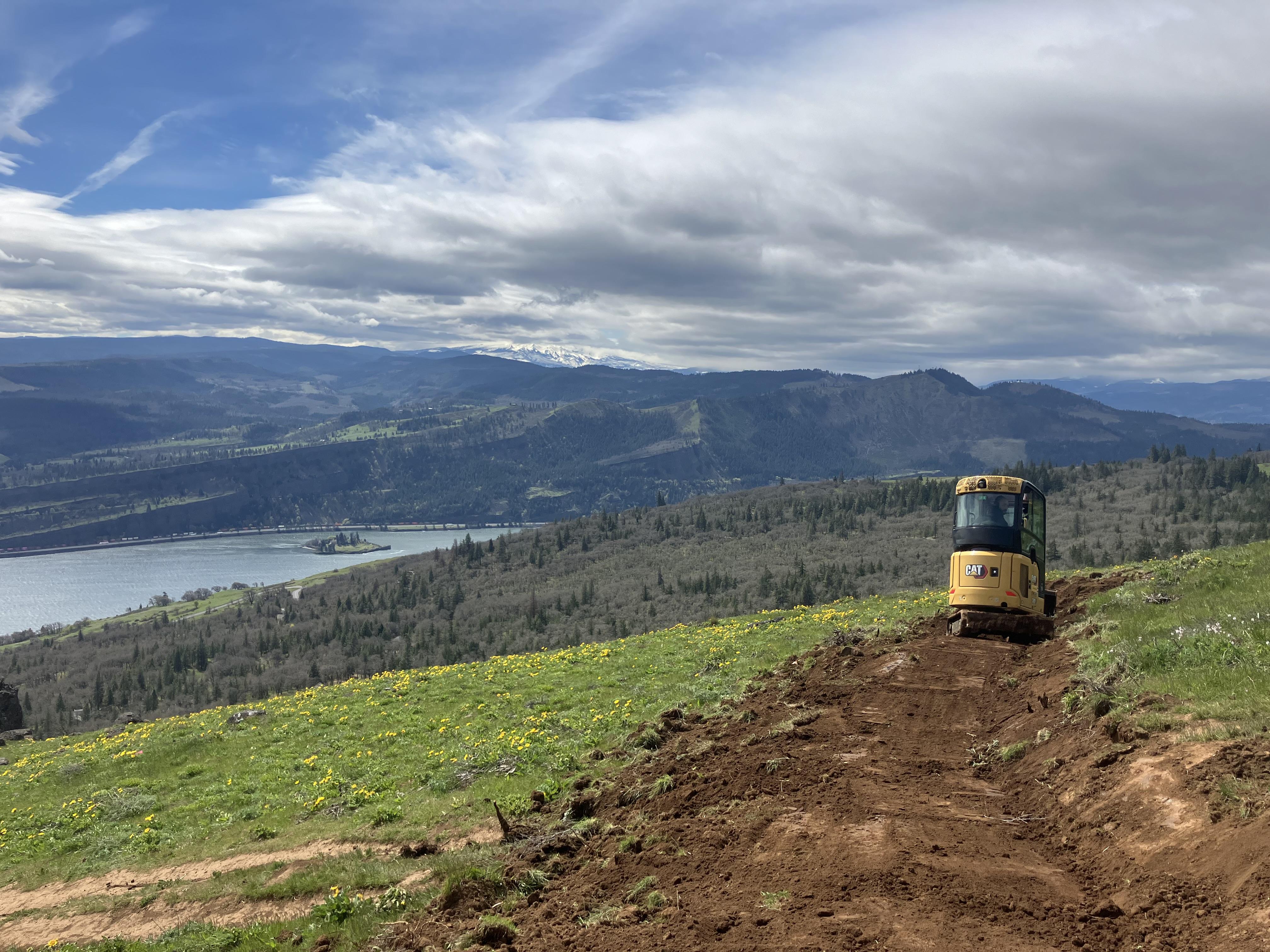
Mountain biking in national parks presents a unique opportunity to merge adventure with conservation. By adopting sustainable practices, bikers can enjoy the thrill of the trails while preserving the natural beauty of these cherished landscapes. Enthusiasts can play a pivotal role in this harmonious coexistence by adhering to eco-friendly trail etiquette and supporting park conservation efforts.
- Stick to Designated Trails: Riding on marked paths minimizes environmental impact and protects delicate ecosystems.
- Leave No Trace: Carry out all trash, respect wildlife, and avoid disturbing flora to maintain the pristine condition of the parks.
- Support Trail Maintenance: Engage with local biking groups or park services to participate in trail maintenance and restoration projects.
By embracing these sustainable practices, mountain bikers not only ensure their continued access to these stunning environments but also contribute to the broader mission of preserving natural habitats for future generations. This approach ensures that the thrill of biking remains a positive force for both enthusiasts and the ecosystems they cherish.
Engaging Communities in Responsible Trail Management
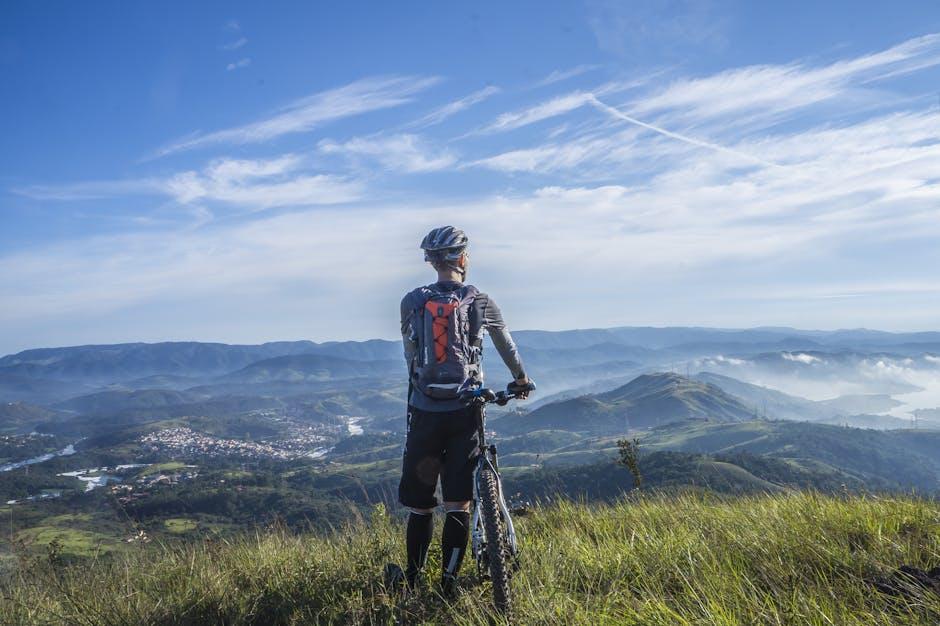
Involving local communities in the stewardship of trails within national parks can lead to more sustainable and enjoyable mountain biking experiences. Collaboration between park authorities, local bikers, and environmental groups can foster a sense of shared responsibility, ensuring trails are maintained and preserved. By organizing workshops and forums, communities can share knowledge and address concerns, creating a balanced approach that respects both the environment and recreational activities.
- Trail Maintenance Days: Encourage community members to participate in regular trail maintenance, fostering a hands-on approach to preserving natural habitats.
- Educational Programs: Develop initiatives that educate bikers on sustainable practices, such as minimizing trail impact and respecting wildlife.
- Feedback Channels: Create platforms where bikers can share insights and report issues, promoting transparency and continuous improvement in trail management.
By actively engaging communities, national parks can not only safeguard their ecosystems but also enhance the recreational experiences of mountain bikers, creating a harmonious balance between nature conservation and outdoor adventure.
Fostering Partnerships for Enhanced Park Experiences
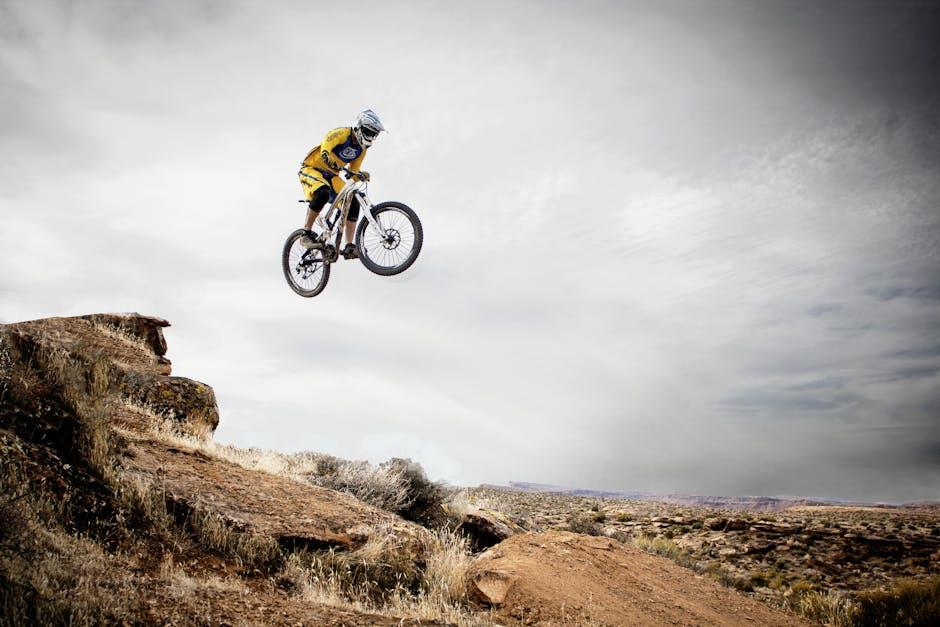
In exploring the potential for mountain biking in national parks, fostering partnerships between park authorities, local communities, and mountain biking enthusiasts becomes essential. These collaborations can lead to a shared understanding of both the environmental and recreational aspects of park management. By working together, stakeholders can develop sustainable trail systems that respect the natural habitat while providing exhilarating biking experiences. Innovative trail design can minimize ecological impact, ensuring that trails are both exciting for bikers and safe for wildlife.
Key strategies for successful partnerships include:
- Engaging local communities to gather insights and support for trail development.
- Training programs for park staff and volunteers to manage and maintain biking trails.
- Regular feedback sessions to adapt and improve the biking experience.
- Promotional events that highlight the benefits of mountain biking in parks.
By embracing these collaborative efforts, we can enhance park experiences for all visitors while preserving the pristine beauty of our national parks. With careful planning and enthusiastic cooperation, mountain biking can be a thrilling yet sustainable addition to the diverse activities offered in these treasured landscapes.