
Snowboarding is an exhilarating winter sport that combines the thrill of speed with the beauty of snowy landscapes. However, like any physical activity, it requires a solid foundation to ensure both performance and safety on the slopes. At the heart of this foundation is a strong core. A well-conditioned core not only enhances your balance and stability but also reduces the risk of injury, allowing you to carve through the snow with confidence. In this article, we’ll explore effective strategies to strengthen your core, empowering you to enjoy your snowboarding adventures with greater safety and skill. Whether you’re a seasoned rider or just starting out, these exercises and tips will help you build the strength and resilience needed to tackle any terrain. Let’s embark on this journey to a safer and more exhilarating snowboarding experience!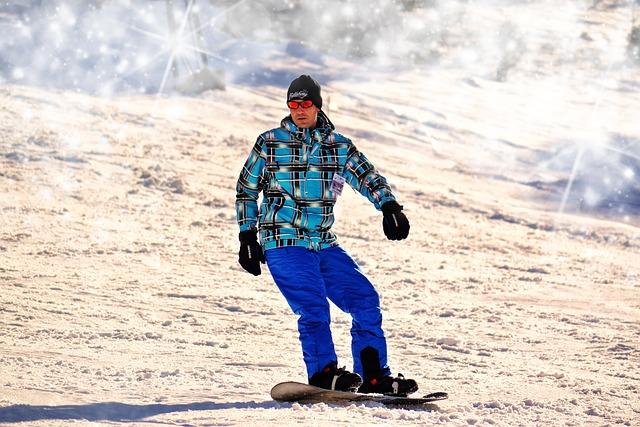
Understanding the Importance of Core Strength in Snowboarding
Building core strength is essential for snowboarders seeking improved stability, control, and injury prevention on the slopes. A strong core is the foundation of balance and agility, allowing you to make quick adjustments and maintain posture during dynamic movements. By focusing on core development, you can enhance your ability to absorb shocks and reduce the risk of falls, leading to a more enjoyable and safe snowboarding experience.
- Balance: A robust core helps in maintaining balance when navigating uneven terrains or executing complex maneuvers.
- Stability: Strengthening your core provides a solid base, reducing wobbling and enhancing overall stability.
- Flexibility: A flexible core allows for a greater range of motion, which is crucial for executing turns and tricks.
- Injury Prevention: A strong core supports your spine and reduces the likelihood of strains or injuries from falls.
Embrace exercises like planks, Russian twists, and leg raises to cultivate core strength. Incorporating these into your routine will not only boost your performance on the board but also contribute to overall physical well-being.
Effective Core Exercises to Enhance Your Snowboarding Skills
To carve smoothly down the slopes and maintain your balance amidst the snowy thrills, a strong core is your secret weapon. Embrace exercises that target your midsection to boost your snowboarding prowess. Incorporating these movements into your routine will enhance your stability and control, allowing you to handle turns and tricks with greater ease. Here are some effective exercises to get you started:
- Planks: A classic for a reason, planks help build endurance in your core muscles. Start with a basic forearm plank and progress to side planks for a comprehensive workout.
- Russian Twists: This exercise not only targets the obliques but also improves rotational strength, crucial for dynamic movements on the board.
- Bird Dogs: By engaging both the abs and lower back, bird dogs enhance core stability, which is essential for maintaining balance on uneven terrain.
- Leg Raises: Strengthen your lower abs with leg raises, an exercise that also supports hip flexibility, helping you maneuver with ease.
Integrating these exercises into your fitness regime will not only make you a more confident snowboarder but also ensure a safer ride, reducing the risk of injuries. Consistency is key, so aim to perform these exercises a few times a week for optimal results.

Incorporating Balance Training for Improved Stability on the Slopes
Incorporating balance training into your routine can significantly enhance your stability and control on the slopes, ensuring a safer snowboarding experience. Balance exercises focus on strengthening your core and improving your proprioception, which is your body’s ability to sense its position in space. A well-tuned proprioceptive system allows for better coordination and quicker reflexes, crucial when navigating challenging terrains.
- Balance Board Drills: Utilize a balance board to simulate the dynamic movements of snowboarding. Practice standing on the board and performing gentle tilts side to side or front to back. This not only strengthens your core but also mimics the shifting weight required on the slopes.
- Single-Leg Stands: Stand on one leg for 30 seconds to a minute, gradually increasing the time as you improve. To add difficulty, try closing your eyes or standing on a soft surface. This exercise enhances your ankle stability and core strength, vital for maintaining balance during quick turns.
- Yoga and Pilates: Incorporate poses such as the tree pose or pilates exercises like the hundred to engage your core muscles and improve your overall balance. These disciplines offer a holistic approach to building the stability and flexibility needed for snowboarding.
By regularly engaging in these balance-focused exercises, you’ll develop a more responsive and robust core, allowing for smoother, more confident rides down the mountain. Embrace the challenge and enjoy the process of becoming a more agile and stable snowboarder.
Developing a Consistent Core Workout Routine for Long-Term Safety
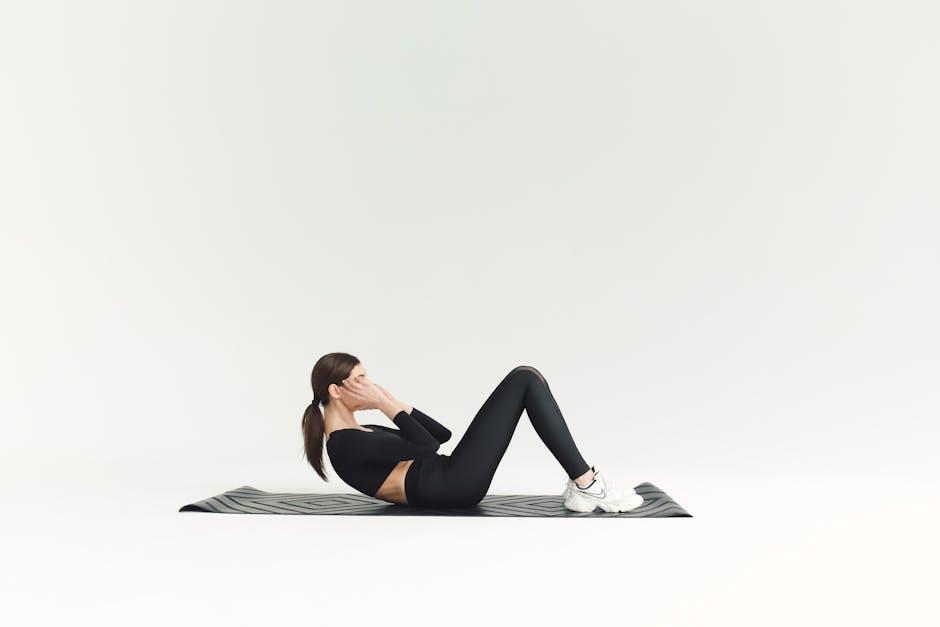
Building a reliable core workout routine is essential for snowboarders looking to enhance their performance and ensure safety on the slopes. A consistent regimen not only improves balance and stability but also protects against injuries by strengthening the muscles that support your spine and pelvis. To create a balanced routine, focus on incorporating exercises that target the major muscle groups of the core, such as the rectus abdominis, obliques, and transverse abdominis. Remember to adjust the intensity and complexity of the exercises as your strength improves to avoid plateaus and keep your workouts engaging.
- Planks: Engage your entire core by holding a plank position, keeping your body in a straight line from head to heels.
- Russian Twists: Enhance rotational strength by sitting on the ground with knees bent, leaning back slightly, and twisting your torso from side to side.
- Bicycle Crunches: Target your obliques by lying on your back, pedaling your legs in the air while reaching your opposite elbow towards each knee.
- Mountain Climbers: Boost your cardiovascular endurance and core stability by rapidly alternating knee drives towards your chest in a high plank position.
Consistency is key, so aim to integrate these exercises into your routine at least three times a week. Not only will this build a resilient core, but it will also enhance your overall snowboarding experience by giving you the confidence to tackle any terrain with ease and agility.