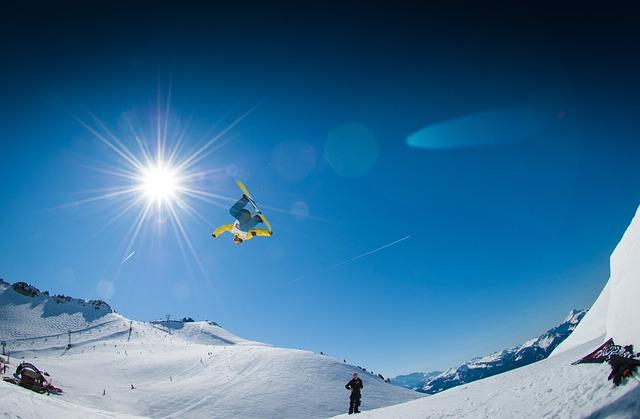
Freestyle snowboarding, a captivating blend of athleticism, creativity, and daring, has become a centerpiece of the Winter Olympic Games. This exhilarating sport, which combines elements of surfing, skateboarding, and skiing, has a rich and dynamic history that reflects broader trends in both winter sports and Olympic competition. Since its introduction to the Olympic roster, freestyle snowboarding has undergone significant evolution, marked by innovative techniques, groundbreaking performances, and an ever-expanding global fan base. This article delves into the origins and development of freestyle snowboarding within the Winter Olympics, tracing its journey from the fringes of winter sports to its current status as a thrilling Olympic spectacle. By examining key milestones, influential athletes, and the impact of technological advancements, we aim to provide a comprehensive overview of how freestyle snowboarding has shaped, and been shaped by, the Olympic movement.
Origins and Evolution of Freestyle Snowboarding in the Olympic Games
The journey of freestyle snowboarding into the Winter Olympics is a tale of rebellion, creativity, and acceptance. Emerging from the counterculture of the 1960s and 70s, snowboarding was initially viewed with skepticism by traditional ski resorts. However, its popularity soared through the 1980s and 90s, fueled by the adventurous spirit of athletes who sought to express their individuality on the slopes. This dynamic sport, characterized by its aerial acrobatics and innovative tricks, eventually caught the attention of the International Olympic Committee. In 1998, snowboarding made its Olympic debut in Nagano, Japan, marking a significant milestone as it introduced both the Giant Slalom and Halfpipe events. These events highlighted the sport’s unique blend of artistry and athleticism, setting the stage for its evolving role in the Olympic landscape.
- 2006 Turin Olympics: The introduction of the Snowboard Cross event added a thrilling, competitive edge.
- 2014 Sochi Olympics: Slopestyle was added, showcasing riders’ skills on a course with various obstacles.
- 2018 PyeongChang Olympics: The Big Air event debuted, emphasizing high-flying tricks and creativity.
Over the years, freestyle snowboarding has evolved not only in terms of competition formats but also in its cultural significance. It continues to push the boundaries of what’s possible, captivating audiences worldwide with its blend of style, speed, and daring feats. The sport’s inclusion and expansion within the Winter Olympics underscore its transformation from an outsider pastime to a celebrated global event.
Pioneering Athletes and Their Impact on the Sports Development
Freestyle snowboarding, a sport synonymous with creativity and daring, owes much of its development to the visionary athletes who have continually pushed its boundaries. Shaun White, often referred to as the “Flying Tomato,” redefined what was possible on the halfpipe with his technical prowess and flair. His influence extends beyond his Olympic victories, inspiring a new generation of snowboarders to approach the sport with innovation and fearlessness. Similarly, Kelly Clark, with her groundbreaking career and advocacy for women in snowboarding, has left an indelible mark on the sport’s evolution, championing equal opportunities and encouraging young female athletes to pursue their snowboarding dreams.
- Innovative Techniques: Pioneers like White introduced complex tricks such as the Double McTwist 1260, raising the bar for competitive snowboarding.
- Gender Equality: Clark’s efforts have significantly contributed to the increased visibility and support for female snowboarders in the Winter Olympics.
- Cultural Influence: These athletes have not only excelled in their sport but have also shaped the cultural perception of snowboarding, making it more mainstream and accessible.
The impact of these trailblazers is evident in the growing diversity and complexity of freestyle snowboarding events at the Winter Olympics, where each competition season witnesses new records and astonishing performances, inspired by their pioneering spirit.

Technical Innovations and Their Influence on Competitive Performance
Freestyle snowboarding, a discipline that marries athletic prowess with creativity, has been significantly shaped by technical innovations over the years. These innovations have not only redefined the sport but also elevated the competitive performance of athletes on the Olympic stage. High-tech snowboard materials, such as carbon fiber and Kevlar, have revolutionized board design, offering enhanced flexibility and durability that allow riders to execute complex tricks with greater precision. Advanced binding systems have further contributed to performance by providing better control and stability, enabling athletes to push the boundaries of what is possible in the halfpipe and slopestyle events.
- Wearable Technology: Smart helmets and impact sensors provide real-time data, helping athletes refine their techniques and improve safety.
- Training Simulators: Virtual reality and motion capture technologies offer innovative training environments, allowing riders to practice and perfect their routines without the constraints of weather or location.
- Aerodynamic Gear: Enhanced outerwear reduces drag, allowing snowboarders to achieve higher speeds and more airtime during jumps.
These advancements have not only fostered a new level of athletic excellence but have also transformed freestyle snowboarding into a spectacle of technical mastery and artistic expression, captivating audiences worldwide during the Winter Olympics.
Strategic Recommendations for Aspiring Olympic Freestyle Snowboarders
To excel in the exhilarating world of Olympic freestyle snowboarding, aspiring athletes must adopt a multifaceted approach that emphasizes both physical and mental preparation. Consistent training is paramount; athletes should dedicate time to mastering foundational techniques while also experimenting with innovative tricks that push the boundaries of the sport. Incorporating cross-training exercises such as strength conditioning and flexibility routines can enhance performance and prevent injuries.
- Embrace Versatility: Diversify your skills across different styles like slopestyle and halfpipe to increase your competitive edge.
- Mental Resilience: Cultivate a strong mindset through visualization and mindfulness practices to handle the pressures of competition.
- Networking and Mentorship: Connect with seasoned professionals for guidance and insights into the nuances of Olympic-level competition.
- Stay Informed: Keep abreast of the latest developments in snowboarding technology and technique to remain at the forefront of the sport.
aspiring snowboarders should immerse themselves in the Olympic community, participating in workshops and events to gain exposure and experience. By combining these strategic elements, athletes can carve a path to success in the high-stakes arena of freestyle snowboarding at the Winter Olympics.