Skateparks have long been a hub of creativity and athleticism, where skaters of all ages come together to hone their skills and express themselves through movement. As these vibrant spaces continue to gain popularity, the conversation surrounding safety regulations has taken center stage. While some enthusiasts cherish the freedom and spontaneity that skateparks offer, others advocate for enhanced safety measures to ensure the well-being of all participants. This article delves into the crucial question: should skateparks have more safety regulations? By exploring the potential benefits of increased safety protocols, we aim to foster an environment where skaters can thrive, combining the thrill of the sport with the assurance of safety. Join us as we navigate this important discussion, envisioning a future where skateparks are not only exhilarating but also secure spaces for everyone.
Evaluating Current Safety Standards in Skateparks
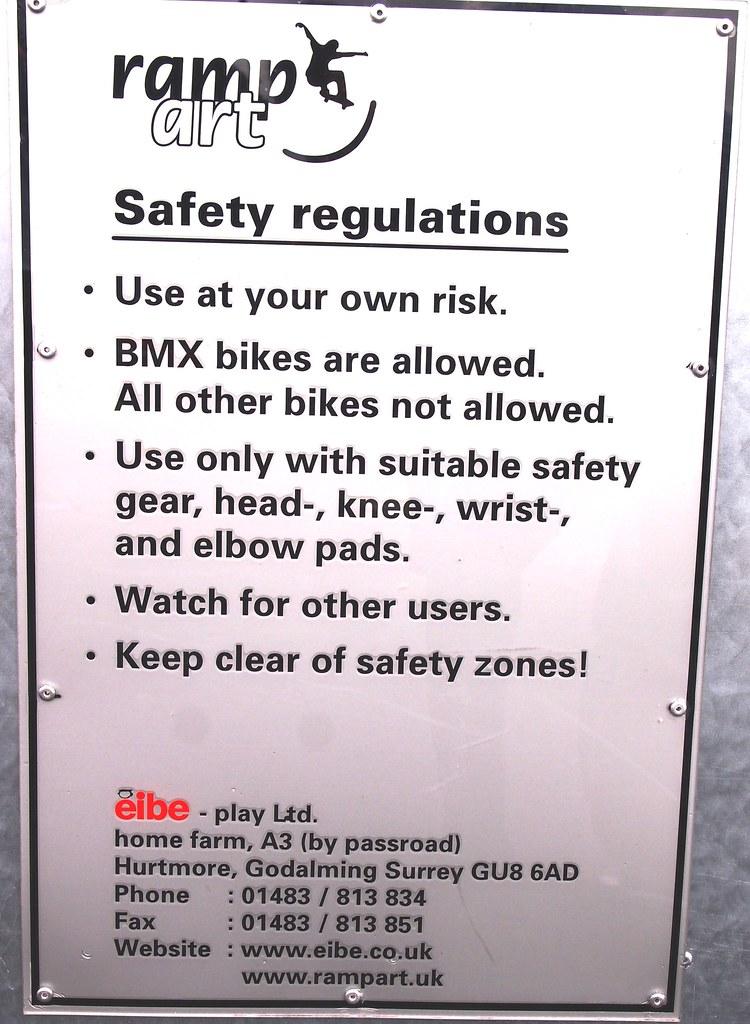
When examining the current protocols in place for ensuring the safety of skatepark enthusiasts, it’s crucial to assess whether these measures are adequately protecting users or if there’s room for improvement. Skateparks are vibrant hubs of creativity and athleticism, yet they also present inherent risks. Safety standards often include basics such as proper signage, regular maintenance checks, and supervised sessions. However, some advocates argue that more comprehensive regulations could significantly enhance user protection.
Key considerations for bolstering safety could include:
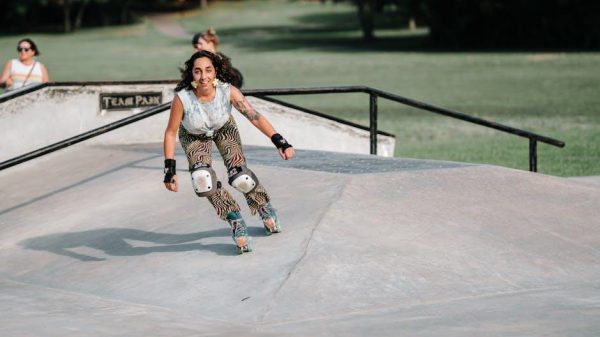
- Implementing advanced protective gear requirements for all users, such as helmets and pads.
- Establishing skill-level zones to ensure beginners are not overwhelmed by more experienced skaters.
- Introducing structured educational programs that teach both the technical skills and safety awareness necessary for skatepark activities.
- Enhancing lighting and visibility in and around skatepark areas to reduce accidents during evening hours.
By taking these additional steps, skateparks can continue to be exciting yet safer environments, encouraging more individuals to engage in this dynamic sport.
Innovative Approaches to Enhance Safety Measures
In the dynamic world of skateboarding, enhancing safety measures requires a blend of creativity and practicality. Skateparks, being vibrant hubs for enthusiasts, can greatly benefit from innovative safety enhancements. Imagine skateparks equipped with smart technology that monitors usage patterns, providing real-time feedback to skaters about overcrowded areas or high-risk zones. This could be implemented through sensors embedded in the infrastructure, ensuring that skaters are aware of potential hazards before they even start their tricks.
Another approach is to focus on community engagement and education. Consider the impact of hosting workshops and training sessions that emphasize safe skating techniques and the importance of protective gear. By fostering a culture of safety, skaters themselves become advocates for responsible riding. Additionally, providing well-marked zones within the park for different skill levels ensures that beginners and experienced skaters can coexist safely. Here’s how these strategies could be implemented:
- Smart monitoring systems to track usage and identify risks
- Educational workshops to promote safety awareness
- Skill-level designated areas to prevent collisions and injuries
- Collaborative design efforts involving skaters in planning safety features
By integrating these forward-thinking strategies, skateparks can become safer and more enjoyable environments for everyone involved.
Empowering Skaters Through Education and Awareness
In the world of skateboarding, safety is paramount, and empowering skaters with the right education and awareness can make a significant difference. Skateparks, as vibrant hubs of creativity and athleticism, can be enhanced with thoughtful safety regulations that do not stifle the freedom and spirit of the sport. Here are some key elements that could contribute to safer skateparks:
- Proper Signage: Clear and informative signs can guide skaters of all levels on park etiquette, potential hazards, and emergency procedures.
- Educational Workshops: Hosting regular workshops led by experienced skaters can help newcomers learn essential skills and safety techniques.
- Equipment Checks: Regular inspections of ramps and rails ensure that the infrastructure remains safe and well-maintained.
- Community Involvement: Encouraging a culture of looking out for one another can foster a supportive environment where skaters feel responsible for each other’s safety.
By implementing these measures, skateparks can become even more inclusive and welcoming spaces. With the right balance of regulation and freedom, skaters can enjoy their sport while minimizing risks, allowing everyone to focus on what truly matters: the joy of skating.
Collaborative Efforts for a Safer Skatepark Environment
Fostering a secure environment in skateparks is a collective responsibility that involves skaters, park designers, local communities, and city officials. Collaboration is key to achieving a balance between freedom of expression and safety. By engaging in open dialogues and workshops, stakeholders can share insights and propose innovative solutions that respect both the thrill of skating and the necessity of safety.
- Community Involvement: Encourage local skaters to participate in safety audits and provide feedback on existing park conditions.
- Design Improvements: Work with architects and skaters to design parks that minimize risk without compromising fun.
- Education Initiatives: Implement programs to educate skaters on safe practices and the importance of protective gear.
- Regular Maintenance: Collaborate with local authorities to ensure parks are regularly inspected and well-maintained.
By prioritizing these collaborative efforts, skateparks can become not only safer but also more inclusive and welcoming environments for skaters of all skill levels. Emphasizing partnership and proactive measures can lead to a thriving skateboarding culture that values both adventure and safety.