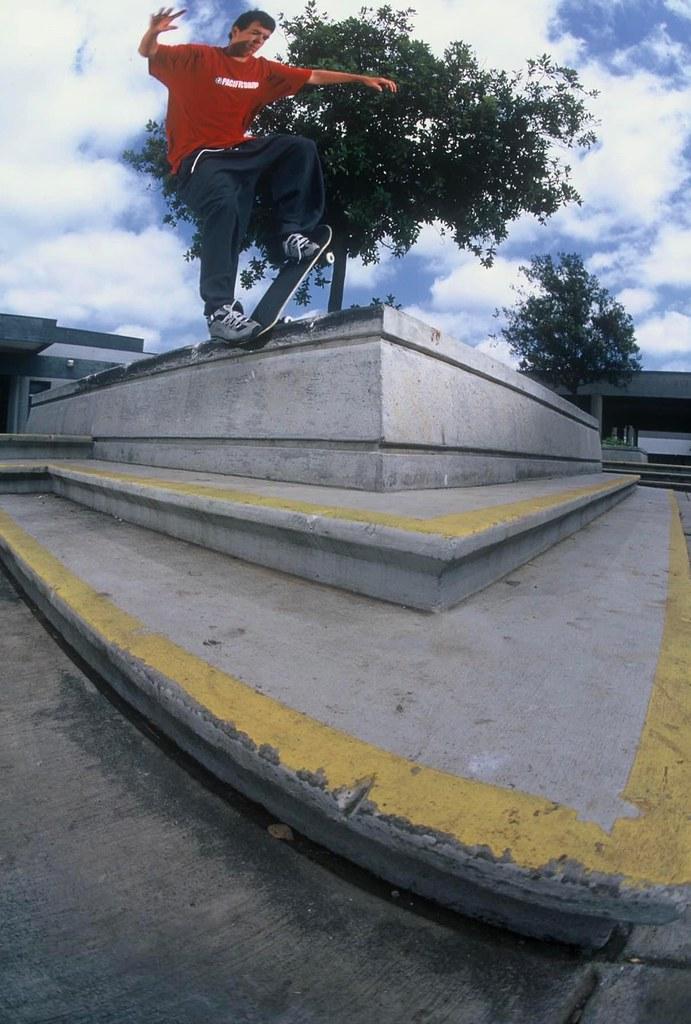
In recent years, skateboarding has surged in popularity, transcending its roots as a countercultural activity to become a globally recognized sport, even making its debut in the 2020 Tokyo Olympics. As educators and policymakers strive to diversify physical education programs and engage students with a variety of interests, the question arises: should skateboarding be taught in schools as a sport? Integrating skateboarding into school curriculums not only offers an innovative approach to physical education but also provides unique opportunities for personal growth, creativity, and community building. This article explores the potential benefits and challenges of incorporating skateboarding into school sports programs, highlighting how this dynamic activity can inspire students to embrace a more active lifestyle and develop essential life skills. Skateboarding in Educational Settings”>
Exploring the Benefits of Skateboarding in Educational Settings
Imagine the thrill of a skateboard gliding across a schoolyard, the wind in your face, and the sense of balance and control. Incorporating skateboarding into school sports programs offers a myriad of benefits, blending physical activity with essential life skills. Skateboarding fosters creativity, encouraging students to express themselves through unique tricks and styles. This sport also enhances problem-solving abilities as students learn to navigate obstacles and develop new techniques.
Furthermore, skateboarding is an excellent way to promote physical health. It improves cardiovascular fitness, strengthens muscles, and boosts coordination. Beyond the physical benefits, skateboarding can help build a sense of community and inclusivity. It breaks down social barriers and encourages students from diverse backgrounds to come together and share a common passion. Additionally, skateboarding instills perseverance and resilience, teaching students to learn from falls and failures, and inspiring them to get back up and try again.
- Creativity: Encourages unique self-expression.
- Problem-Solving: Develops strategic thinking.
- Physical Health: Enhances fitness and coordination.
- Community Building: Fosters inclusivity and teamwork.
- Perseverance: Teaches resilience and determination.
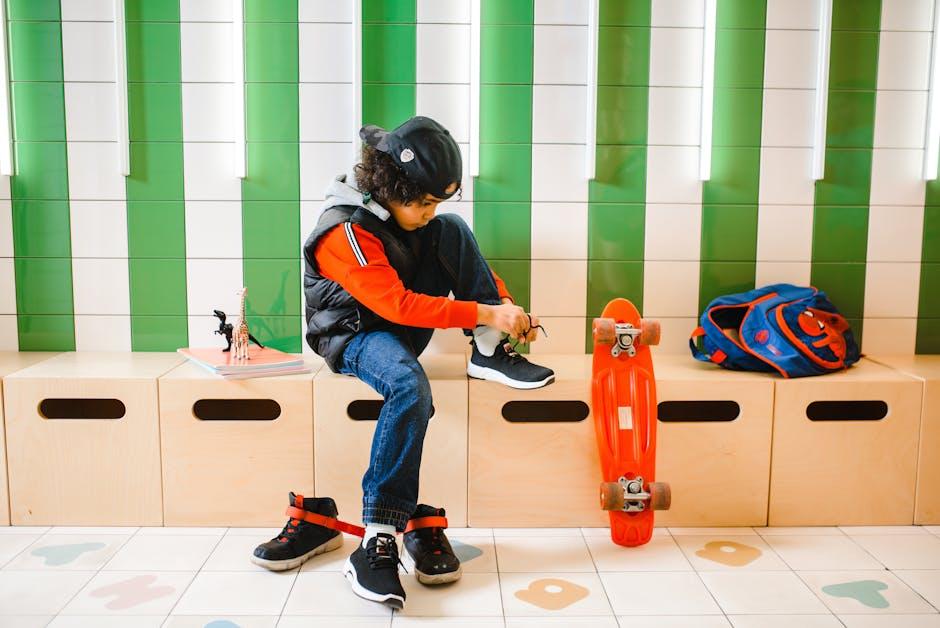
Integrating Skateboarding into School Curriculums for Holistic Development
Incorporating skateboarding into school programs offers an innovative approach to fostering holistic development among students. By embracing this dynamic sport, schools can encourage physical fitness, creativity, and emotional resilience. Skateboarding isn’t just about performing tricks; it’s a form of self-expression and a way to build confidence. As students learn to balance and maneuver their boards, they develop core strength, coordination, and perseverance. The process of mastering a new trick teaches them the value of practice and patience, translating into improved problem-solving skills in other academic areas.
- Physical Fitness: Skateboarding promotes cardiovascular health, agility, and strength.
- Creativity and Expression: Each student’s style can be unique, fostering individuality and artistic expression.
- Resilience and Perseverance: Overcoming challenges in skateboarding builds mental toughness and determination.
- Community and Social Skills: Encourages teamwork and collaboration through group activities and events.
By integrating skateboarding into the curriculum, educators can create an engaging and inclusive environment where every student can thrive. This approach not only enriches the traditional educational framework but also prepares students for a well-rounded future.
Creating Safe and Inclusive Skateboarding Programs in Schools
Incorporating skateboarding into school sports programs offers a unique opportunity to foster a sense of community, creativity, and physical fitness among students. To ensure these programs are safe and inclusive, it’s essential to adopt a comprehensive approach that caters to diverse needs and skill levels. Begin by selecting qualified instructors who can provide guidance not only on techniques but also on the importance of safety gear. Schools should invest in quality skateboarding equipment and maintain facilities that adhere to safety standards, minimizing risks and encouraging participation from students of all backgrounds.
Creating an inclusive environment means recognizing and celebrating the diversity within the student body. Schools can encourage participation by offering skateboarding as an elective sport, ensuring it is accessible to everyone regardless of gender, ability, or socioeconomic status. Implement initiatives such as:
- Beginner workshops to build confidence and fundamental skills.
- Mentorship programs pairing experienced skaters with newcomers.
- Flexible scheduling to accommodate students’ varying commitments.
By promoting skateboarding as a sport that values creativity and individuality, schools can cultivate a supportive community where students feel empowered to express themselves and learn from each other.
Guidelines for Successfully Implementing Skateboarding as a School Sport
Successfully introducing skateboarding into the school sports curriculum requires thoughtful planning and execution. Here are some key guidelines to consider for a smooth implementation:
- Infrastructure and Equipment: Ensure the availability of safe and suitable spaces, such as skate parks or designated areas, and provide quality equipment like helmets, pads, and skateboards.
- Qualified Instructors: Hire or train coaches with extensive skateboarding experience who can teach students not only techniques but also safety measures and skateboarding etiquette.
- Inclusive Curriculum: Develop a curriculum that caters to different skill levels, allowing beginners to learn basics while challenging advanced students with complex tricks and techniques.
- Safety Protocols: Establish comprehensive safety guidelines and emergency procedures to ensure student well-being during practice and competitions.
- Community Engagement: Involve parents, local skateboarding communities, and sponsors to foster a supportive environment and provide additional resources.
By addressing these areas, schools can create a nurturing environment that encourages students to embrace skateboarding, promoting physical fitness, creativity, and resilience.