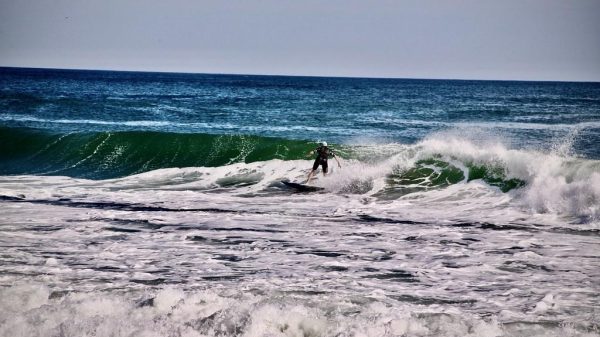
Beneath the exhilarating rush of waves crashing onto the golden shores, a delicate world teeters on the brink of silence. The famous surf spots, like the iconic Pipeline in Hawaii, have long been sanctuaries for thrill-seekers and ocean lovers, where legends carve their stories into the face of the ocean. Yet, beneath the surface, another narrative unfolds—one of fragility and resilience, as vibrant coral reefs, the silent architects of marine life, face unprecedented threats. As the sun casts its golden hues over these aquatic arenas, a pressing question emerges: should these renowned surf havens be closed to safeguard the underwater kingdoms that lie beneath? Join us as we dive deep into this intricate tapestry of adventure and conservation, exploring the balance between human passion and nature’s plea for preservation.
Surfing the Fine Line Balancing Adventure and Conservation
In the vibrant dance between surfers and the ocean’s rhythms, there lies a delicate balance—the allure of adventure against the necessity of preservation. Some argue that closing iconic surf spots like Pipeline is crucial to safeguarding the fragile coral ecosystems that lie beneath the waves. These living structures, though resilient in their own right, are increasingly vulnerable to human activity and climate change. By limiting access, we might offer a reprieve, a chance for these underwater gardens to rejuvenate and continue their silent symphony of biodiversity.
- Coral Reefs as Ecosystem Engineers: They support a myriad of marine life, providing habitat, food, and protection.
- Impact of Surfing: Frequent surf activity can lead to physical damage and stress on coral structures.
- Conservation Measures: Temporary closures, designated zones, and eco-friendly surf practices can offer solutions.
Yet, the soul of surfing is inherently tied to exploration and communion with nature. The challenge lies in crafting a future where adventure and conservation are not at odds but harmoniously coexist. By fostering a community that champions sustainable practices, surfers can become stewards of the sea, ensuring that the thrills of today do not compromise the treasures of tomorrow.
The Hidden Cost of Waves Understanding the Impact on Coral Reefs
While the thrill of surfing legendary waves is undeniable, it’s crucial to delve into the less visible repercussions these waves have on the delicate coral ecosystems beneath. Coral reefs, often referred to as the rainforests of the sea, face an array of threats, from climate change to pollution. However, the impact of surf-related activities is a frequently overlooked factor. The constant churning and pounding of waves can lead to physical damage to the coral structures, while the influx of surfers and their equipment can introduce harmful pollutants and disrupt the natural balance of these underwater habitats.
- Physical Damage: Repeated wave action can cause breakage of coral branches, leading to long-term degradation.
- Pollution: Sunscreen and other chemicals from surfers can leach into the water, contributing to coral bleaching.
- Disruption of Marine Life: Increased human activity can disturb the marine organisms that call these reefs home, affecting biodiversity.
Given these factors, the debate around closing renowned surf spots to protect coral reefs is gaining momentum. While it might seem drastic, such measures could serve as vital steps in preserving these underwater treasures for future generations.

Preserving Paradise How Closures Could Safeguard Marine Life
In the delicate dance between humans and nature, the notion of closing iconic surf spots like Pipeline sparks both intrigue and debate. On one hand, these legendary waves are a mecca for surfers worldwide, offering an adrenaline rush against a backdrop of stunning marine biodiversity. Yet, beneath these exhilarating swells lies a fragile ecosystem, where coral reefs are the unsung heroes, nurturing a plethora of marine life.
Protecting these underwater paradises might just require temporary closures, a strategy that offers a breathing space for recovery. Consider these potential benefits:
- Reef Regeneration: Allowing corals to heal from the impacts of human activity, such as pollution and physical damage.
- Biodiversity Boost: Creating a sanctuary for fish and other marine species, promoting a balanced and thriving ecosystem.
- Eco-tourism Opportunities: Transforming protected areas into educational hubs for sustainable tourism.
Implementing these closures with strategic planning and community involvement could turn the tide in favor of preservation, ensuring that the vibrant underwater landscapes endure for generations to come.
Riding the Wave of Change Proactive Measures for a Sustainable Future
Surfing enthusiasts are drawn to legendary breaks like Pipeline for their unmatched thrill and beauty, but the very waves that entice them also threaten the delicate coral ecosystems beneath. As the world increasingly turns its attention to environmental conservation, the question arises: could temporary closures of these famous surf spots be a proactive step toward a sustainable future? Protecting coral reefs is not just about preserving marine biodiversity; it’s about ensuring the longevity of the sport itself. Without healthy reefs, the wave dynamics that create iconic surf spots could be forever altered.
- Environmental Impact: Reefs are critical to ocean health, acting as barriers that protect coastlines from erosion and providing habitats for countless marine species.
- Tourism Pressure: Popular surf spots attract not only surfers but also tourists, increasing the risk of pollution and physical damage to the reef structures.
- Long-term Benefits: A temporary closure could allow for natural regeneration, potentially leading to more resilient reefs and better surfing conditions in the future.
While the idea may initially meet resistance from the surfing community, fostering a culture of respect and stewardship for our oceans could inspire innovative solutions. Imagine a world where surfers are not only riding waves but also leading the charge in ocean conservation. By considering the health of our coral reefs, we may ensure that future generations will continue to experience the magic of places like Pipeline, not just as surf spots, but as vibrant marine sanctuaries.
Future Outlook
As the sun dips below the horizon, casting a golden glow over the rolling waves, the question lingers like the salty breeze—should the legendary surf spots, the hallowed grounds of the surfing world, be closed to protect the fragile coral reefs beneath? This is not just a call to action but a call to consciousness, urging us to ride the wave of change with respect for the ocean’s delicate balance. Whether we choose to preserve these natural wonders through restricted access or innovative conservation strategies, the decision ultimately reflects our commitment to the planet and its future. So, as we stand at this crossroads, let us be guided by the rhythm of the sea, ensuring that both the thrill of the surf and the vibrant life below continue to coexist in harmony. The choice is ours, and the time is now—let’s make it count.