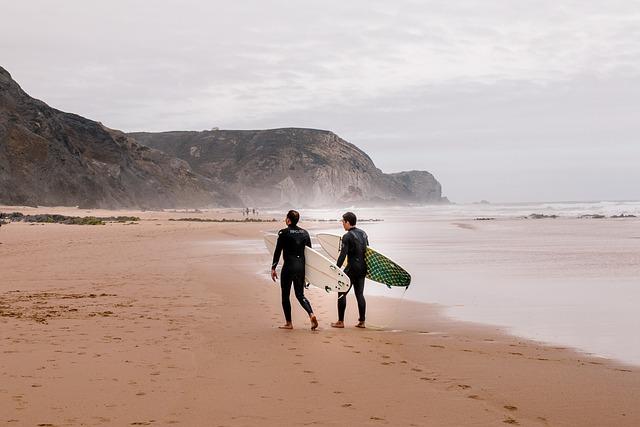
Surfing is a journey, not just a sport, and for intermediate surfers, finding the perfect wave can transform a good day into an unforgettable adventure. Whether you’ve just mastered the basics or are fine-tuning your skills, discovering the best surf spots tailored to your abilities is essential for progression and enjoyment. This guide is designed to equip you with the knowledge and confidence to seek out those ideal breaks that offer the right mix of challenge and fun. From understanding wave dynamics to tapping into local surf communities, we’ll explore various strategies to help you ride the crest of your surfing journey with optimism and excitement. So, grab your board, embrace the thrill of discovery, and let’s dive into the world of intermediate surf spots where the waves are waiting to elevate your surfing experience.
Researching Local Surf Communities and Resources
Finding the perfect wave often means diving into the heart of local surf communities. These groups are not just about catching waves but also about sharing knowledge and fostering camaraderie. Engage with local surfers and you’ll uncover hidden gems that are ideal for intermediate surfers. Start by visiting local surf shops and chatting with the staff, who are usually seasoned surfers with insider knowledge. Attend community events or surf competitions, where you can network with fellow enthusiasts. Consider joining local surf clubs or online forums where members share tips and surf reports.
Exploring available resources can significantly enhance your surfing experience. Check out local surf schools or instructors who often know the best spots that suit your skill level. Use surf forecasting websites and apps like Surfline or Magicseaweed to get real-time updates on wave conditions. These platforms can help you determine the best time and place to hit the waves. Don’t forget to consult local weather and tide reports for additional insights. Some essential resources include:
- Local Surf Shops: Great for gear and insider tips.
- Surf Schools/Instruction: Perfect for tailored advice and lessons.
- Online Surf Communities: Connect with fellow surfers for shared experiences.
- Forecasting Websites: Stay updated on wave and weather conditions.
By immersing yourself in the local surf culture and utilizing these resources, you’ll be well on your way to discovering the best surf spots tailored to your intermediate skill level. Happy surfing!
Understanding Wave Conditions and Weather Patterns
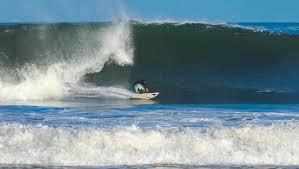
For intermediate surfers, the thrill of catching the perfect wave is often balanced by the need to understand the complex dance between wave conditions and weather patterns. Decoding these natural elements is key to enhancing your surfing experience and finding those elusive sweet spots. When evaluating potential surf locations, consider the following:
- Wave Size and Shape: Intermediate surfers should look for waves that are not too intimidating but offer enough challenge to improve skills. Typically, waves ranging from 3 to 6 feet are ideal.
- Wind Conditions: Light offshore winds are your best friends, as they help shape the waves and keep them from breaking too quickly. Avoid onshore winds, which tend to create choppy and unpredictable surf.
- Tide and Swell Direction: Different surf spots react differently to tides and swell directions. Research local tide charts and swell forecasts to find the best conditions for your chosen spot.
By honing your understanding of these factors, you can transform your surfing journey into a more rewarding adventure. Embrace the learning curve, and you’ll soon find yourself riding waves with greater confidence and joy.
Exploring Surf-Friendly Destinations Worldwide
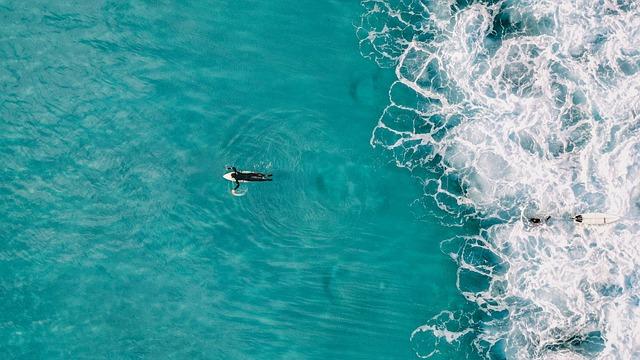
When searching for the perfect wave, intermediate surfers often seek destinations that offer a balance of challenge and accessibility. Portugal’s Peniche, for example, is a haven for those looking to improve their skills, offering consistent swells and a variety of breaks suitable for all levels. In Bali, Indonesia, the renowned Uluwatu Beach provides stunning reef breaks with reliable waves that allow intermediate surfers to test their mettle without overwhelming them. Meanwhile, the warm waters of Costa Rica’s Tamarindo offer a friendly surf culture and a range of breaks, making it an ideal spot for those looking to hone their technique while enjoying the vibrant local scene.
When planning your next surf adventure, consider the following key factors:
- Wave Consistency: Choose locations known for reliable wave patterns throughout the year.
- Variety of Breaks: Opt for spots offering both beach and reef breaks to diversify your experience.
- Local Surf Culture: Embrace destinations with a supportive surf community to enhance your learning.
- Weather Conditions: Ensure the climate suits your preferences for an enjoyable stay.
By taking these elements into account, you’ll be well on your way to discovering surf-friendly destinations that cater to your skill level and passion for the sport.
Evaluating Equipment Needs for Optimal Performance
To truly enjoy the thrill of intermediate surf spots, it’s crucial to assess your equipment and ensure it matches your skill level and the unique demands of the waves you’ll encounter. Consider the following factors to optimize your performance:
- Board Selection: Choose a board that complements your ability to handle bigger waves and faster speeds. A versatile shortboard or a fish board can offer the maneuverability needed to tackle more challenging conditions.
- Wetsuit Requirements: Adapt to water temperatures by selecting the appropriate thickness for your wetsuit. A well-fitted suit not only keeps you warm but also allows for greater flexibility and comfort.
- Leash Length: Opt for a leash that provides enough length to keep your board close but not too long to cause drag. This balance ensures safety and efficiency as you navigate intermediate breaks.
By carefully evaluating these equipment needs, you’ll be better prepared to harness the full potential of each surf session, ensuring both safety and enjoyment as you explore new intermediate surf spots.