Choosing the perfect surfboard fins is an often underestimated yet critical aspect of optimizing your surfing performance. While the surfboard itself is the centerpiece of any surfing setup, the fins play a pivotal role in determining how the board maneuvers, providing stability, control, and speed. This article delves into the complexities of surfboard fins, offering a comprehensive guide to help you make informed decisions based on your unique surfing style and conditions. By examining the various fin configurations, materials, and sizes, we aim to demystify the selection process and empower you with the knowledge to enhance your surfing experience. Whether you are a seasoned professional seeking to refine your technique or a beginner eager to maximize your potential, understanding the intricacies of surfboard fins is essential for achieving peak performance on the waves.
Understanding Fin Types and Their Impact on Performance
Surfboard fins play a crucial role in determining your board’s performance, and understanding the different types can significantly enhance your surfing experience. Each fin type is designed to interact with the water in unique ways, influencing your speed, maneuverability, and stability. When selecting fins, consider factors such as size, shape, and material. Larger fins generally provide more control and are ideal for bigger waves, while smaller fins offer agility and are perfect for smaller surf. The shape, whether it’s a thruster, quad, or twin, affects your board’s handling characteristics, with thrusters offering a balance of control and speed, quads excelling in speed and grip, and twins providing a looser, more playful feel.
Materials also play a pivotal role in fin performance. Fiberglass fins are known for their durability and flexibility, making them a versatile choice for most conditions. Carbon fiber fins are lighter and stiffer, providing rapid acceleration and sharp turns, ideal for advanced surfers seeking performance. Plastic fins, while more affordable, offer less performance but are great for beginners. When choosing fins, consider your skill level, the types of waves you’ll be riding, and your personal surfing style. By understanding the impact of fin types on performance, you can tailor your setup to maximize your enjoyment and success on the waves.
Material Matters: Choosing the Right Construction for Durability and Flexibility
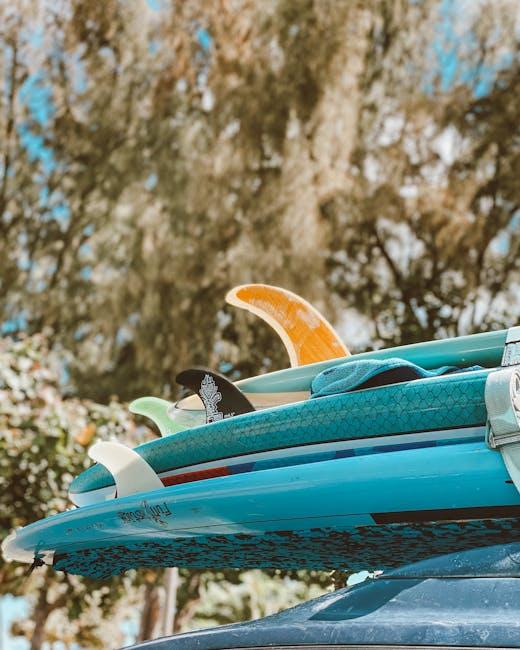
When selecting surfboard fins, the construction material plays a pivotal role in determining both durability and flexibility. Two common materials used are fiberglass and plastic. Fiberglass fins are renowned for their strength and performance, providing a responsive and rigid feel that is ideal for experienced surfers seeking precision. On the other hand, plastic fins offer a more forgiving and flexible experience, which can be beneficial for beginners or those looking for a more playful ride.
Consider the following when choosing your fins:
- Fiberglass: Best for high-performance surfing, these fins maintain shape under pressure and offer consistent speed.
- Plastic: More affordable and durable, suitable for casual surfing and learning new tricks without risking damage to your board.
Advanced hybrid materials such as carbon fiber composites are also available, offering a balance between the rigidity of fiberglass and the flexibility of plastic. These options are perfect for surfers looking to enhance their performance while maintaining some flexibility.
Analyzing Fin Size and Shape for Optimal Control and Speed
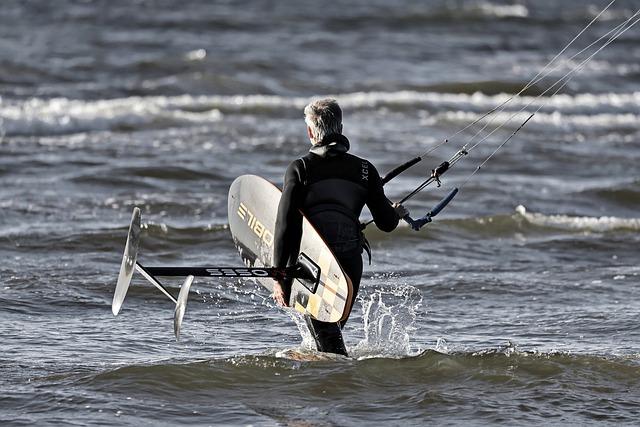
When it comes to maximizing your surfing performance, the size and shape of your surfboard fins play a crucial role in determining your speed and maneuverability. Larger fins provide more control and stability, especially in larger waves, while smaller fins offer increased speed and agility, making them ideal for quick turns and rapid maneuvers. Shape is equally important; a more curved fin enhances turning ability, while a straighter fin improves speed. Choosing the right combination can significantly enhance your surfing experience.
- Large Fins: Provide stability and control, suitable for larger waves.
- Small Fins: Offer speed and agility, perfect for quick maneuvers.
- Curved Shape: Enhances turning ability, ideal for dynamic surfing.
- Straight Shape: Maximizes speed, great for racing down the line.
To achieve optimal performance, consider the wave conditions you typically encounter and your personal surfing style. If you’re riding in smaller, choppier waves, a smaller, more curved fin might be your best bet. Conversely, for larger, more powerful waves, a larger, straighter fin could provide the control you need. Always remember, the right fin setup is pivotal in transforming your board’s handling and responsiveness, allowing you to push the boundaries of your surfing capabilities.
Expert Recommendations for Selecting the Ideal Fin Setup
When it comes to selecting the right fin setup for your surfboard, the insights of seasoned surfers and shapers can be invaluable. Experts often suggest considering your personal surfing style and the types of waves you typically encounter. For instance, if you’re an agile surfer who enjoys quick turns, a thruster setup could be ideal due to its balance of speed and maneuverability. Alternatively, a quad fin setup is frequently recommended for those seeking enhanced speed and hold in larger, more powerful waves.
Key factors to evaluate include:
- Wave Conditions: Match your fins to the surf conditions, opting for more drive in bigger waves or more flexibility in smaller conditions.
- Board Type: The shape and size of your surfboard can dictate fin compatibility, so ensure your fins complement the board’s design.
- Material and Flex: Fins made from fiberglass offer stiffness for speed, while plastic fins provide more flex for beginners.
By incorporating these expert-backed tips, you can tailor your fin selection to not only enhance your performance but also to elevate your overall surfing experience.