In the realm of longboarding, where precision and performance are paramount, the choice of trucks can significantly influence the rider’s experience. Whether you’re carving down a hill, navigating through city streets, or cruising along the boardwalk, the right set of longboard trucks is crucial for achieving optimal stability and smooth turning. This article delves into the intricacies of longboard trucks, offering an analytical perspective on the best options available for riders seeking both stability and agility. By examining factors such as construction materials, hanger width, baseplate angle, and bushing configurations, we aim to provide a comprehensive guide that empowers longboard enthusiasts to make informed decisions. Join us as we explore the top contenders in the market, evaluating their performance characteristics to identify the best longboard trucks that seamlessly blend stability with responsive turning capabilities.
Understanding Longboard Truck Anatomy for Optimal Stability
For longboard enthusiasts, understanding the intricate components of truck anatomy is crucial for achieving optimal stability. Longboard trucks are pivotal in defining your ride’s responsiveness and control. The key elements to focus on include the baseplate angle, hanger width, and bushing configuration. A lower baseplate angle, typically around 40-50 degrees, is preferable for enhanced stability, especially at high speeds. This angle provides a more linear response, reducing the risk of wobbles during downhill rides.
Another important factor is the hanger width, which should align with the width of your deck. A wider hanger offers more stability, making it ideal for beginners or those focusing on downhill stability. Conversely, a narrower hanger enhances maneuverability, which is beneficial for carving and turning. The bushing setup also plays a significant role; harder bushings offer more resistance, contributing to stability, while softer bushings allow for greater turning agility. When selecting your trucks, consider these elements to balance stability and turning prowess, ensuring a smooth and controlled ride.
- Baseplate Angle: Lower angles (40-50 degrees) for stability.
- Hanger Width: Wider hangers for stability, narrower for maneuverability.
- Bushing Configuration: Harder bushings for stability, softer for agility.

Key Features to Consider for Enhanced Turning Performance
When seeking to enhance turning performance in longboarding, it’s crucial to focus on several key features of the trucks. Pivot angle plays a significant role, with a higher angle typically offering sharper turns, while a lower angle provides more stability at high speeds. Bushings also contribute substantially; softer bushings allow for easier turns, whereas harder ones give more resistance, which can be beneficial for maintaining control during aggressive maneuvers.
Consider the truck width relative to your board’s width. Wider trucks offer more stability, but may limit the tightness of your turns, whereas narrower trucks allow for more agile movement. The baseplate material can impact weight and durability, with aluminum being a popular choice for its balance of strength and lightness. Lastly, ensure the kingpin is compatible with your riding style; reverse kingpins are favored for their responsiveness in carving and cruising. Prioritizing these features will ensure your longboard trucks provide the optimal balance between stability and agility.
Top Longboard Truck Models for Stability and Smooth Turns
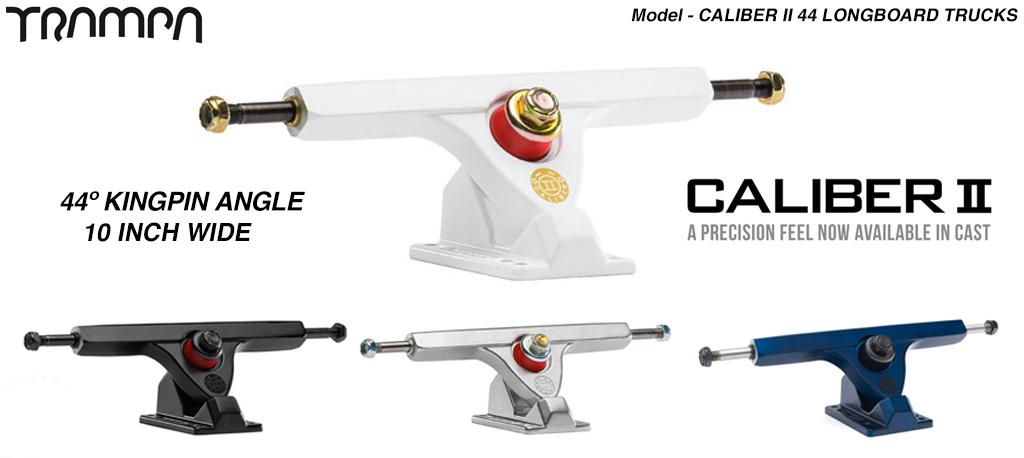
When it comes to choosing the right longboard trucks for both stability and smooth turns, several models stand out due to their precision engineering and innovative designs. Among the top contenders are the Caliber II Trucks, known for their 44-degree baseplate that offers a perfect balance between speed and control. These trucks are crafted with grade 8 steel kingpins, ensuring durability and performance even in the most demanding riding conditions.
Another exceptional option is the Paris V3 Trucks, which are lauded for their 50-degree baseplate that promotes agile turning while maintaining stability at high speeds. Featuring a reverse kingpin design, these trucks provide a more fluid ride, allowing for effortless carving and cruising. Additionally, the Bear Grizzly 852 Trucks with their 40-degree baseplate offer remarkable stability, making them ideal for downhill racing and freeride enthusiasts. The precision pivot cups and bushing seat in these models enhance responsiveness, ensuring that every turn feels smooth and controlled.
- Caliber II Trucks: 44-degree baseplate, grade 8 steel kingpins
- Paris V3 Trucks: 50-degree baseplate, reverse kingpin design
- Bear Grizzly 852 Trucks: 40-degree baseplate, precision pivot cups
Expert Recommendations for Choosing the Perfect Longboard Trucks
When selecting the ideal longboard trucks, it’s crucial to consider a few key factors to enhance both stability and turning performance. Truck width should align with your board’s width for optimal balance. Typically, the width of your trucks should be within a half-inch of your deck’s width. A wider truck offers more stability, while a narrower truck enhances maneuverability. Baseplate angle is another critical element; a higher angle (50 degrees) allows for sharper turns, whereas a lower angle (42 degrees) provides better stability at high speeds. Consider your riding style to make the best choice.
Additionally, the bushing hardness and shape can significantly affect your ride. Softer bushings yield better carving and turning, whereas harder bushings offer more stability and control at speed. Opt for a reverse kingpin design for longboards, as it provides a more responsive turning experience compared to traditional kingpins. Some expert-recommended truck brands to explore include:
- Caliber Trucks – Known for their precision and durability.
- Paris Trucks – Popular for their smooth turning and versatility.
- Bear Trucks – Favored for their stability and robust construction.
By focusing on these expert recommendations, you can fine-tune your setup to match your longboarding needs, ensuring a perfect balance between stability and agility.