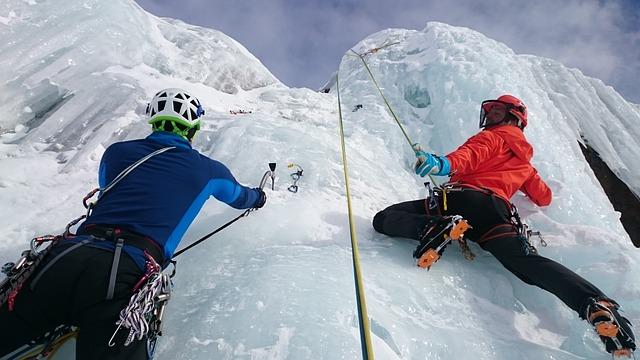
In recent years, the digital landscape has witnessed a burgeoning trend of extreme sports influencers capturing the imagination of millions worldwide. Through breathtaking stunts and adrenaline-pumping feats, these individuals have carved out a niche that merges the thrill of extreme sports with the viral potential of social media platforms. However, beneath the surface of this exhilarating content lies a critical question: Are these influencers inadvertently promoting reckless behavior in their pursuit of views and followers? As their popularity grows, so does the concern over the potential normalization of risky activities that may endanger both the influencers themselves and their impressionable audiences. This article delves into the dynamics of extreme sports influence, examining the delicate balance between showcasing extraordinary skills and the unintended encouragement of hazardous actions. By exploring the motivations behind such content and its impact on viewers, we aim to shed light on the ethical responsibilities that come with wielding such influence in the digital age.
The Rise of Extreme Sports Influencers and Their Impact on Audience Behavior
Extreme sports influencers have carved out a unique niche in the social media landscape, showcasing breathtaking feats that captivate millions. However, as these influencers push the boundaries of what is possible, they also walk a fine line between inspiring their audience and encouraging potentially hazardous behavior. A significant concern is the emulation effect, where followers attempt to replicate dangerous stunts without proper training or understanding of the risks involved. This has led to a growing trend of reckless behavior among younger audiences, who are particularly impressionable.
Several factors contribute to this phenomenon:
- Adrenaline Appeal: The thrill and excitement of extreme sports are inherently attractive, especially when combined with the allure of viral fame.
- Peer Pressure: As followers see their peers engage in risky activities, there is a heightened pressure to conform and gain social validation.
- Monetary Incentives: Influencers often monetize their content through sponsorships and ad revenue, leading some to prioritize views over safety.
While these influencers undeniably inspire many to lead more active lifestyles, it’s crucial for them to promote responsible practices and educate their audience on the importance of safety measures. Encouraging followers to seek professional guidance and understand the limits of their capabilities can help mitigate the risks associated with this rising trend.
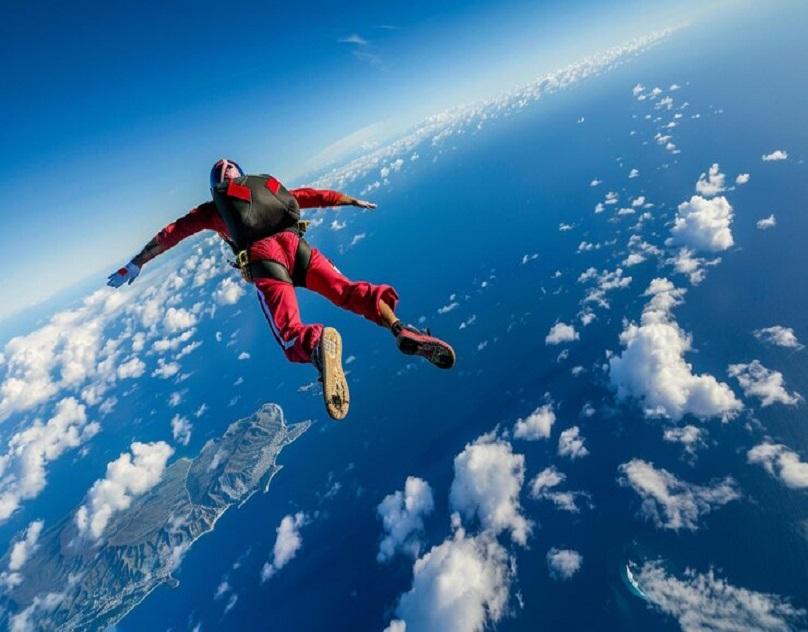
Analyzing the Psychological Appeal and Risks of Imitating Online Stunts
The allure of imitating online stunts often taps into a potent mix of psychological factors that drive individuals, particularly young audiences, to mimic extreme sports influencers. Adrenaline, peer recognition, and a desire for social validation are powerful motivators that can cloud judgment and lead to risky behaviors. These influencers present a curated reality where danger is often downplayed, creating an illusion of accessibility and safety. This distorted perception can encourage followers to replicate stunts without fully understanding the risks involved.
- Adrenaline Rush: The thrill of performing dangerous stunts can become addictive, pushing individuals to seek out increasingly perilous challenges.
- Peer Pressure: The desire to fit in or stand out within a social group can compel individuals to take risks they might otherwise avoid.
- Illusion of Expertise: Influencers often present themselves as experts, which can mislead followers into underestimating the complexity and danger of certain activities.
However, the psychological appeal is not without its risks. The potential for physical harm, legal consequences, and mental health issues looms large for those who engage in these activities without proper training or consideration of safety measures. The responsibility lies not only with the influencers, who should promote responsible behavior, but also with platforms that must regulate content to protect vulnerable audiences from potentially life-threatening actions.
Case Studies: When Viral Challenges Turn Dangerous
In recent years, the line between entertainment and endangerment has been blurred by the rise of viral challenges propagated by extreme sports influencers. These influencers, often with millions of followers, showcase stunts that push the boundaries of safety, leaving a trail of imitators in their wake. The allure of viral fame can overshadow the inherent risks, leading to an uptick in injuries and, in some tragic cases, fatalities. Studies indicate that the younger demographic, particularly those aged 13 to 24, are more susceptible to emulating these hazardous behaviors, driven by a desire to gain social media validation.
- Risk Normalization: Many followers perceive these stunts as achievable without understanding the professional training and safety measures involved.
- Peer Pressure: The social dynamics of platforms like TikTok and Instagram can compel individuals to partake in challenges to fit in or stand out.
- Lack of Regulation: Unlike traditional media, social media lacks stringent oversight, allowing dangerous trends to proliferate unchecked.
These cases underscore the urgent need for a balanced discourse on the role of influencers in shaping behavior. While the adrenaline-fueled world of extreme sports is undeniably captivating, the responsibility lies in ensuring that the pursuit of views does not compromise safety.
Implementing Responsible Content Creation and Consumption Guidelines
- Prioritize Safety: When crafting content, emphasize the importance of safety precautions and proper equipment. Influencers should demonstrate responsible behavior by showcasing thorough preparation and highlighting potential risks. This not only sets a positive example but also ensures that viewers are aware of the necessary measures to enjoy extreme sports safely.
- Promote Authenticity: Encourage influencers to share genuine experiences rather than sensationalized or exaggerated feats. Authentic content fosters a more realistic understanding of the sport and helps viewers appreciate the skill and discipline involved, rather than merely chasing adrenaline for views.
- Implement Content Warnings: Clearly label content that involves high-risk activities, so viewers can make informed decisions about what they choose to watch. This is particularly important for younger audiences who may be impressionable and eager to replicate what they see online without fully understanding the dangers.
Content creators hold significant sway over their audiences, and with that influence comes responsibility. By adhering to these guidelines, they can inspire a culture of respectful engagement and thoughtful participation in extreme sports. Additionally, platforms can support these efforts by rewarding content that aligns with these values, thus encouraging a shift towards more conscientious content creation and consumption.