
In a world where the thrill of adventure meets the urgency of environmental stewardship, the allure of extreme sports travel has become both a badge of honor and a point of contention. As adrenaline seekers carve paths through untouched landscapes and scale peaks that kiss the sky, a shadow looms large over their daring pursuits: the carbon footprint they leave behind. With climate change advancing like an unstoppable wave, the ethical implications of chasing the next big rush are coming under intense scrutiny. Is the exhilaration of conquering nature’s wildest challenges worth the environmental toll? Join us as we navigate the complex terrain of extreme sports travel and its tangled relationship with our planet’s future, exploring whether the quest for adventure is turning from a personal triumph into a global dilemma.
Thrill-Seeking vs. Planet Saving: The Carbon Dilemma of Extreme Sports
As adventurers chase adrenaline highs, the environmental impact of their pursuits often trails in their wake, leaving a carbon footprint that’s hard to ignore. Extreme sports enthusiasts frequently travel to remote locations, requiring long-haul flights, helicopters, or off-road vehicles, all of which contribute significantly to carbon emissions. The very essence of these sports is entwined with nature, yet the journey to reach pristine peaks or isolated surf breaks can paradoxically contribute to their degradation. The challenge lies in balancing the thrill of the experience with the responsibility to protect the planet.
- Travel Choices: Opting for sustainable transportation or choosing closer destinations.
- Equipment Use: Investing in eco-friendly gear and minimizing waste.
- Conscious Consumption: Supporting local communities and reducing reliance on imported goods.
While the call of the wild is powerful, a shift towards more sustainable practices is imperative. By rethinking travel habits and embracing eco-conscious alternatives, extreme sports enthusiasts can continue to seek thrills without compromising the planet’s health.
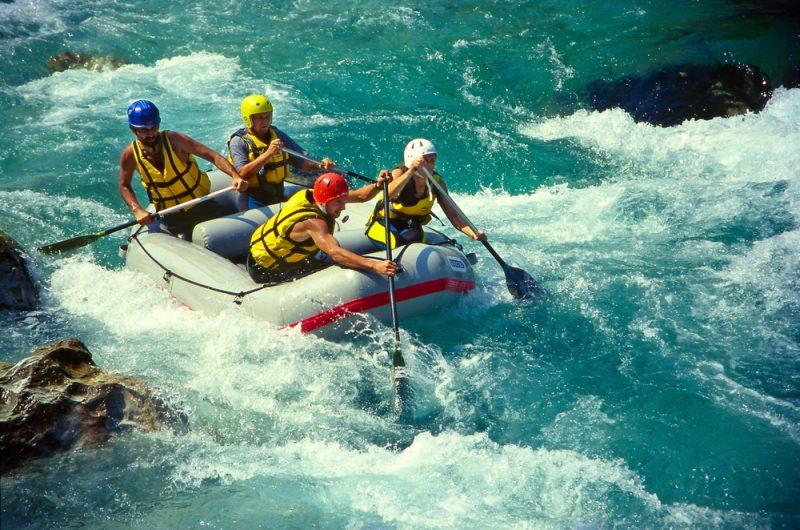
Unraveling the Carbon Footprint: How Adventure Tourism Impacts the Environment
In the exhilarating world of adventure tourism, where adrenaline meets awe-inspiring landscapes, a hidden cost looms large: the carbon emissions from travel and activities. Extreme sports travel, whether it’s scaling the world’s tallest peaks, diving into the depths of the ocean, or racing across remote terrains, often necessitates long-haul flights and energy-intensive gear. This results in a substantial carbon footprint, raising ethical concerns about the environmental impact of these pursuits.
Consider the following impacts of adventure tourism on our planet:
- Transportation: Frequent flights and long drives to reach secluded adventure spots significantly contribute to greenhouse gas emissions.
- Equipment and Gear: The production, maintenance, and transportation of specialized gear demand considerable energy resources.
- Local Ecosystems: The influx of tourists can disrupt local wildlife and ecosystems, exacerbating the carbon footprint further.
While the thrill of extreme sports is undeniable, it is crucial for enthusiasts and industry stakeholders to weigh these environmental costs. By embracing sustainable practices, such as carbon offset programs and eco-friendly gear, the adventure tourism sector can chart a path that respects both the planet and the passion for adventure.

Beyond the Adrenaline Rush: Ethical Considerations for Eco-Conscious Travelers
In the realm of extreme sports travel, the exhilarating blend of adrenaline and adventure often overshadows the environmental footprint left behind. Yet, as the planet grapples with the impacts of climate change, the ethical responsibility of thrill-seekers is under scrutiny. While the pursuit of heart-pounding experiences in remote landscapes is undeniably alluring, it is crucial to consider the carbon emissions generated by such activities. From long-haul flights to remote destinations to the use of fuel-powered equipment, each adventure carries an environmental cost.
Eco-conscious travelers are now faced with a moral dilemma. How can one indulge in the thrill of extreme sports without compromising their environmental ethics? The answer lies in making informed choices and adopting sustainable practices. Consider the following:
- Opt for local adventures: Reduce carbon emissions by exploring destinations closer to home.
- Choose eco-friendly gear: Invest in equipment made from sustainable materials.
- Support carbon offset programs: Compensate for your travel emissions by contributing to environmental projects.
- Engage in responsible tourism: Partner with tour operators committed to sustainability and conservation efforts.
By taking these steps, travelers can continue to chase adrenaline while aligning their actions with a more sustainable and ethical travel ethos.
Charting a Sustainable Course: Practical Steps for Reducing Your Adventure Carbon Emissions
Embarking on thrilling adventures doesn’t have to come at the expense of our planet. By adopting more sustainable practices, adventure enthusiasts can continue to enjoy extreme sports while minimizing their carbon footprint. Here are some practical steps you can take:
- Choose Eco-Friendly Gear: Opt for equipment made from sustainable materials or brands that emphasize environmental responsibility.
- Travel Smarter: Whenever possible, select transportation options with lower emissions, such as trains or buses, and consider offsetting your carbon footprint by supporting reforestation projects.
- Support Local: Engage with local guides and services that prioritize sustainability, ensuring your adventure supports the local economy while reducing environmental impact.
- Leave No Trace: Follow the principle of leaving nature as you found it. Carry out all trash, respect wildlife, and stick to designated paths to prevent erosion.
- Pack Light: Reducing the weight of your luggage can lower fuel consumption during your travels.
By incorporating these mindful choices, thrill-seekers can continue to explore the world’s most exhilarating landscapes without compromising their commitment to the environment.