In the dynamic world of urban culture, the intersection of skateboarding, hip hop, and streetwear has forged a powerful and influential alliance that has shaped global trends and artistic expression. Skateboarding, once a niche pastime confined to the fringes of society, has transcended its origins to become a cultural powerhouse, driving innovation and creativity across multiple domains. Its influence on hip hop and streetwear is both profound and multifaceted, intertwining aesthetics, attitudes, and ideologies in ways that have redefined the cultural landscape. This article explores the symbiotic relationship between these three cultural phenomena, examining how skateboarding has not only inspired the music and fashion of hip hop but has also played a pivotal role in the evolution of streetwear, transforming it into a ubiquitous symbol of self-expression and identity. Through an authoritative analysis of historical developments and contemporary trends, we delve into the ways in which skateboarding has left an indelible mark on hip hop and streetwear, illustrating the enduring legacy of this vibrant subculture.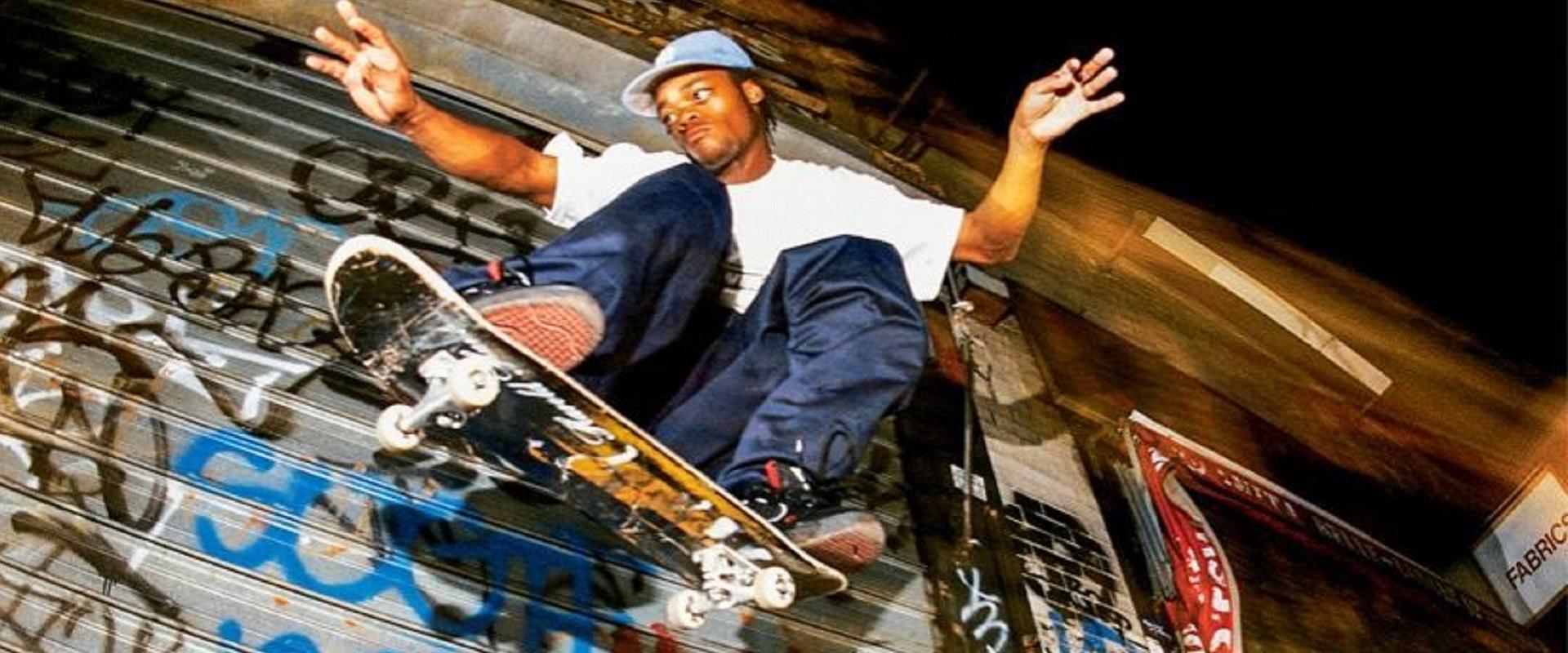
Cultural Crossroads The Interplay Between Skateboarding and Hip Hop
In the vibrant tapestry of urban culture, the symbiotic relationship between skateboarding and hip hop has given rise to a distinctive aesthetic that resonates deeply with the ethos of streetwear. This cultural fusion is not merely a superficial alliance but rather an intricate interplay where each influences and enriches the other. Skateboarding brings to hip hop an ethos of rebellion and non-conformity, with its roots in the concrete jungles where both cultures flourished. The fluid movements and daring tricks of skaters have inspired the rhythmic flows and lyrical bravado in hip hop, creating a dynamic exchange of creativity and style.
- Fashion Fusion: The baggy pants and oversized tees, synonymous with both skaters and hip hop artists, represent a shared defiance against conventional norms.
- Collaborative Ventures: Brands like Supreme and Vans have thrived by tapping into this intersection, creating lines that are as much about expression as they are about functionality.
- Music and Movement: Just as skaters use urban landscapes as their canvas, hip hop uses beats and lyrics to paint stories of resilience and identity.
Through these shared elements, skateboarding and hip hop have shaped streetwear into a cultural phenomenon that transcends borders and generations, embodying a lifestyle that celebrates freedom, individuality, and a relentless pursuit of authenticity.
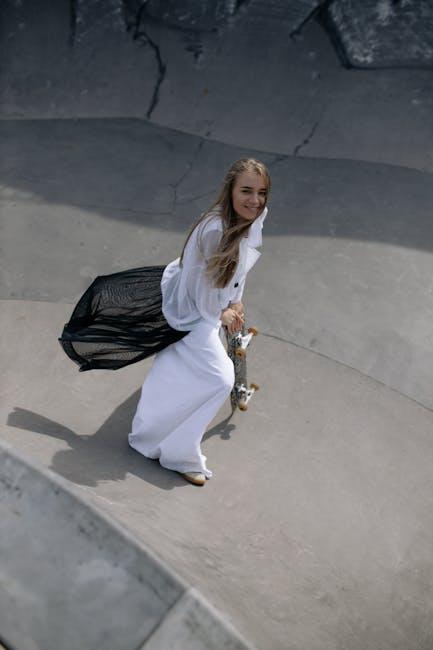
Evolution of Streetwear How Skateboarding Shaped Fashion Trends
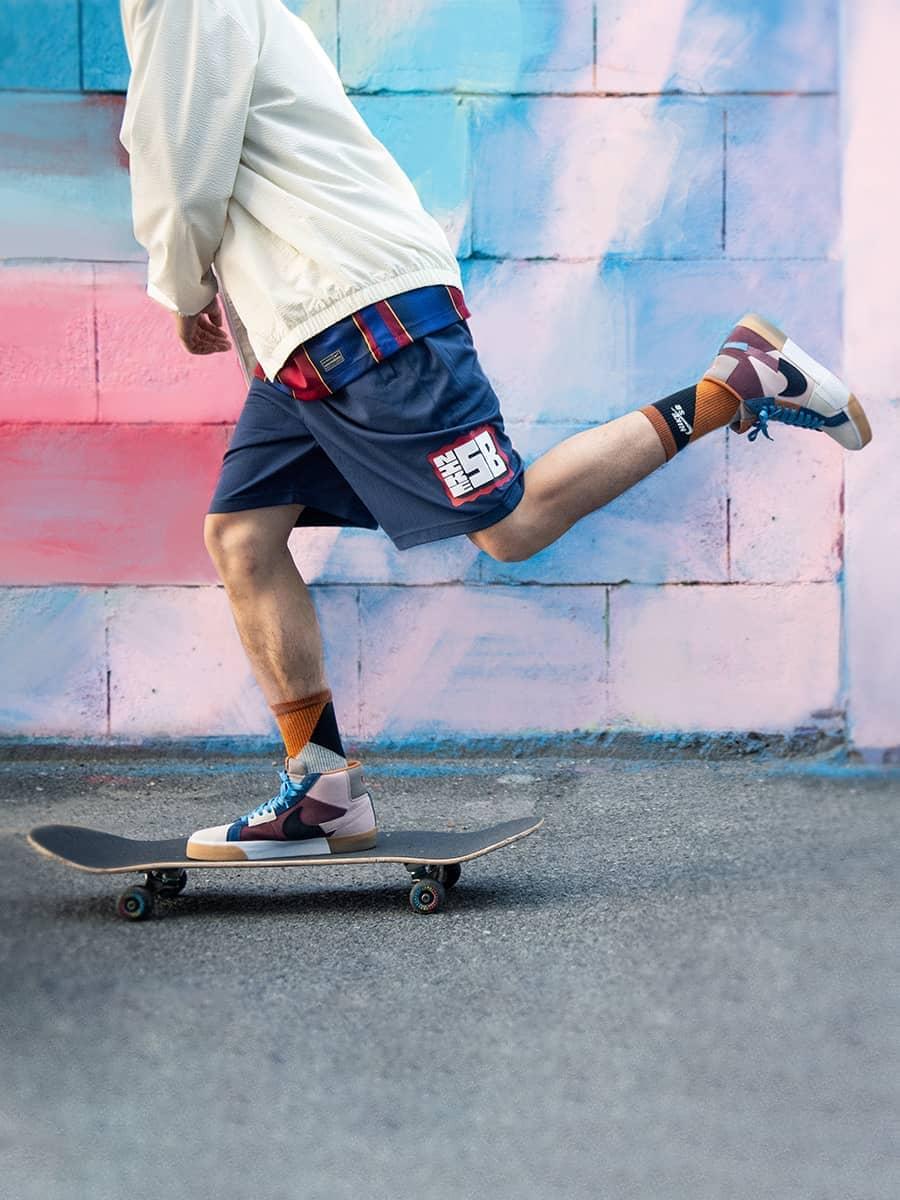
The symbiotic relationship between skateboarding and fashion has been a dynamic force in shaping modern streetwear. In the late 20th century, skateboarders, with their rebellious spirit and distinctive style, became the unlikely fashion icons that inspired a new wave of clothing trends. Baggy pants, oversized tees, and worn-out sneakers that were once functional choices for skaters to perform their tricks have now become staples in urban wardrobes worldwide. The skateboard culture’s ethos of individuality and defiance against the mainstream resonated with the youth, leading to the adoption of these styles as symbols of non-conformity and self-expression.
- Graphics and Logos: Skate brands introduced bold graphics and logos, which became a hallmark of streetwear.
- DIY Aesthetic: The DIY culture of skateboarding, from custom board designs to personalized apparel, inspired a generation to create and adapt their own fashion statements.
- Collaborations: Iconic collaborations between skate brands and high fashion labels blurred the lines between street and luxury fashion.
Moreover, the cross-pollination between skateboarding and hip hop has further cemented its influence on streetwear. Both cultures share a foundation of authenticity and innovation, leading to a rich tapestry of styles that have permeated mainstream fashion. This fusion has not only elevated skate-inspired clothing to the forefront of fashion but also paved the way for a new era where streetwear is synonymous with high fashion.
Skateboarding A Catalyst for Hip Hops Rhythmic Innovation
As the urban landscape of the late 20th century began to echo with the sounds of rolling skateboards, a symbiotic relationship emerged between skateboarding culture and hip hop’s rhythmic evolution. This unique intersection became a breeding ground for artistic experimentation, where the unpredictable nature of skateboarding’s tricks and the improvisational essence of hip hop’s beats fed into each other. Skateboarding’s influence on hip hop can be traced through the beats and rhythms that mimic the skater’s flow—smooth yet punctuated with sharp, unexpected turns. The musical innovation was not only about sound but also about the attitude of rebellion and creativity that both cultures embraced.
- Sampling Techniques: Just as skaters piece together different tricks, DJs began to experiment with cutting and sampling tracks, leading to a more eclectic soundscape.
- Breakbeats: The rise of breakdancing, often seen at skateparks, fueled a demand for dynamic breakbeats in hip hop tracks, providing a rhythmic backdrop that mirrored the energetic moves of skaters.
- Freestyle Sessions: Much like a skater’s session, freestyle rapping became a form of expression, where spontaneity and creativity were paramount.
In this cultural melting pot, hip hop artists found inspiration in the raw, gritty elements of skateboarding, incorporating its spirit into their music and lyrics. The result was a transformative era in hip hop, marked by a bold, new sound that resonated with the rebellious energy of the streets.
From Ramps to Runways Integrating Skateboarding Aesthetics in Streetwear
The intersection of skateboarding culture and streetwear has given rise to a distinctive style that merges the rebellious spirit of the skatepark with the urban cool of the city streets. Skateboarding aesthetics have seamlessly woven their way into the fabric of streetwear, influencing everything from oversized silhouettes to the iconic graphics that adorn hoodies and tees. This cultural fusion is evident in the adoption of durable materials, often inspired by the need for resilience against the harsh wear and tear of skating. Brands like Supreme, Thrasher, and Palace have become synonymous with this trend, setting the stage for a generation of streetwear enthusiasts who value both functionality and style.
- Oversized Fits: Reflecting the baggy clothing that provides comfort and freedom of movement for skaters.
- Bold Graphics: Featuring logos, artwork, and phrases that capture the skateboarding ethos.
- Layering Techniques: A nod to the adaptability required by skaters facing various weather conditions.
- Material Innovation: Emphasis on durability with fabrics that withstand the rigors of the skateboarding lifestyle.
This blend of styles extends beyond clothing, impacting the broader spectrum of hip-hop culture, where the influence of skateboarding is seen in music videos, album art, and even the swagger of hip-hop artists themselves. Skateboarding’s impact on streetwear is not merely a trend but a powerful testament to the cultural dialogue between two influential subcultures, continuously shaping the fashion landscape. This dynamic interplay encourages self-expression, creativity, and an unapologetic embrace of authenticity, qualities that resonate deeply within the realms of both skateboarding and hip-hop.