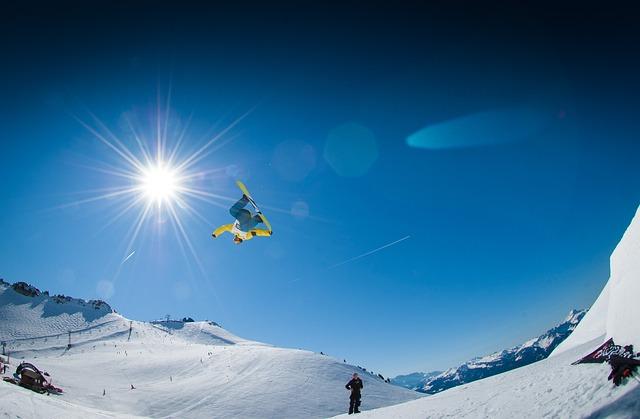
Selecting the perfect snowboard is a critical decision that can significantly influence your performance and enjoyment on the slopes. With a plethora of options available, ranging from freestyle to all-mountain boards, the process can seem daunting. This article aims to demystify the complexities of choosing the right snowboard by examining the nuances of various riding styles and the specific features that cater to them. By adopting an analytical approach, we will dissect the essential factors, such as board shape, flex, and length, to provide you with a comprehensive understanding of how these elements align with your personal riding preferences. Whether you are a seasoned snowboarder or a novice eager to make your first purchase, this guide will equip you with the authoritative insights needed to make an informed decision, ensuring that your snowboard enhances, rather than hinders, your mountain experience.
Understanding Snowboard Shapes and Their Impact on Performance
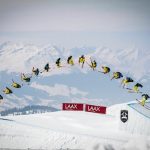
When it comes to selecting the perfect snowboard, understanding the various shapes and their influence on your performance is crucial. Snowboards come in several shapes, each designed to enhance different aspects of riding. Directional boards are tailored for those who love carving down the mountain with precision and speed. These boards have a distinct front and back, with a longer nose and a stiffer tail, offering stability and control, especially in powder and on groomed runs. In contrast, twin-tip boards are symmetrical in shape, allowing riders to excel in freestyle environments, where riding switch and performing tricks are essential.
- Directional Twin: A hybrid shape that combines elements of both directional and twin-tip boards. Ideal for all-mountain riders who enjoy a bit of everything.
- Powder Boards: Often featuring a tapered shape and a wide nose, these boards are specifically designed to float effortlessly in deep snow.
- Volume Shift: Compact boards with increased width, providing a surf-like experience and maneuverability without sacrificing float.
Each shape has its unique characteristics that can dramatically impact your riding experience. By aligning your snowboard choice with your preferred riding style, you can maximize performance and enjoyment on the slopes.
Evaluating Flex and Stiffness for Optimal Control
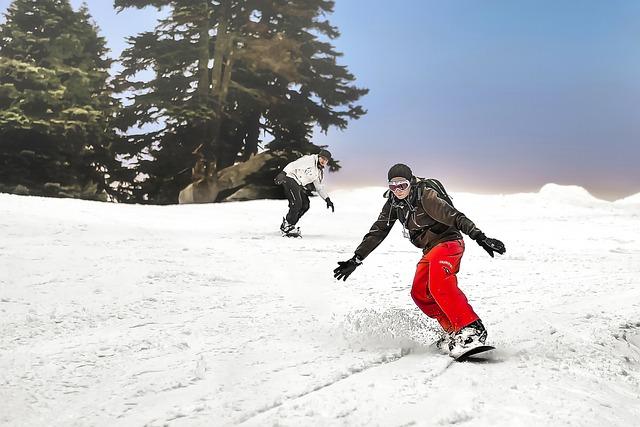
When it comes to mastering your ride, the board’s flex and stiffness are critical factors that directly impact your performance on the slopes. A board’s flex refers to its ability to bend, which influences how it responds to various terrain and riding styles. Soft flex boards are more forgiving, making them ideal for beginners and freestyle riders who enjoy park tricks and buttering. They offer greater maneuverability and a playful feel, which is perfect for those looking to explore creative riding. On the other hand, stiff flex boards provide more stability and edge control, making them the go-to choice for advanced riders seeking precision in carving or tackling challenging mountain conditions.
To make an informed decision, consider these factors:
- Riding Style: Identify whether you prioritize freestyle, all-mountain, or freeride, as each style benefits from different flex characteristics.
- Skill Level: Beginners may find softer boards easier to handle, while experienced riders might appreciate the responsiveness of stiffer boards.
- Terrain Preferences: If you frequent icy slopes or high-speed runs, a stiffer board can offer enhanced stability.
Ultimately, choosing the right balance between flex and stiffness is essential for achieving optimal control and enjoyment on the mountain.
Choosing the Right Size: A Guide to Board Length and Width
When selecting a snowboard, the length and width are crucial factors that significantly impact your performance on the slopes. The board length should be tailored to your height, weight, and riding style. Generally, a shorter board is ideal for beginners or those who enjoy freestyle and park riding, as it offers greater maneuverability and control. In contrast, longer boards provide stability and are better suited for high-speed carving and powder riding. To determine the optimal length, consider the board reaching somewhere between your chin and nose when stood upright. However, always adjust for your weight; a heavier rider might need a slightly longer board for better floatation.
Width is equally important, particularly if you have larger feet. A board that’s too narrow can lead to toe and heel drag, negatively affecting your turns. Wide boards are designed to accommodate larger boot sizes, providing a stable platform for smooth transitions. When checking the width, ensure your boots extend slightly over the edges but not so much that they touch the snow during aggressive carving. This balance prevents unnecessary drag and maintains board responsiveness. Key considerations for choosing the right width include:
- Your boot size
- Board waist width
- Riding style preferences
By thoughtfully considering these aspects, you can select a snowboard that complements your unique riding style, ensuring a more enjoyable and efficient experience on the slopes.
Tailoring Your Snowboard Features to Match Your Riding Environment
Choosing the perfect snowboard goes beyond just picking a flashy design; it’s about aligning the board’s features with the specific conditions you’ll encounter. Different environments demand distinct snowboard characteristics to optimize performance and enjoyment. Here’s how to fine-tune your board to match where you ride:
- Powder: If you find yourself frequently floating through deep powder, opt for a board with a wider nose and a tapered tail. A set-back stance and a rockered profile will help you maintain buoyancy and control in soft snow.
- Groomed Trails: For those who carve down meticulously groomed slopes, a camber board with a stiffer flex will provide the edge hold and stability needed for precise turns and speed.
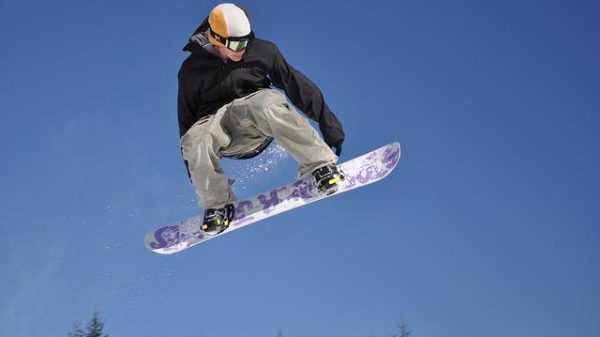
- Park and Freestyle: Riders who spend their time hitting jumps and rails should consider a twin-tip board with a softer flex. A true twin shape and a flat or hybrid profile will enhance maneuverability and balance for tricks.
- Backcountry: When venturing into the backcountry, prioritize a splitboard designed for climbing and descending in varied terrain. Look for lightweight materials and a directional shape to handle unpredictable conditions.
By understanding the nuances of your riding environment, you can tailor your snowboard selection to enhance your experience, ensuring that every ride is perfectly suited to the terrain beneath your feet.