When it comes to snowboarding, the right equipment can make all the difference between a thrilling descent and a day of discomfort on the slopes. Among the essential gear, snowboard boots play a pivotal role in ensuring both comfort and performance. Choosing the right pair is not merely a matter of style or brand preference; it involves a meticulous evaluation of various factors that influence support, fit, and overall experience. In this article, we will delve into the critical aspects of selecting snowboard boots that not only align with your snowboarding style but also provide the necessary comfort and support to enhance your performance. By understanding the intricacies of boot construction, fit considerations, and the impact of different features, you will be equipped to make an informed decision that elevates your snowboarding adventures.
Understanding Boot Flex and Its Impact on Performance
When selecting snowboard boots, one critical factor to consider is the boot flex, which plays a significant role in influencing your performance on the slopes. Boot flex refers to the stiffness or softness of the boots and is typically categorized as soft, medium, or stiff. Soft flex boots offer greater flexibility, making them ideal for beginners or freestyle riders who require more maneuverability. On the other hand, stiff flex boots provide enhanced support and response, suitable for advanced riders seeking precision and stability at higher speeds.
- Soft Flex: Offers comfort and ease of movement, ideal for park and freestyle.
- Medium Flex: Balances support and flexibility, suitable for all-mountain riders.
- Stiff Flex: Provides maximum support and responsiveness, best for aggressive or backcountry riding.
Understanding how boot flex affects your riding style and performance can help you make an informed decision. Consider your skill level, terrain preference, and personal comfort needs when choosing the right flex. This ensures that your boots complement your riding, providing both the comfort and support necessary for an enjoyable snowboarding experience.
Evaluating Lacing Systems for Optimal Fit and Convenience
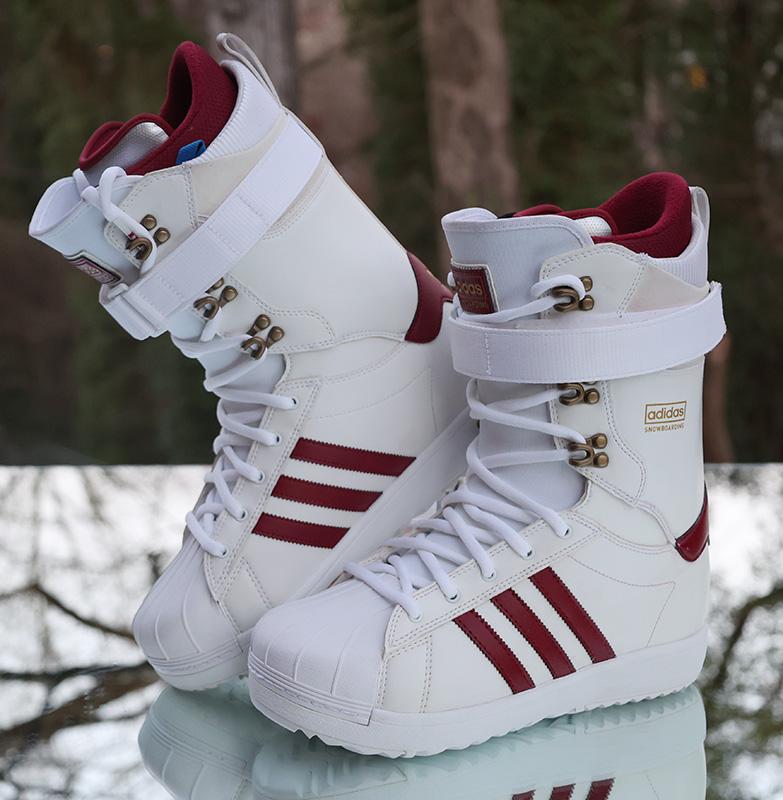
When it comes to snowboard boots, the lacing system is a pivotal element that influences both the fit and convenience of your gear. The market offers several lacing options, each with its unique benefits and potential drawbacks. Here’s a closer look at the most popular systems to help you make an informed choice:
- Traditional Laces: Known for their customizable fit, these allow you to tighten different sections of the boot to your preference. However, they may require adjustments throughout the day and can be cumbersome to lace up with cold fingers.
- Speed Laces: Designed for quick adjustments, this system uses a pull-and-lock mechanism, enabling you to secure your boots in seconds. While convenient, the fit may not be as customizable as traditional laces, and some systems can wear out over time.
- Boa System: This innovative system uses a dial to adjust the tension, offering a snug fit with minimal effort. It’s incredibly convenient, but it can be challenging to repair if damaged, and some riders feel it doesn’t offer the same level of precision as manual lacing.
Choosing the right lacing system ultimately depends on your personal preferences and riding style. Consider how often you’ll be adjusting your boots on the slopes and how much control you want over the fit. A well-chosen lacing system can significantly enhance your snowboarding experience, providing the perfect blend of comfort and performance.
Material Considerations for Warmth and Durability
When selecting snowboard boots, the materials used in their construction are pivotal in ensuring both warmth and durability. The outer shell typically consists of synthetic materials or leather, which offer resilience against harsh weather conditions. Synthetic materials, like thermoplastic polyurethane (TPU), provide a lighter option with high resistance to abrasions and impacts, while leather offers a classic look and exceptional longevity when properly maintained. For added warmth, many boots feature an insulated liner, often made from materials like Thinsulate or wool, which trap heat effectively without adding unnecessary bulk.
- Inner Liner: Look for boots with heat-moldable liners that conform to the shape of your foot, enhancing both comfort and thermal insulation.
- Outsole Material: Durable rubber outsoles are essential for traction on icy surfaces, ensuring stability and safety.
- Waterproofing: Boots with integrated waterproof membranes, such as Gore-Tex, offer superior moisture protection, keeping your feet dry in slushy conditions.
Investing in high-quality materials not only boosts performance but also extends the lifespan of your boots, making them a worthy consideration for any snowboarder prioritizing warmth and durability.
Prioritizing Boot Size and Shape for Enhanced Comfort
When selecting snowboard boots, the size and shape play a pivotal role in ensuring maximum comfort during your ride. A snug fit is essential, but this doesn’t mean sacrificing comfort for tightness. Properly fitted boots should feel like a firm handshake — secure yet not constricting. It’s important to remember that snowboard boots can pack out over time, meaning they may feel roomier after a few sessions. Therefore, aim for a fit that is slightly tighter than your regular shoes, but not painfully so.
Beyond size, the shape of the boot should align with the natural contours of your foot. Consider the following when evaluating boot shape:
- Arch Support: Look for boots that cater to your arch type, whether flat, medium, or high. Proper arch support can prevent foot fatigue and enhance control.
- Heel Hold: Ensure the boots provide a snug fit around the heel to prevent lift. This will aid in transferring energy effectively and maintaining stability.
- Toe Box: Check for enough room in the toe box to wiggle your toes slightly, preventing cold feet and discomfort.
By prioritizing these aspects, you can significantly enhance your riding experience with boots that offer both comfort and support, allowing you to focus on carving the perfect line down the mountain.