Mountain biking on rocky trails offers an exhilarating escape into nature, blending the thrill of adventure with the serene beauty of the great outdoors. As you navigate these rugged paths, each twist and turn presents not only a challenge but also an opportunity to hone your skills and connect with the natural world. While the excitement is undeniable, ensuring your safety on these rocky terrains is paramount to fully enjoying the experience. This guide is designed to equip you with essential tips and strategies, fostering confidence and security as you embark on your mountain biking journey. Embrace the adventure with optimism and preparedness, knowing that with the right precautions, every ride can be both safe and unforgettable.
Choosing the Right Gear for a Safe Ride
Embarking on a rocky mountain biking adventure requires more than just skill; it demands the right gear to ensure both safety and enjoyment. Helmet: Your helmet is your most crucial piece of equipment. Choose one that fits snugly, offers ample ventilation, and meets the latest safety standards. Gloves: A good pair of gloves will not only protect your hands from abrasions but also enhance your grip on the handlebars, especially on rough terrain.
- Protective Eyewear: Shield your eyes from dust, debris, and the glaring sun with quality sunglasses or goggles.
- Padded Shorts: These provide comfort and reduce the risk of saddle sores during long rides.
- Sturdy Shoes: Opt for shoes with stiff soles that offer excellent grip and pedal control.
- Body Armor: Consider wearing knee and elbow pads, or even a full-body suit, to protect against falls and scrapes.
- Hydration Pack: Keeping hydrated is crucial, so a pack with easy access to water can make a significant difference.
Investing in the right gear not only enhances your riding experience but also boosts your confidence to tackle challenging trails with an optimistic spirit. Remember, preparation is key to unlocking the thrill of mountain biking safely.
Mastering Trail Navigation with Confidence
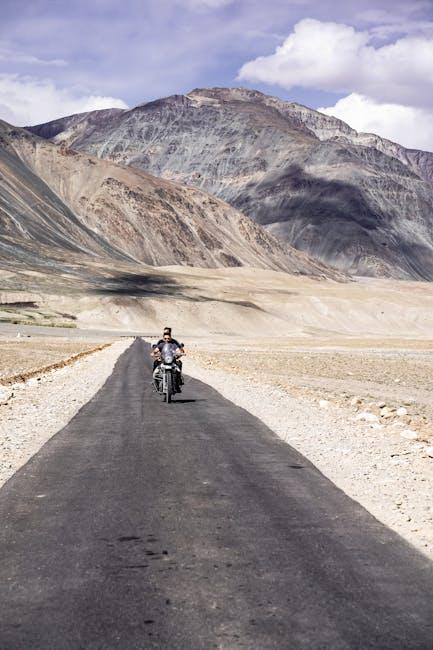
Mastering the art of navigation is essential for a safe and enjoyable mountain biking experience. When you’re tackling the rugged trails of the Rockies, a few key strategies can make all the difference. Preparation is your best ally: before setting out, ensure you have a reliable trail map and familiarize yourself with the route. Digital maps on your smartphone are handy, but always carry a physical map as a backup. Knowing the trail markers and understanding the difficulty levels will help you make informed decisions about your path.
- Use GPS Devices: Invest in a good GPS device or app to track your location and stay on course.
- Trail Markers: Pay close attention to trail markers and signage; they are there to guide you safely.
- Buddy System: Whenever possible, ride with a partner. Two sets of eyes are better than one.
- Weather Awareness: Check the weather forecast and be prepared for sudden changes that could affect your ride.
Confidence in navigation comes from practice and preparation. Stay vigilant for any changes in the terrain and be ready to adapt your route if needed. With the right tools and mindset, you can conquer even the most challenging trails with ease and enthusiasm.
Embracing Weather Changes with Preparedness
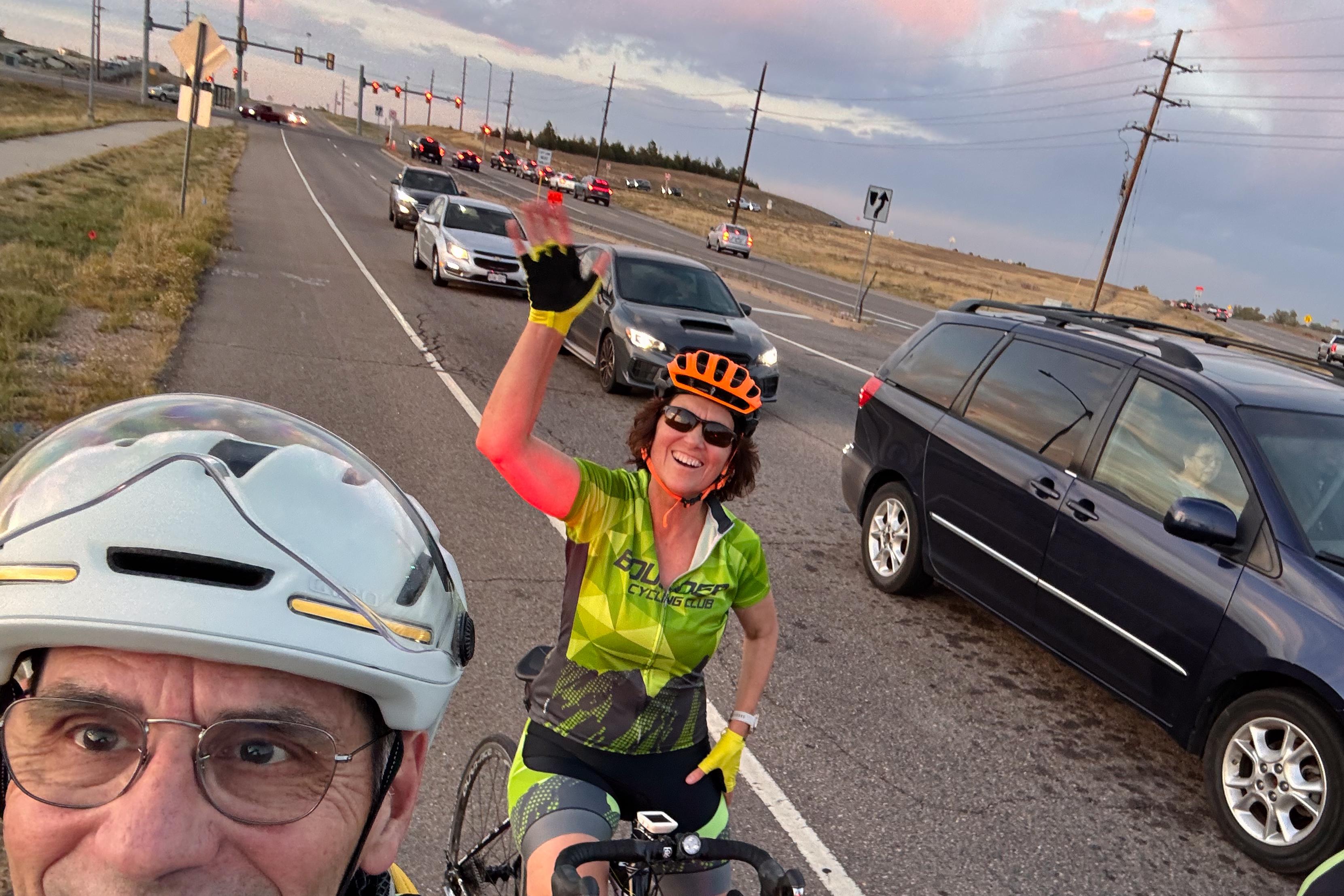
Mountain biking in the Rockies is an exhilarating adventure, but it requires awareness of the dynamic weather patterns that can transform trails in an instant. To ensure a safe and enjoyable ride, it’s essential to be well-prepared for whatever nature throws your way. Here are some key strategies to embrace the unpredictable weather with confidence:
- Check the Forecast: Always review the weather forecast before heading out. Keep an eye on changes in temperature, precipitation, and wind conditions.
- Layer Your Clothing: The weather can shift from sunny to chilly in a matter of minutes. Wear moisture-wicking base layers, a mid-layer for insulation, and a waterproof outer layer to stay comfortable.
- Pack Essential Gear: Include a compact rain jacket, extra gloves, and a thermal hat in your backpack. These items can be lifesavers if the weather takes a turn for the worse.
- Trail Selection: Choose trails that match your skill level and consider their condition. Wet or muddy trails can be hazardous, so opt for routes that are known to drain well.
- Stay Informed: Use a reliable weather app or a GPS device with live updates to stay informed about any sudden weather alerts while on the trail.
With the right mindset and gear, you’ll be ready to tackle any weather challenge, transforming a potential obstacle into another thrilling chapter of your mountain biking journey.
Building Skills to Tackle Rocky Terrain Safely
Mastering the art of navigating rocky mountain biking trails requires a blend of technique, focus, and confidence. Balance and body positioning are crucial for maintaining control on uneven surfaces. Keep your weight centered over the bike and be ready to shift it forward or backward depending on the incline and obstacles. Look ahead to anticipate upcoming challenges, allowing you to adjust your position and speed accordingly. Embrace the mantra “slow is smooth, and smooth is fast” to glide over rocks with precision.
Developing a strong skill set involves consistent practice and a willingness to learn from each ride. Consider incorporating the following into your training regimen:
- Ride with more experienced bikers: Observe their techniques and ask for feedback on your performance.
- Invest in skill clinics or workshops: Professional guidance can provide invaluable insights and accelerate your progress.
- Focus on core strength exercises: A stable core enhances balance and control on the trails.
- Practice on varied terrain: Gradually increase the difficulty of the trails you tackle to build confidence and adaptability.
Remember, every ride is an opportunity to hone your skills and enjoy the thrill of the trail.