In the dynamic world of competitive snowboarding, athletes are often celebrated for their ability to push the boundaries of what is possible on the slopes. As this exhilarating sport has evolved, a growing emphasis on executing complex tricks has emerged, often overshadowing the stylistic expression that once defined the discipline. This shift has sparked a debate among athletes, judges, and enthusiasts alike: does competitive snowboarding focus too much on tricks and not enough on style? As the sport continues to captivate audiences worldwide, it is crucial to examine whether the current judging criteria and competitive formats adequately balance technical prowess with the artistry and individuality that are the essence of snowboarding. This article delves into the evolution of competitive snowboarding, scrutinizes the current scoring systems, and explores the implications of prioritizing technical tricks over stylistic expression, aiming to illuminate the ongoing discourse within the snowboarding community.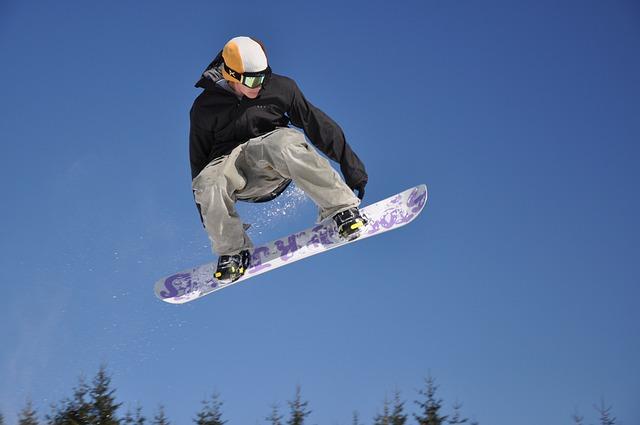
Analyzing the Evolution of Competitive Snowboarding: Tricks Versus Style
In the dynamic world of competitive snowboarding, a debate persists over the balance between technical tricks and the artistry of style. Over the years, there has been a noticeable shift in judging criteria, with an increasing emphasis on executing complex maneuvers. Tricks such as the double cork 1440 or the frontside triple have become benchmarks for success. These gravity-defying feats captivate audiences and push the boundaries of the sport. However, as the technical bar is raised, some purists argue that the essence of snowboarding is being overshadowed. They believe that the fluidity and creativity that once defined the sport are being sacrificed at the altar of technical precision.
The heart of snowboarding lies not just in the tricks but in how they are performed. Style, often seen as the snowboarder’s signature, is what differentiates one rider from another. Critics of the current competitive focus suggest that style should carry more weight in scoring, as it embodies the individuality and expression that are central to snowboarding’s ethos. They advocate for a judging system that celebrates the seamless blend of technique and artistic flair. Considerations for enhancing style in competitions include:
- Incorporating more subjective scoring elements that account for creativity and flair.
- Diversifying judging panels to include former riders known for their stylistic contributions.
- Promoting events that emphasize style over sheer technicality, such as style-focused jams.
Ultimately, striking a balance between tricks and style could redefine the competitive landscape, ensuring that the sport remains true to its roots while continuing to evolve.

The Impact of Trick-Dominated Competitions on Snowboardings Aesthetic Appeal
The shift towards trick-dominated competitions in snowboarding has undeniably influenced the sport’s aesthetic appeal, with a noticeable emphasis on technical prowess over fluidity and creativity. This focus on executing complex tricks has led to a reduction in the diversity of styles showcased during competitions, as athletes prioritize points over personal expression. The intricate scoring systems, often favoring amplitude and difficulty, inadvertently marginalize the subtler aspects of snowboarding that once captivated audiences. The result is a landscape where innovation is often equated with risk-taking, rather than artistic interpretation or the seamless integration of movement and environment.
- Increased emphasis on difficulty can overshadow individual style.
- Scoring systems prioritize technical execution over creativity.
- The pursuit of higher scores can stifle artistic expression.
As snowboarding continues to evolve, there is a growing conversation within the community about rebalancing the scales to allow for a richer tapestry of styles. Some argue that integrating more qualitative measures into judging criteria could help rekindle the sport’s original charm. By valuing elements such as flow, originality, and the rider’s unique flair, competitions could offer a more comprehensive representation of snowboarding’s diverse artistry. This shift could encourage athletes to experiment with their personal style, ultimately enriching the spectator experience and preserving the sport’s authentic spirit.

Balancing Act: Integrating Style and Technical Skills in Snowboarding Judging Criteria
In the dynamic world of competitive snowboarding, the quest to achieve the perfect balance between style and technical skills remains an ongoing challenge. Judges are often tasked with the difficult decision of weighing intricate tricks against the unique flair each rider brings to the slopes. While technical prowess is undeniably crucial, emphasizing only the complexity of tricks can sometimes overshadow the artistry and individuality that define snowboarding’s essence.
To create a more holistic judging system, it’s essential to consider a few key elements:
- Flow and Creativity: Riders should be evaluated on their ability to seamlessly link tricks together, showcasing a fluid narrative through their performance.
- Execution and Amplitude: While high-level tricks are impressive, the precision and height with which they are performed should be equally valued.
- Personal Expression: Encouraging snowboarders to infuse their runs with personal style not only makes for a more captivating spectacle but also preserves the sport’s creative spirit.
By integrating these factors, judges can ensure a fairer competition that celebrates both the technical and artistic dimensions of snowboarding.
Recommendations for Enhancing Style Recognition in Competitive Snowboarding
- Judging Criteria Expansion: To enhance style recognition, it is imperative to broaden the judging criteria beyond technical execution. By incorporating elements such as flow, creativity, and rider individuality, competitions can celebrate diverse expressions of style. This approach ensures that snowboarders who excel in presenting a unique flair are equally acknowledged alongside those who master intricate tricks.
- Incorporating Style Clinics: Hosting style clinics in conjunction with competitions could foster an environment where snowboarders can learn from seasoned stylists. These clinics should focus on teaching riders how to blend technical prowess with personal expression, enabling them to develop a signature style that stands out in competitions.
- Encouraging Innovative Runs: By incentivizing innovative runs that emphasize style, organizers can motivate athletes to push the boundaries of creativity. Offering awards for the most stylish run, alongside traditional accolades, could inspire snowboarders to prioritize artistic expression in their performances.
- Media Coverage and Storytelling: Elevating the profile of style-centric performances through strategic media coverage can shift public perception and appreciation. Highlighting stories that showcase a rider’s journey to mastering their style can captivate audiences, encouraging a broader understanding and respect for style in competitive snowboarding.