Snowboarding is a thrilling winter sport that combines the rush of speed with the exhilaration of gravity-defying maneuvers. Among these, the backflip stands out as an iconic and impressive feat that captures the essence of freestyle snowboarding. However, executing a backflip on a snowboard is not without its risks, as the complexity of the maneuver demands precision, strength, and control. This article aims to provide a comprehensive guide on how to perform backflips in snowboarding with minimized risk of injury. By understanding the biomechanics involved, adopting proper training techniques, and utilizing safety equipment, snowboarders can approach this challenging trick with confidence and competence. Whether you’re an aspiring freestyle enthusiast or an experienced rider looking to expand your repertoire, this guide will equip you with the essential knowledge and strategies to safely land a backflip and enhance your snowboarding experience.
Understanding the Mechanics of a Snowboarding Backflip
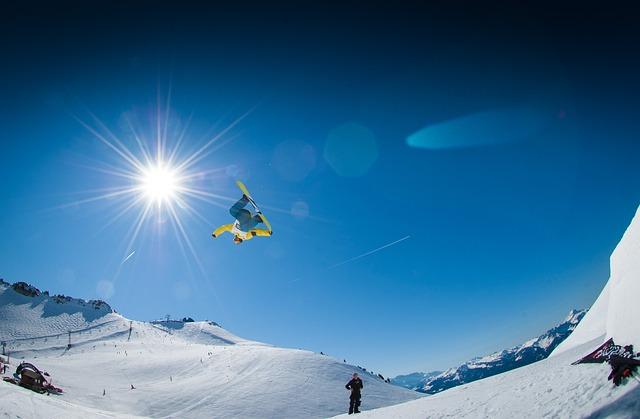
Executing a backflip on a snowboard requires a precise blend of technique, timing, and confidence. At its core, the backflip involves launching off a jump with enough speed and control, ensuring you have the momentum to rotate fully. The key mechanics include:
- Approach: Begin with a solid stance, knees slightly bent, and shoulders parallel to the snowboard. Gain enough speed to ensure you have the necessary lift but maintain control to avoid veering off course.
- Takeoff: As you reach the lip of the jump, crouch deeper and initiate the backflip by leaning back slightly while pushing off with your legs. This movement is crucial to generate the rotational force needed.
- Rotation: Tuck your knees towards your chest to speed up the rotation. Keep your eyes open and focus on spotting your landing area as soon as you complete the flip.
- Landing: Extend your legs as you come around, preparing for impact. Aim to land with your board flat to distribute the force evenly, bending your knees to absorb the shock.
Mastering these mechanics reduces the risk of injury and enhances the likelihood of a successful backflip. It’s essential to practice on smaller jumps initially, using safety gear, and gradually progress to larger jumps as your confidence and skill level increase.
Essential Gear and Protective Equipment for Safe Execution
- Helmet: Your head is your most valuable asset, so protect it with a high-quality helmet designed for snowboarding. Look for models with a snug fit and adjustable straps to ensure it stays securely in place.
- Impact Shorts: These padded shorts are essential for cushioning your hips and tailbone during falls. They are particularly beneficial when attempting complex tricks like backflips.
- Wrist Guards: Falls often lead to instinctive hand-planting, which can result in wrist injuries. A sturdy pair of wrist guards will help mitigate the risk of fractures or sprains.
- Knee Pads: To protect your knees from harsh impacts, invest in durable knee pads that fit comfortably under your snow pants.
- Back Protector: A back protector can absorb shock and prevent serious spinal injuries, providing an extra layer of safety during rotations.
Equipping yourself with these essentials not only enhances your confidence but also minimizes the risk of injury, allowing you to focus on mastering the art of backflips with peace of mind.
Step-by-Step Guide to Mastering the Backflip Technique
To safely master the backflip technique in snowboarding, it’s essential to break down the process into manageable steps, allowing you to build confidence and precision over time. Begin with mental preparation; visualize the move repeatedly to understand the sequence of actions involved. Next, focus on physical conditioning to ensure your body can handle the dynamic demands of the backflip. Strengthening your core and legs is crucial, as these muscle groups play a significant role in executing the flip.
- Start on a Trampoline: Practicing on a trampoline helps you get a feel for the rotation without the risk of injury. This setting allows you to focus on form and technique.
- Work on Your Jump: Before attempting a backflip, ensure you can execute a strong and controlled jump. This will give you the necessary height and momentum.
- Master the Tuck: A tight tuck is essential for a successful backflip. Practice bringing your knees to your chest quickly and holding that position.
- Commit to the Rotation: Hesitation is the enemy. Once you’re in the air, commit fully to the rotation. Trust your training and follow through with the movement.
Each of these steps is critical in reducing the risk of injury and enhancing your overall snowboarding performance. By practicing diligently and focusing on these foundational elements, you will progressively build the skills needed to execute a backflip with confidence and safety.
Common Mistakes and How to Avoid Them for Injury Prevention
Executing backflips in snowboarding is a thrilling experience, but it comes with its own set of challenges and potential pitfalls. Here are some common mistakes that riders make and strategies to avoid them:
- Improper Body Position: Many snowboarders fail to maintain the correct body alignment during takeoff and landing. Ensure your shoulders and hips are aligned with the board, and keep your core engaged to maintain balance.
- Insufficient Speed: A lack of speed can lead to incomplete rotations, increasing the risk of falling. Make sure to gather enough momentum before attempting the flip, but also be cautious not to overdo it.
- Inadequate Practice: Backflips require a high level of skill and should not be attempted without proper training. Spend ample time practicing on trampolines or foam pits to build confidence and muscle memory.
- Ignoring Safety Gear: Always wear a helmet and other protective gear. Safety should be your top priority, and the right equipment can significantly reduce the severity of injuries.
By understanding these mistakes and taking preventive measures, you can enhance your technique and enjoy backflips with a lower risk of injury.