Snowboarding is an exhilarating winter sport that combines the thrill of speed with the beauty of snowy landscapes. However, like any high-energy activity, it comes with its share of risks, and a broken wrist is one of the most common injuries snowboarders face. While the initial shock and discomfort of such an injury can be daunting, recovery is not only possible but can be a rewarding journey toward regaining strength and confidence on the slopes. In this article, we will guide you through the essential steps to recover from a broken wrist sustained while snowboarding. With the right approach and mindset, you can return to the mountains stronger and more prepared than ever. Let’s embark on this recovery journey with optimism and determination, ensuring you’re back carving through the snow in no time.
Understanding the Healing Process for a Broken Wrist
When recovering from a wrist fracture sustained during snowboarding, understanding the healing stages can significantly enhance your recovery journey. The process generally unfolds in three distinct phases: inflammation, repair, and remodeling. During the inflammation phase, which typically lasts a few days, your body works to protect the injured area and begin the healing process. The repair phase follows, where new tissue forms to bridge the broken bone, usually lasting several weeks. the remodeling phase can extend for months as the bone regains its original shape and strength.
- Rest and Immobilization: Ensure you follow your doctor’s advice on keeping the wrist immobilized. A cast or splint is often necessary to prevent movement and allow proper alignment.
- Pain Management: Over-the-counter pain relief and ice packs can help manage discomfort. Always consult with a healthcare provider before taking any medication.
- Physical Therapy: Once your doctor gives the green light, engage in physical therapy to restore movement and strength. Exercises may include gentle wrist rotations and finger movements.
- Nutrition: Support bone healing with a diet rich in calcium and vitamin D. Foods like dairy, leafy greens, and fish are excellent choices.
- Positive Mindset: Maintaining an optimistic outlook can significantly impact your recovery. Celebrate small milestones and stay motivated.
Rehabilitation Exercises to Strengthen Your Wrist
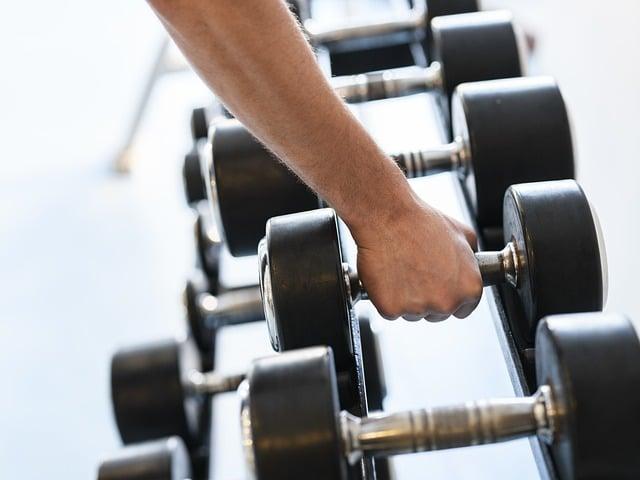
Rehabilitating your wrist after a snowboarding mishap involves a mix of patience and dedication. The journey back to full strength can be accelerated with a series of carefully chosen exercises. Start with wrist flexion and extension exercises. Sit with your forearm supported on a table and your hand hanging over the edge. Gently bend your wrist up and down, ensuring you do not push through any pain. Once you feel comfortable, progress to wrist rotations by moving your hand in circular motions, both clockwise and counterclockwise, to enhance flexibility.
- Grip Strengthening: Use a soft ball or a stress ball. Squeeze and hold for a few seconds before releasing.
- Finger Lifts: Place your hand flat on a table and lift each finger individually, holding each for a couple of seconds.
- Pronation and Supination: With your elbow at your side, rotate your forearm so your palm faces up, then down, using a lightweight if comfortable.
Incorporating these exercises into your daily routine will not only aid in your recovery but also enhance your overall wrist resilience, preparing you for the slopes once again. Remember to consult with a healthcare professional before starting any new exercise regimen.
Nutrition Tips to Accelerate Wrist Recovery
Fueling your body with the right nutrients can significantly speed up the healing process of a broken wrist. Focus on incorporating foods rich in calcium and vitamin D to strengthen your bones. Calcium can be found in dairy products, leafy greens, and almonds, while vitamin D is abundant in fatty fish and egg yolks. Additionally, ensuring an adequate intake of protein is essential for tissue repair. Lean meats, beans, and nuts are excellent sources.
To further enhance recovery, consider the following tips:
- Stay Hydrated: Proper hydration supports overall health and aids in the healing process.
- Omega-3 Fatty Acids: Found in flaxseeds and walnuts, these can help reduce inflammation.
- Vitamin C: Citrus fruits and berries boost collagen production, aiding in the repair of connective tissues.
- Zinc: Foods like pumpkin seeds and chickpeas can support the immune system and promote healing.
Adopting these dietary habits not only accelerates recovery but also fortifies your body against future injuries.
Mental Strategies to Maintain a Positive Outlook
Recovering from a broken wrist can be challenging, but maintaining a positive mindset is crucial for a swift and smooth recovery. Here are some mental strategies to help you stay optimistic:
- Focus on Progress: Celebrate small victories, whether it’s a decrease in pain or regaining a bit more mobility. Tracking your progress can motivate you to keep pushing forward.
- Practice Mindfulness: Engage in meditation or deep-breathing exercises to reduce stress and increase your mental clarity. Mindfulness can help you remain present and appreciate each step of the healing process.
- Visualize Success: Imagine yourself back on the slopes, feeling confident and strong. Visualization can be a powerful tool to boost your mental resilience and inspire perseverance.
- Stay Connected: Reach out to fellow snowboarders or friends who have experienced similar injuries. Sharing stories and tips can foster a sense of community and remind you that you’re not alone in your journey.
- Set New Goals: While your wrist heals, set alternative goals that don’t strain your injury. Perhaps work on leg strength or balance exercises, which will benefit your snowboarding skills in the long run.