
In recent decades, extreme sports have surged from the fringes of recreational activities to become a prominent cultural phenomenon, embodying the spirit of individualism in contemporary society. Characterized by their high-risk nature and the adrenaline-fueled pursuit of pushing physical and mental limits, extreme sports like rock climbing, skateboarding, and base jumping have captivated a global audience. This ascent in popularity reflects a deeper societal shift towards valuing personal freedom, self-expression, and the rejection of conventional norms. As traditional team sports continue to emphasize collective effort and discipline, extreme sports celebrate the audacious individual who seeks to carve out a unique identity through daring exploits. This article delves into how extreme sports culture has evolved into a powerful symbol of individualism, examining its influence on identity, societal values, and the broader cultural landscape.
Evolution of Extreme Sports as a Reflection of Personal Identity
Extreme sports have surged in popularity as a powerful form of self-expression, serving as a canvas where individuals can paint their identities in bold strokes. Unlike traditional sports, which often emphasize team dynamics and standardized rules, extreme sports celebrate the individual’s unique approach, skill set, and creativity. This is vividly illustrated in disciplines like skateboarding, parkour, and snowboarding, where athletes are encouraged to invent new tricks, styles, and even personal philosophies. These activities become a medium through which participants can defy conventional norms and assert their individuality, reflecting a broader cultural shift towards valuing personal authenticity over conformity.
- Freedom of Expression: Participants are not bound by rigid structures, allowing for a more personalized experience.
- Innovation and Creativity: The sports are constantly evolving, driven by the athletes’ desire to push boundaries and redefine what is possible.
- Rejection of the Mainstream: Many athletes find solace in these sports as they provide an escape from the pressures of traditional competitive environments.
- Community and Identity: Despite their individualistic nature, extreme sports foster a sense of belonging among like-minded individuals who share a passion for the unconventional.
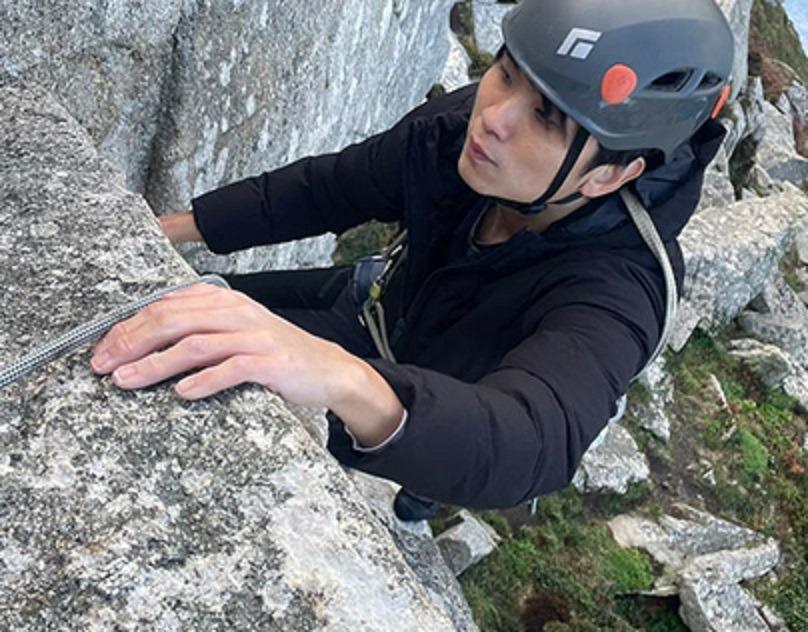
Cultural Shifts: From Mainstream Conformity to Individualistic Expression
In recent years, extreme sports have transcended the boundaries of traditional athleticism, evolving into a vibrant tapestry of individualistic expression. This cultural phenomenon is characterized by its rejection of conventional norms and its embrace of personal identity, creativity, and self-expression. Unlike mainstream sports, where athletes often adhere to rigid standards and team dynamics, extreme sports enthusiasts are driven by the pursuit of personal excellence and the desire to push the limits of their physical and mental capabilities. This shift is evident in the unique styles, gear, and techniques that each participant brings to their sport, making it a deeply personal and distinctive experience.
- Customization of Gear: From skateboards adorned with personalized graphics to bespoke surfboards tailored to an individual’s riding style, extreme sports equipment has become a canvas for personal expression.
- Innovative Techniques: Athletes continuously develop and refine new moves, which often become signature elements of their personal brand, setting them apart from their peers.
- Social Media Influence: Platforms like Instagram and YouTube have provided athletes with a global stage to showcase their unique skills, further fueling the trend of individualistic expression.
- Community and Identity: While extreme sports foster a sense of community, they also celebrate the unique identities of their participants, encouraging a culture of acceptance and diversity.

The Role of Technology in Fostering Personalization in Extreme Sports
In recent years, technology has become an indispensable ally in tailoring experiences to the unique desires and abilities of extreme sports enthusiasts. Wearable devices like smart helmets and GPS-enabled suits now offer real-time feedback, allowing athletes to monitor their performance metrics, such as speed, altitude, and heart rate. These gadgets empower individuals to push their limits while ensuring their safety is not compromised. Moreover, advanced analytics software interprets this data, providing personalized training regimes that are as unique as the athletes themselves.
Beyond wearables, virtual reality (VR) and augmented reality (AR) technologies have revolutionized the way athletes train and compete. These tools offer immersive simulations that replicate the challenges of extreme environments, from towering waves to snow-capped peaks, without the inherent risks. Benefits of VR and AR include:
- Customized training scenarios
- Enhanced visualization techniques
- Safe experimentation with new techniques
The advent of these technologies fosters a deeper connection between the individual and their chosen sport, underscoring a broader cultural shift towards personalization and individualism in extreme sports.

Encouraging Responsible Participation: Balancing Individualism with Safety
In the realm of extreme sports, the allure of pushing personal boundaries often collides with the paramount need for safety. As enthusiasts chase the thrill of individual expression, balancing personal freedom with community safety becomes a crucial discourse. Extreme sports culture, with its roots deeply embedded in the ethos of individualism, challenges participants to not only conquer physical feats but also to navigate the ethical landscape of responsible participation. This is not merely about personal achievement; it is about fostering a community that values both freedom and well-being.
- Emphasizing Education: Knowledge-sharing and education are pivotal in promoting a culture of safety. Workshops and clinics provide essential skills and safety protocols, ensuring participants are well-prepared.
- Advocating for Equipment Standards: Establishing and adhering to rigorous equipment standards ensures that athletes are using gear that minimizes risk without compromising performance.
- Encouraging Mentorship: Seasoned athletes play a vital role as mentors, guiding newcomers with insights that blend personal experience with safety awareness.
These strategies collectively serve to enhance the community’s resilience, allowing for a vibrant yet secure environment where individualism thrives without overshadowing the collective responsibility towards safety.