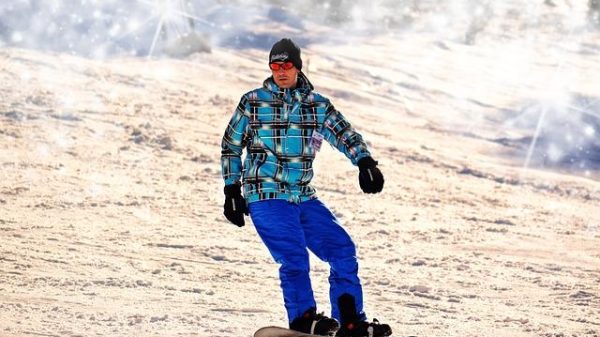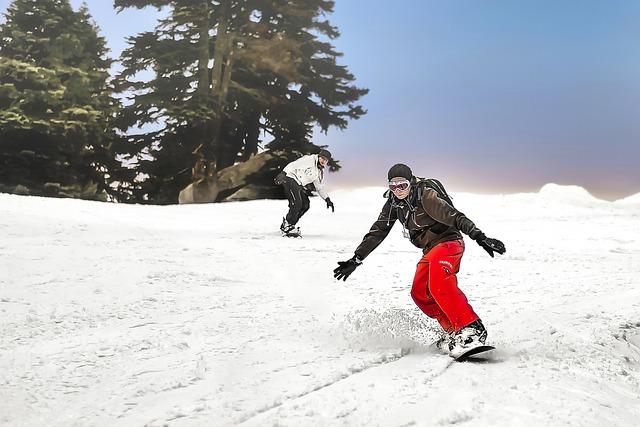
In the realm of winter sports, few activities have redefined the cultural landscape as profoundly as snowboarding. Emerging from its nascent stages in the 1960s, snowboarding has transcended its status as a rebellious offshoot of skiing to become a cornerstone of winter sports. This transformation has not only reshaped competitive landscapes but has also influenced fashion, music, and lifestyle choices within the snow-covered domains of alpine resorts worldwide. As we delve into the evolution of snowboarding, it becomes clear how this dynamic sport has revolutionized perceptions, challenged traditional norms, and contributed to a vibrant, diverse winter sports culture that continues to captivate and inspire new generations of enthusiasts.
Evolution of Snowboarding from Counterculture to Mainstream Phenomenon
In the late 1960s and early 1970s, snowboarding emerged as a rebellious alternative to traditional skiing, drawing inspiration from skateboarding and surfing. This new sport was initially met with skepticism and resistance, often banned from ski resorts due to its unorthodox style and counterculture roots. However, snowboarding’s unique blend of creativity and athleticism began to capture the imagination of a younger generation, eager to break free from the rigid conventions of skiing. Over the decades, this once fringe activity has steadily carved out its place in the mainstream, reshaping the winter sports landscape in the process.
The transformation of snowboarding into a mainstream phenomenon can be attributed to several key factors:
- Innovation in Equipment: Technological advancements in board design and materials have made snowboarding more accessible and enjoyable, allowing for greater maneuverability and safety.
- Media Influence: The rise of snowboarding in popular media, including movies, magazines, and video games, has played a crucial role in promoting the sport to a global audience.
- Inclusion in Competitive Events: Snowboarding’s inclusion in prestigious competitions like the Winter X Games and the Winter Olympics has legitimized the sport, showcasing its competitive spirit and athletic prowess.
- Community and Culture: The vibrant community surrounding snowboarding, characterized by its inclusive and laid-back culture, has attracted enthusiasts from diverse backgrounds, fostering a sense of belonging and camaraderie.
Impact of Snowboarding on Winter Sports Equipment and Technology
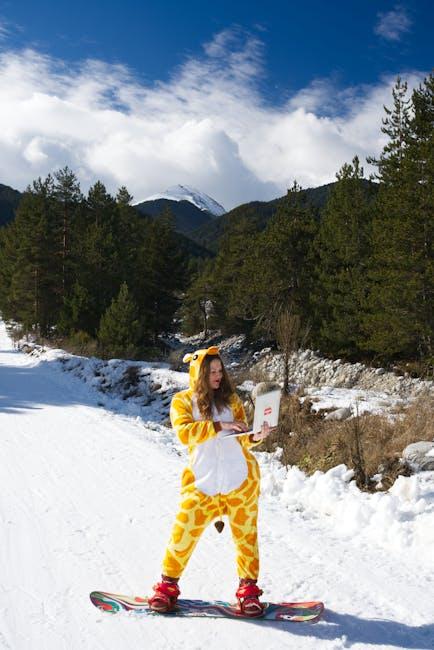
The evolution of snowboarding has significantly influenced the design and innovation of winter sports equipment and technology. Snowboards themselves have undergone remarkable transformations, moving from rudimentary, wooden planks to high-tech, composite materials that enhance performance and safety. This innovation has prompted other winter sports to rethink their gear, leading to advancements in ski design, including the introduction of shorter, more maneuverable skis inspired by snowboard dynamics.
- Bindings and Boots: The development of snowboard bindings and boots has pushed for more ergonomic and secure designs, inspiring similar improvements in ski bindings and footwear.
- Outerwear Technology: Snowboarding’s demand for flexible, durable, and weather-resistant clothing has spurred technological advancements in fabric engineering, benefitting the entire winter sports industry.
- Safety Gear: The increased focus on safety in snowboarding, such as helmets and protective gear, has led to a wider adoption and innovation in safety equipment across all winter sports.
Moreover, the culture of customization and personalization in snowboarding has influenced the aesthetics and design options available in winter sports equipment, encouraging manufacturers to offer more diverse and tailored products to consumers. This shift not only improves the user experience but also fosters a broader cultural acceptance and enthusiasm for winter sports as a whole.
Influence of Snowboarding on Youth Engagement and Participation in Winter Sports
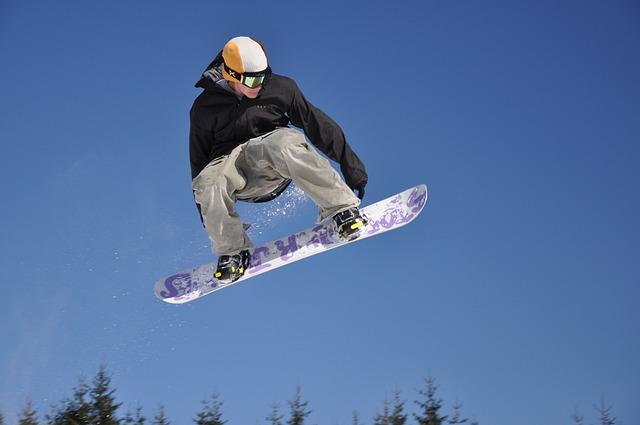
The dynamic nature of snowboarding has significantly reshaped the landscape of winter sports, particularly in how it engages the youth. Unlike traditional winter sports that often emphasize regimented techniques and formal training, snowboarding offers a blend of creativity and self-expression, attracting a younger demographic eager for new experiences. This has led to an upsurge in youth participation, as snowboarding encourages an inclusive atmosphere that values individuality over conformity.
Key factors contributing to this shift include:
- Cultural Appeal: Snowboarding’s roots in counterculture resonate with younger audiences, fostering a sense of community and belonging.
- Accessibility: The sport’s learning curve is less daunting, with many resorts offering specialized programs for beginners.
- Media Influence: High-profile snowboarding events and social media exposure have made the sport more visible and aspirational.
These elements have not only diversified the participant base but also enriched the cultural fabric of winter sports, positioning snowboarding as a catalyst for innovation and inclusivity.
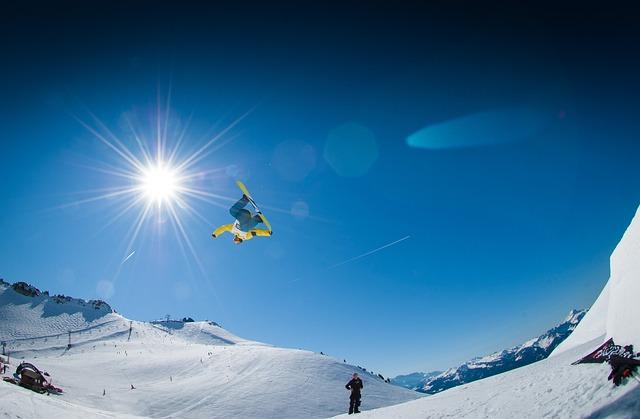
Recommendations for Integrating Snowboarding Practices into Traditional Winter Sports Training
Integrating snowboarding practices into traditional winter sports training can offer athletes a fresh perspective and a dynamic edge. Balance and agility are central to snowboarding, and these skills can significantly enhance performance in other winter sports. Incorporating balance exercises from snowboarding, such as one-legged squats or stability drills on uneven surfaces, can improve an athlete’s overall stability and core strength.
- Cross-Training Opportunities: Encourage athletes to swap traditional ski days with snowboarding sessions to develop muscle groups that are often underutilized in other winter sports.
- Enhanced Mental Resilience: Snowboarding often involves navigating challenging terrains, which can foster a mindset of adaptability and quick decision-making.
- Innovative Drills: Introduce snowboarding-inspired drills like carving techniques to help athletes refine their edge control and precision.
By embracing the unconventional techniques of snowboarding, coaches can cultivate a more versatile and robust training regimen. This fusion not only broadens the skill set of athletes but also invigorates the winter sports culture with innovative practices.