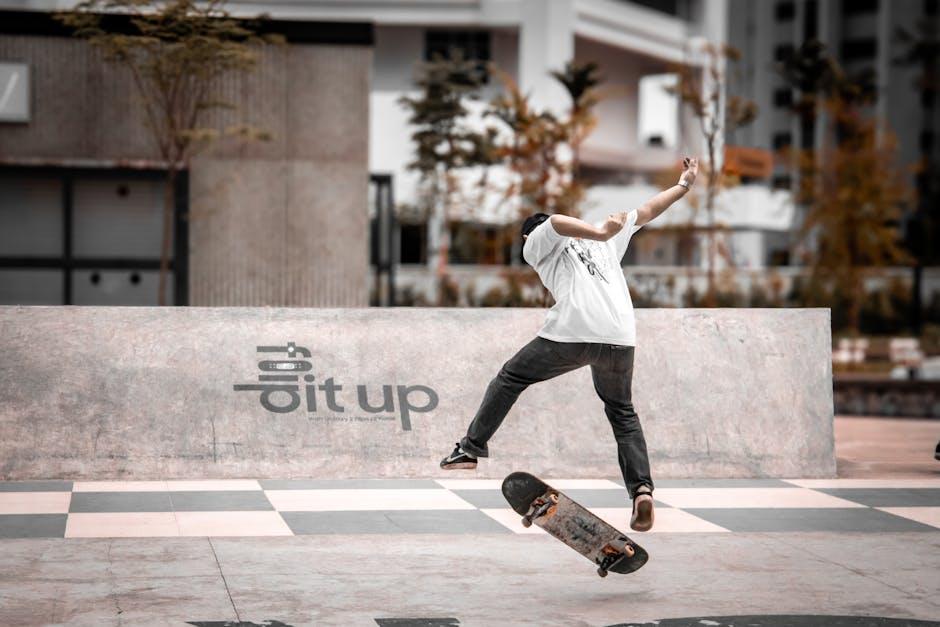
In the sprawling concrete jungles where skyscrapers reach for the heavens and streets hum with the relentless pulse of urban life, a new kind of revolution is taking shape—not on the political frontlines, but in the air above the grind of asphalt. Skateboarding, once relegated to the fringes of society as a countercultural expression, has emerged as a powerful force for community and creativity among urban youth. As cities grow denser and open spaces become increasingly scarce, the question arises: should governments invest more in skateparks to nurture this burgeoning culture and offer young people a vibrant outlet for self-expression? This article delves into the heart of this debate, exploring the transformative potential of skateparks as sanctuaries of freedom and innovation in the bustling heart of our cities. Join us as we kickflip into the conversation, armed with the confidence that beneath the rumble of wheels on concrete lies a promising path toward empowerment and inclusion for the next generation.
Skateparks as Urban Sanctuaries: Transforming Concrete into Community
In the heart of bustling cities, skateparks emerge as unexpected havens where the rhythm of wheels on concrete creates a symphony of unity. These spaces are not just about tricks and flips; they are about connection and community building. Here, the air is charged with creativity, as diverse groups converge, transcending barriers of age, ethnicity, and social status. Skateparks become arenas where urban youth find not only a physical outlet but also a canvas for self-expression and resilience.
- Inclusivity: Welcoming all skill levels, from novices to seasoned skaters.
- Creativity: Encouraging artistic expression through skateboarding and graffiti art.
- Safety: Providing a controlled environment that keeps youth away from less favorable street activities.
- Community Engagement: Hosting events that bring together families and local businesses.
Investing in these urban sanctuaries is an investment in the future. They nurture the growth of confidence, leadership, and teamwork among young individuals, offering them a safe space to explore their potential. As cities grow denser and green spaces scarcer, skateparks stand as critical bastions of play and camaraderie, proving that concrete can indeed foster a thriving community.

Economic Boost or Budget Burden: Weighing the Costs and Benefits of Skatepark Investments
Investing in skateparks presents a fascinating dichotomy: a catalyst for community growth or a potential strain on public budgets. On one hand, skateparks can invigorate local economies by attracting visitors and boosting small businesses. They offer a creative outlet for urban youth, fostering a sense of community and reducing crime rates by providing a safe space for recreational activities. Moreover, skateboarding is now an Olympic sport, and dedicated facilities could nurture future athletes, bringing prestige and attention to the area.
- Economic Revitalization: Increased foot traffic benefits nearby businesses.
- Youth Engagement: Offers a constructive environment for personal development.
- Community Cohesion: Acts as a social hub for diverse groups.
Conversely, the financial implications of such projects can’t be ignored. The initial construction costs, ongoing maintenance, and potential liability issues may stretch already tight municipal budgets. Critics argue that funds could be better allocated to essential services or other youth programs. However, the long-term benefits of skateparks, in terms of health, community engagement, and economic potential, often outweigh the initial expenditure, making them a strategic investment in urban development.
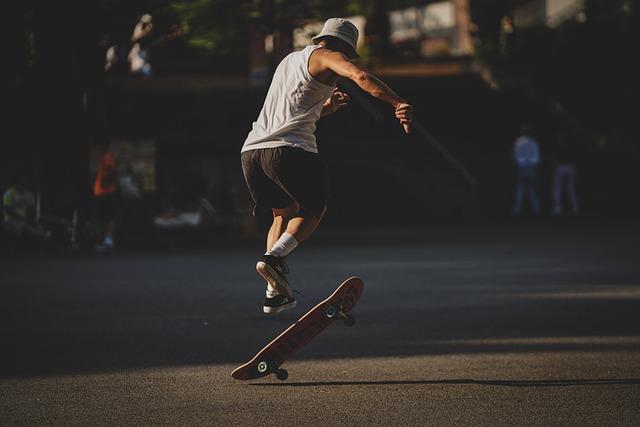
Skateboarding as a Catalyst for Youth Empowerment: Beyond the Board
In the heart of urban landscapes, skateboarding serves as a transformative tool that transcends the conventional boundaries of sport. It empowers youth by fostering a sense of community, creativity, and resilience. Skateparks, often the epicenter of this cultural phenomenon, provide a safe haven where young people can explore their potential beyond the limitations imposed by their environment. Investing in these spaces not only supports physical activity but also nurtures a unique subculture that thrives on innovation and self-expression.
- Community Building: Skateparks offer a communal space where youth can gather, share experiences, and build friendships.
- Skill Development: Beyond physical skills, skateboarding enhances problem-solving and perseverance.
- Cultural Enrichment: Skateboarding promotes diversity and inclusion, embracing individuals from various backgrounds.
With the right investment, governments can harness the untapped potential of skateboarding to drive positive change. By integrating skateparks into urban planning, they can provide a platform for youth empowerment that echoes far beyond the concrete confines of the skatepark itself.
Strategic Planning for Skatepark Success: Recommendations for Government Action
For governments aiming to foster vibrant urban communities, investing in skateparks can be a transformative strategy. A well-designed skatepark not only serves as a recreational hub but also acts as a catalyst for community engagement and youth empowerment. To ensure skatepark success, governments should consider several strategic actions:
- Engage Local Communities: Involve local skaters and residents in the planning process to create a space that reflects the unique character and needs of the community.
- Prioritize Accessibility: Design skateparks with inclusivity in mind, ensuring that they are accessible to individuals of all ages and abilities.
- Promote Safety and Maintenance: Implement regular maintenance schedules and safety checks to keep the facilities in top condition and ensure user safety.
- Integrate Educational Programs: Partner with local organizations to offer workshops and events that enhance skills and foster a sense of belonging among urban youth.
By embracing these strategies, governments can transform skateparks into dynamic community assets that support urban youth, encourage healthy lifestyles, and nurture local talent.
Wrapping Up
As we glide to the end of this exploration, it’s clear that skateparks are more than just concrete and rails; they are vibrant canvases for creativity, resilience, and community. By investing in these dynamic spaces, governments have the opportunity to not only support urban youth but to empower them. It’s a chance to transform cityscapes into arenas of innovation and inclusivity, where every ollie and kickflip is a testament to potential unleashed. So, let’s push forward with confidence, advocating for a future where skateparks are not just a dream for the few, but a reality for the many—an emblem of a society that rolls forward, inclusive, inspired, and unstoppable.