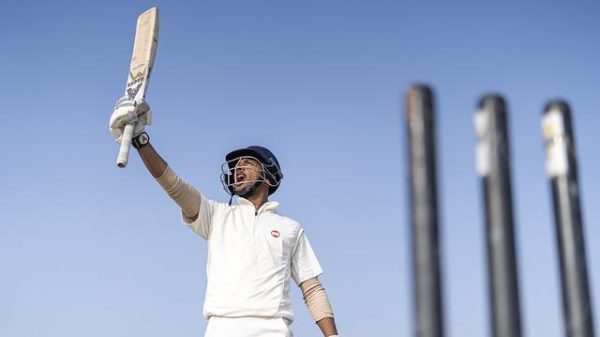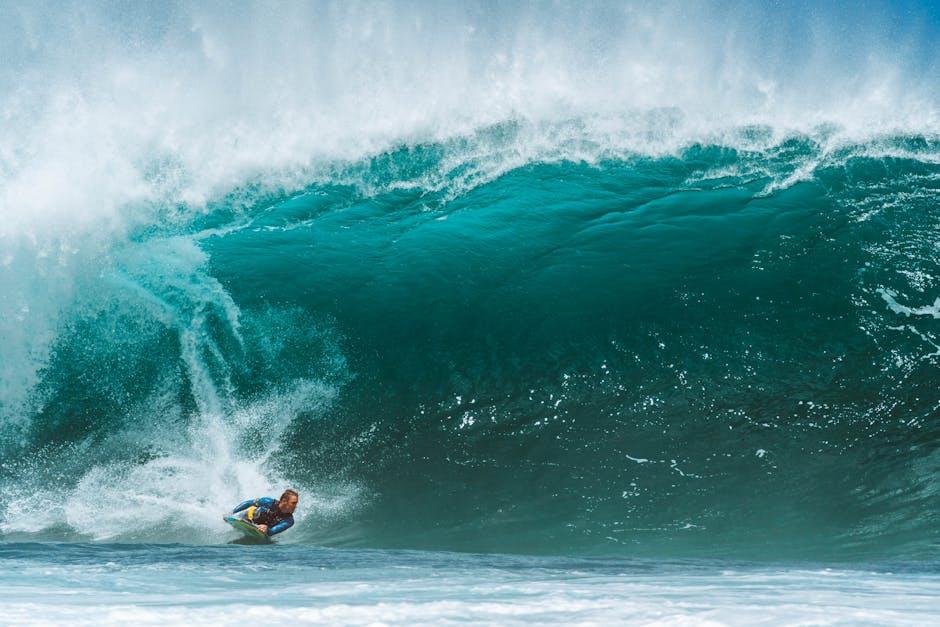
In recent years, the world of extreme sports has witnessed a dramatic transformation, evolving from niche pursuits into mainstream spectacles that captivate global audiences. As these high-adrenaline activities have gained prominence, they have increasingly attracted the attention of corporate sponsors and media conglomerates eager to capitalize on their growing popularity. This shift has sparked a critical dialogue among athletes, fans, and industry experts: Are extreme sports competitions becoming too focused on commercialization? This article delves into the multifaceted implications of commercialization in extreme sports, examining how financial interests may be influencing the integrity of competitions, the safety of participants, and the authenticity of the sports themselves. By analyzing current trends and stakeholder perspectives, we aim to provide a comprehensive understanding of the delicate balance between commercial success and the core values that define extreme sports.
Impact of Commercialization on Athlete Performance and Safety
The growing emphasis on commercialization in extreme sports has sparked a significant shift in both athlete performance and safety. As sponsorships and media coverage intensify, athletes often feel pressured to push the boundaries, sometimes at the expense of their well-being. The pursuit of more spectacular feats for viewer engagement can lead to increased risk-taking. With events becoming larger and more globally broadcasted, the stakes have never been higher. This pressure to deliver awe-inspiring performances can compromise athletes’ decision-making, leading to potentially dangerous situations.
Moreover, the financial incentives associated with winning have escalated, prompting athletes to prioritize performance over safety. Considerations such as adequate rest and recovery periods can be overshadowed by the demands of training schedules and sponsor obligations. There is also a noticeable shift in the focus of training programs, which now often emphasize marketable skills over foundational safety practices. Key concerns include:
- Heightened risk of injury due to increased pressure to perform
- Potential neglect of safety protocols in favor of thrilling performances
- Increased stress levels leading to mental health challenges
These factors collectively raise critical questions about the true cost of commercialization in extreme sports and highlight the need for a balanced approach that prioritizes athlete well-being alongside commercial interests.
Balancing Sponsorship Interests with Authentic Competition Values
The allure of extreme sports lies in their raw authenticity, pushing human limits and embodying a spirit of adventure. However, as sponsorships increasingly become a financial backbone, a delicate equilibrium must be maintained. Sponsorship deals, while crucial for funding events and athletes, can inadvertently steer the focus away from the core values of the sport. This shift can manifest in several ways:
- Event Formats: Sponsors might prefer formats that maximize viewer engagement rather than challenge athletes’ skills.
- Media Representation: The narrative can become skewed towards branding, overshadowing the stories of perseverance and grit.
- Resource Allocation: Funds might prioritize commercial visibility over training facilities or athlete development.
To preserve the integrity of competition, stakeholders must prioritize transparency and dialogue between sponsors, athletes, and organizers. By fostering a collaborative environment where commercial interests complement rather than dominate, extreme sports can maintain their authentic essence while benefiting from necessary financial support.
Evaluating the Influence of Media Coverage on Extreme Sports Culture
As extreme sports have surged in popularity, media coverage has become a double-edged sword, shaping the culture while simultaneously pushing it towards commercialization. Media outlets, eager to capture the thrill and drama of extreme sports, often focus on sensational stories and high-profile events. This has led to a shift in how these sports are perceived and practiced, with a growing emphasis on sponsorships, endorsements, and mass appeal. The intense spotlight has prompted a change in priorities, where the purity of the sport is sometimes overshadowed by the quest for marketability and profit.
The influence of media has brought about both positive and negative consequences. On one hand, increased visibility has led to greater opportunities for athletes and the development of new, exciting competitions. On the other hand, the pressure to conform to commercial interests can lead to compromises in the authenticity of the sport. Key considerations include:
- Sponsorship deals that dictate the direction and nature of competitions.
- Media narratives that prioritize spectacle over skill.
- The potential for athlete burnout due to relentless promotion and branding obligations.
Ultimately, while commercialization has its benefits, maintaining the core values and spirit of extreme sports is essential to preserving their unique cultural identity.
Strategic Recommendations for Sustainable and Ethical Growth in Extreme Sports Competitions
To ensure that extreme sports competitions thrive sustainably and ethically, it is crucial to adopt a holistic approach that balances commercial interests with the core values of the sport. Investing in athlete welfare should be a priority. This includes providing comprehensive insurance coverage, mental health support, and fair compensation to reflect the risks and skills involved. Furthermore, promoting environmental stewardship is essential. Organizers should commit to eco-friendly practices, such as reducing carbon footprints and minimizing waste at events. This can be achieved through partnerships with sustainable brands and implementing recycling and energy-efficient technologies.
Another strategic recommendation is to foster community engagement and inclusivity. By involving local communities in event planning and decision-making, competitions can create a sense of ownership and cultural respect. Additionally, ensuring diversity in participation by encouraging athletes from various backgrounds and providing platforms for underrepresented groups can enrich the competitive landscape. embracing transparency and ethical marketing practices will help build trust with audiences. Clear communication about sponsorships and a commitment to authenticity over profit-driven motives can ensure that the spirit of extreme sports remains untarnished by commercial pressures.