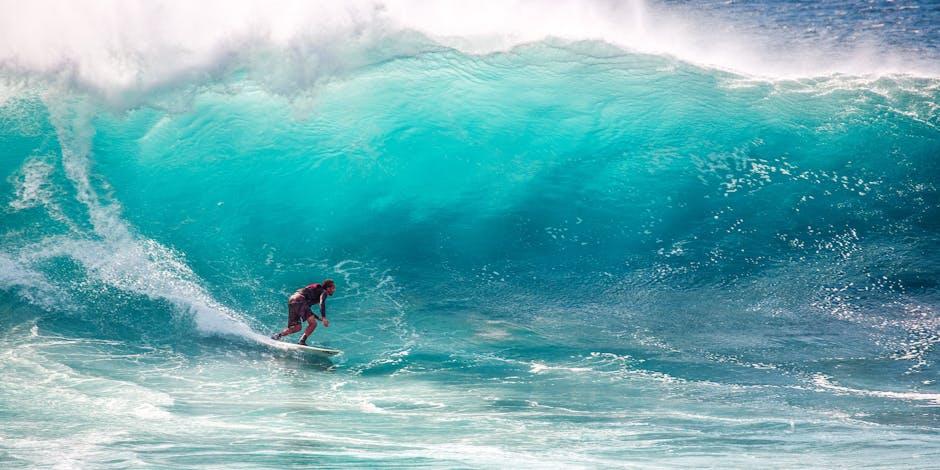
Big wave surfing, an exhilarating sport that pushes the boundaries of human courage and skill, has captured the imagination of adventurers and spectators alike. With waves towering over 20 feet, these oceanic giants offer a thrilling yet perilous playground for those who dare to ride them. As the popularity of big wave surfing continues to rise, so does the debate surrounding its regulation. While some argue that increased oversight could enhance safety and preserve the sport’s integrity, others fear it might stifle the freedom and spontaneity that define surfing’s essence. This article delves into the intricacies of this debate, exploring how thoughtful regulation could potentially harmonize safety with the spirit of adventure, ensuring that big wave surfing remains a thrilling pursuit for generations to come.
Enhancing Safety Protocols for Big Wave Surfing
In the exhilarating world of big wave surfing, safety is paramount. To address this, adopting a comprehensive set of protocols can significantly reduce risks and enhance the overall experience for surfers. Safety measures should include:
- Advanced Training Programs: Encourage surfers to participate in specialized training that focuses on navigating massive waves, understanding ocean patterns, and mastering emergency techniques.
- Equipment Checks: Regular inspections of surfboards and safety gear to ensure everything is in optimal condition before hitting the waves.
- Communication Systems: Utilize modern technology, such as waterproof communication devices, to keep surfers connected with their teams and lifeguards on the shore.
- Environmental Awareness: Educate surfers on the local marine ecosystem and weather conditions, promoting respect and adaptability to changing environments.
By implementing these strategies, the surfing community can foster a safer environment, allowing surfers to push the boundaries of their sport while minimizing potential hazards. This proactive approach not only protects lives but also elevates the sport, attracting more enthusiasts to experience the thrill of riding giant waves.

Encouraging Collaboration Among Surfers and Authorities
Creating a harmonious relationship between surfers and authorities is pivotal for the future of big wave surfing. By fostering an environment of open dialogue and mutual respect, both parties can work towards shared goals. Authorities can provide essential resources and safety measures, while surfers offer their expertise and insights into the sport. A collaborative approach can lead to the development of well-informed regulations that protect the environment and ensure the safety of participants.
- Regular Meetings: Organize forums or town hall meetings where surfers and authorities can discuss concerns and share ideas.
- Joint Safety Programs: Develop training sessions that combine the practical knowledge of surfers with the regulatory expertise of authorities.
- Feedback Channels: Establish clear and accessible channels for surfers to provide feedback on existing regulations and suggest improvements.
- Community Events: Host events that celebrate the culture of surfing while promoting safe practices and environmental stewardship.
By encouraging collaboration, we pave the way for a sustainable future where the thrill of big wave surfing can be enjoyed responsibly. Such partnerships not only enhance safety but also contribute to the sport’s vibrant community, enriching the experience for everyone involved.

Implementing Advanced Technology for Wave Monitoring
Integrating cutting-edge technology in wave monitoring has the potential to revolutionize the world of big wave surfing. By deploying smart buoys equipped with sensors, surfers can receive real-time data on wave height, frequency, and direction. This information is invaluable for ensuring both safety and performance. Moreover, advanced drones can provide aerial views of surf conditions, enabling surfers to make informed decisions from the shore before heading out into potentially hazardous waters.
Additionally, leveraging machine learning algorithms can enhance predictive analytics, offering surfers forecasts on wave patterns days in advance. This technology not only enhances the thrill of the sport but also prioritizes safety by providing crucial insights. Implementing these systems could potentially support the development of more comprehensive surfing regulations that ensure the well-being of all participants. Key benefits of these advancements include:
- Enhanced Safety: Immediate alerts about dangerous conditions.
- Better Planning: Accurate wave predictions to optimize surfing schedules.
- Environmental Awareness: Monitoring systems that track oceanic changes.
- Community Engagement: Sharing data with local authorities and surf clubs to foster informed decision-making.

Promoting Sustainable Practices in Big Wave Surfing
Embracing sustainable practices in the realm of big wave surfing is not just an environmental imperative but also an opportunity to enhance the sport’s integrity and longevity. Surfers and event organizers are increasingly aware of their environmental impact, leading to innovative approaches that prioritize sustainability. To cultivate this positive trend, we can adopt several measures:
- Eco-friendly Equipment: Opt for surfboards made from recycled or biodegradable materials, reducing the carbon footprint associated with traditional manufacturing processes.
- Green Events: Organize surfing competitions that minimize waste by implementing recycling programs and using renewable energy sources for power needs.
- Conservation Partnerships: Collaborate with environmental organizations to protect marine ecosystems, ensuring that the waves remain a pristine playground for future generations.
By integrating these strategies, the big wave surfing community can set a powerful example for other sports, showcasing how athleticism and environmental stewardship can ride the same wave toward a sustainable future.