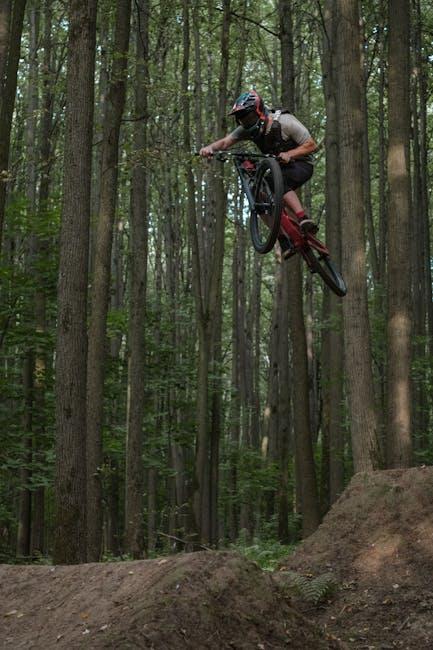
The world of mountain biking is as diverse as the terrains it traverses, continually evolving to embrace new styles and challenges. Among these, freeride mountain biking has surged in popularity, captivating enthusiasts with its emphasis on creativity, daring stunts, and unbounded exploration. As this dynamic discipline garners more attention, questions arise about its impact on traditional mountain biking races, which have long been the backbone of the sport. This article delves into the interplay between freeride mountain biking and conventional racing, exploring whether the burgeoning enthusiasm for freeride poses a threat or offers new opportunities for growth and innovation within the mountain biking community. With an optimistic lens, we will examine how these two facets of mountain biking can coexist, potentially enriching the sport and broadening its appeal to a wider audience.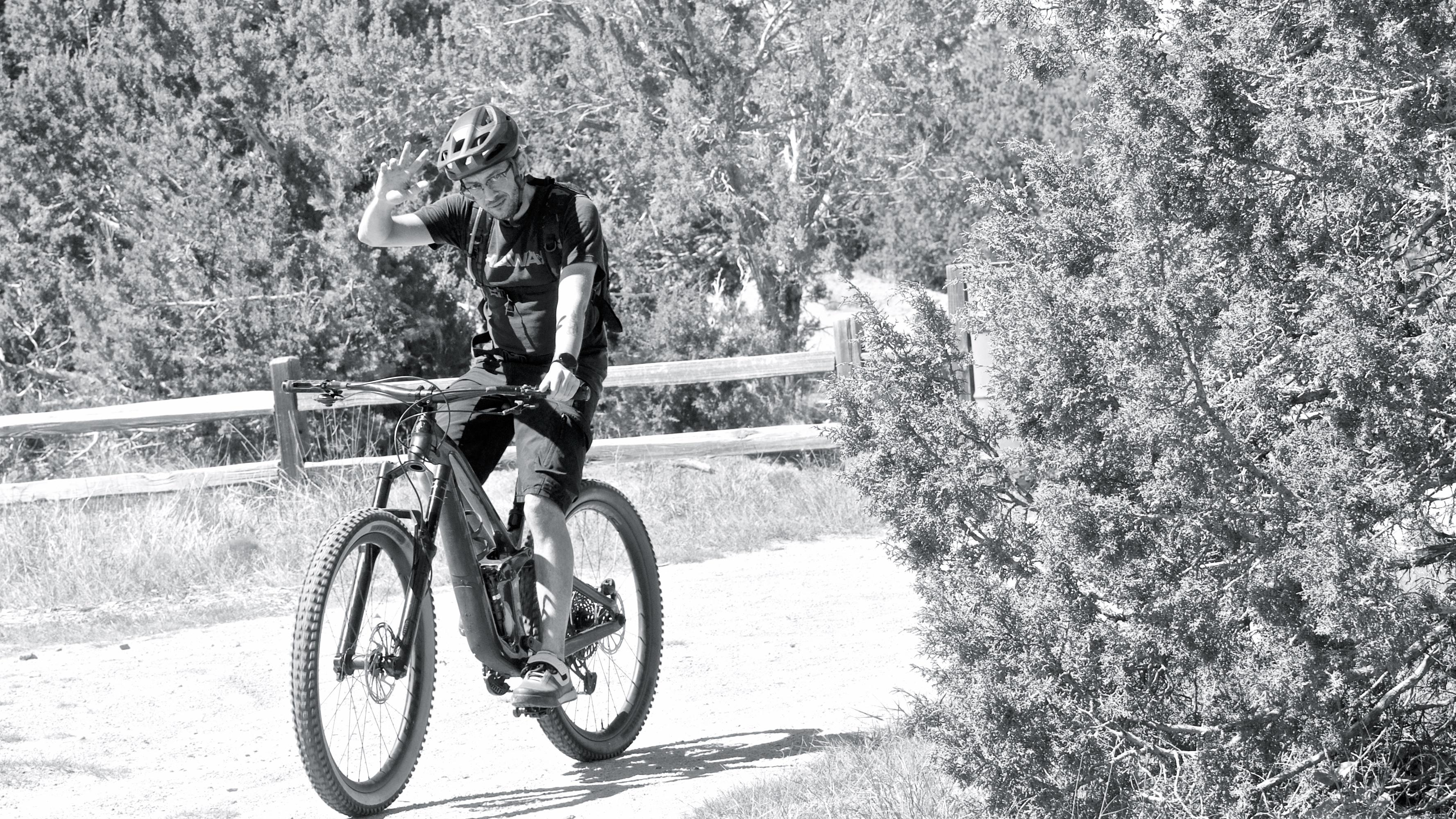
Understanding the Synergy Between Freeride and Traditional Racing
Freeride mountain biking and traditional racing may seem like two distinct worlds, yet they share a symbiotic relationship that benefits both disciplines. Freeride emphasizes creativity, style, and individual expression, allowing riders to push the boundaries of what’s possible on two wheels. This innovation spills over into traditional racing, where new techniques and bike technologies often emerge from the freeride scene. As freeride gains popularity, it draws more enthusiasts into the mountain biking community, increasing overall interest and participation in the sport.
On the other hand, traditional racing provides a structured environment where skills honed in freeride can be tested against the clock or other competitors. The synergy between these two forms of biking is evident in several areas:
- Technology: Advancements in bike design, such as suspension systems and lightweight materials, often originate from freeride demands but benefit racers seeking speed and efficiency.
- Skill Development: Riders transitioning between freeride and racing develop a diverse skill set, enhancing their adaptability and performance in various terrains.
- Community Growth: The excitement and visibility of freeride events attract a broader audience, many of whom explore traditional racing as a new challenge.
Harnessing Freeride Innovation to Elevate Competitive Racing
While traditional mountain bike racing has long been a bastion of endurance and speed, the surge in freeride innovation offers a refreshing influx of creativity and technical prowess that can invigorate competitive racing. Freeride mountain biking, with its emphasis on style, technique, and daring, introduces a dynamic range of skills that racers can integrate into their repertoire. By embracing the spirit of freeride, racers can enhance their performance through:
- Improved Technical Skills: Freeride techniques demand precise control and balance, which can sharpen a racer’s ability to navigate challenging terrain with greater agility.
- Creative Line Choices: Freeride riders often carve out unconventional paths, encouraging racers to think outside the box and find faster, more efficient lines.
- Enhanced Bike Handling: The adaptability required in freeride can translate into superior bike handling skills, allowing racers to maintain speed and stability in varied conditions.
By merging the innovative spirit of freeride with the structured discipline of racing, the sport can evolve to become more inclusive, exciting, and engaging for participants and spectators alike. Embracing this synergy could pave the way for new race formats and competitions that celebrate both speed and creativity.
Strategies for Integrating Freeride Elements into Traditional Racing
Embracing the dynamic world of freeride mountain biking while preserving the essence of traditional racing requires a strategic approach. Incorporating freeride elements into traditional racing can be a game-changer for both disciplines, offering fresh challenges and engaging a wider audience. Here are some strategies to achieve this integration:
- Course Design Innovations: Blend technical downhill sections with freeride-inspired features like jumps, drops, and berms. This can create a more exhilarating experience for racers and spectators alike, highlighting the skills of versatile riders.
- Diversified Event Formats: Introduce hybrid race formats that combine timed sections with style-focused segments. This not only tests speed but also creativity and control, appealing to a broader range of participants and fans.
- Collaborative Competitions: Host events that bring together freeride and racing communities, fostering an environment of mutual respect and shared passion. By highlighting both disciplines, these events can cultivate a spirit of innovation and camaraderie.
By weaving these freeride elements into the traditional racing tapestry, we can enrich the sport, inspire new participants, and celebrate the multifaceted nature of mountain biking.
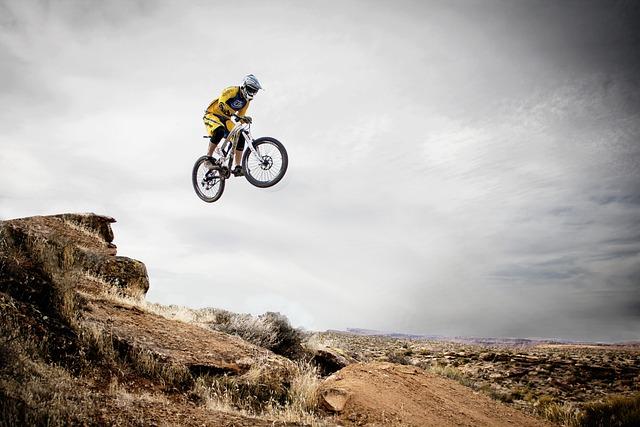
Building a Collaborative Future for Freeride and Racing Communities
In the evolving landscape of mountain biking, the intersection between freeride and traditional racing communities is creating a dynamic synergy that promises to benefit both. While freeride mountain biking, with its emphasis on creativity and personal expression, may seem at odds with the structured nature of traditional racing, it actually offers a wealth of opportunities for collaboration and growth. By embracing a shared vision, these communities can enhance the overall experience for riders and spectators alike.
- Innovation in Course Design: Freeride’s influence encourages more innovative and challenging course designs in racing, pushing the boundaries of what’s possible and inspiring racers to elevate their skills.
- Shared Events and Festivals: Combining events can draw larger crowds, offering a platform for racers and freeriders to showcase their talents side by side, fostering mutual respect and camaraderie.
- Cross-Pollination of Skills: Riders from both disciplines can learn from each other, with racers adopting freeride techniques for agility and style, while freeriders gain insights into precision and speed.
By focusing on collaboration, these communities can not only coexist but thrive, creating a richer, more inclusive environment that celebrates the diverse talents and passions within mountain biking.