Skateboarding, once relegated to the fringes of urban culture, has evolved into a powerful influence on urban design worldwide. As cities grapple with the challenges of modernity, including population growth, environmental sustainability, and the need for inclusive public spaces, skateboarding emerges as a catalyst for innovative design solutions. This article delves into the global impact of skateboarding on urban landscapes, exploring how this dynamic sport has transcended its subcultural roots to inform the architectural and social fabric of cities. From the integration of skate-friendly infrastructure in public spaces to the reimagining of urban areas as vibrant, multifunctional environments, skateboarding is reshaping how cities are planned and experienced. Through an examination of case studies and expert insights, we uncover the transformative potential of skateboarding in fostering more connected, lively, and resilient urban communities.
Urban Landscapes Transformed by Skateboarding Culture
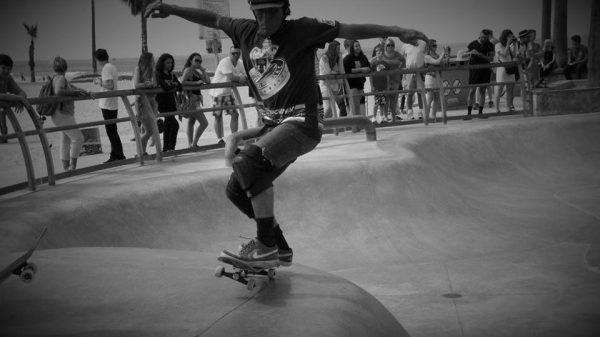
In recent decades, skateboarding has emerged as a powerful influence on urban design, reshaping cityscapes in innovative and dynamic ways. Skateparks have become integral components of urban planning, offering more than just recreational spaces. These structures, often characterized by their flowing curves, ramps, and rails, contribute to the aesthetic and functional diversity of cities. Urban planners and architects now frequently incorporate skate-friendly elements into public spaces, recognizing skateboarding as a tool for social engagement and community building. This transformation not only accommodates skateboarders but also enhances urban areas by promoting inclusivity and vibrancy.
- Adaptive Use of Space: Skateboarding encourages the creative repurposing of underutilized areas, turning empty lots and neglected plazas into thriving community hubs.
- Cultural Landmarks: Iconic skate spots like San Francisco’s Embarcadero or Barcelona’s MACBA have become cultural landmarks, drawing tourists and boosting local economies.
- Sustainability: Incorporating skateboarding into urban design often involves using durable, sustainable materials that withstand heavy use and minimize environmental impact.
Integrating Skate-Friendly Infrastructure in City Planning
Incorporating elements that cater to skateboarders in urban environments is more than just a nod to youth culture; it represents a forward-thinking approach to city design. Skate-friendly infrastructure not only enhances the vibrancy of public spaces but also promotes inclusivity and accessibility. Cities around the world are recognizing the value of integrating features such as skate parks, smooth pavements, and multi-use trails that accommodate a variety of wheeled activities.
- Increased Foot Traffic: Skate-friendly areas attract diverse groups, boosting local businesses and community engagement.
- Enhanced Public Safety: Well-designed spaces reduce conflicts between skaters and pedestrians, creating safer urban environments.
- Encouragement of Active Lifestyles: By providing designated areas for skating, cities encourage physical activity among residents of all ages.
- Revitalization of Underutilized Spaces: Transforming vacant lots or neglected areas into skate-friendly zones can revitalize neighborhoods and foster a sense of community pride.
By embracing skateboarding as a legitimate mode of urban engagement, cities can foster a more dynamic, inclusive, and sustainable urban landscape. This shift not only reflects contemporary recreational trends but also aligns with broader urban planning goals of creating spaces that are accessible and enjoyable for all citizens.

The Economic and Social Benefits of Skateboarding in Urban Areas
Skateboarding has evolved from a subculture to a significant urban movement that carries both economic and social advantages. Economically, skateparks and skate-friendly zones contribute to the revitalization of urban areas. They attract tourists, enhance local business revenues, and increase property values. Socially, skateboarding fosters community engagement and provides a platform for creative expression, inclusivity, and youth development.
- Community Revitalization: Skateboarding events and parks encourage foot traffic, drawing both local residents and tourists to explore surrounding businesses.
- Youth Engagement: By offering a constructive outlet for energy, skateboarding reduces juvenile delinquency and promotes positive social interactions among diverse groups.
- Cultural Exchange: Skateparks serve as melting pots where people from various backgrounds and age groups come together, enhancing cultural understanding and community solidarity.

Designing Inclusive Spaces: Recommendations for Urban Planners
Incorporating skateboarding into urban design requires a thoughtful approach that promotes inclusivity and accessibility. Urban planners are encouraged to consider the diverse needs of skateboarders while ensuring these spaces are safe and welcoming for all. Public skateparks should be strategically located in areas that are easily accessible by public transport and integrated into community hubs to foster social interaction. Multifunctional spaces that allow for a variety of activities can attract a broader audience, enhancing community engagement and reducing the stigma often associated with skateboarding.
- Accessibility: Ensure that skateparks are designed with ramps and pathways suitable for individuals with disabilities.
- Safety: Incorporate lighting and clear signage to enhance security and navigation within skateboarding areas.
- Sustainability: Use eco-friendly materials and designs that minimize environmental impact.
- Community Involvement: Engage local skateboarders and community members in the planning process to ensure the spaces meet their needs and preferences.
By prioritizing these elements, urban planners can create inclusive environments that not only support the skateboarding community but also contribute to vibrant, dynamic urban landscapes.