As the popularity of electric mountain bikes (e-MTBs) continues to surge, outdoor enthusiasts and environmental stewards alike find themselves navigating the thrilling possibilities and potential pitfalls of this modern innovation. While e-MTBs offer an exhilarating way to explore the great outdoors, their integration into traditional trail systems has sparked a lively debate about safety and sustainability. This article aims to provide a comprehensive overview of the potential risks and rewards associated with e-MTBs on trails, equipping readers with the knowledge to make informed decisions. By examining the unique dynamics of e-MTBs and exploring best practices for safe trail use, we can embrace this technological advancement with confidence and ensure that our natural landscapes remain a sanctuary for adventure and preservation.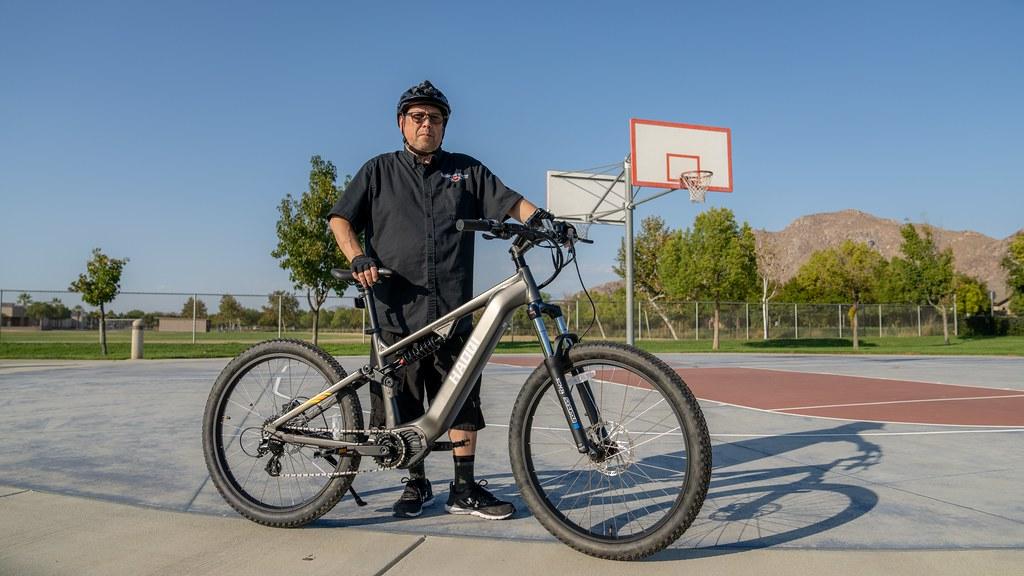
Understanding the Safety Concerns of Electric Mountain Bikes
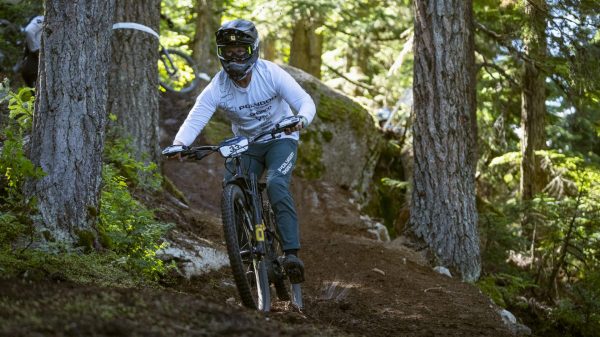
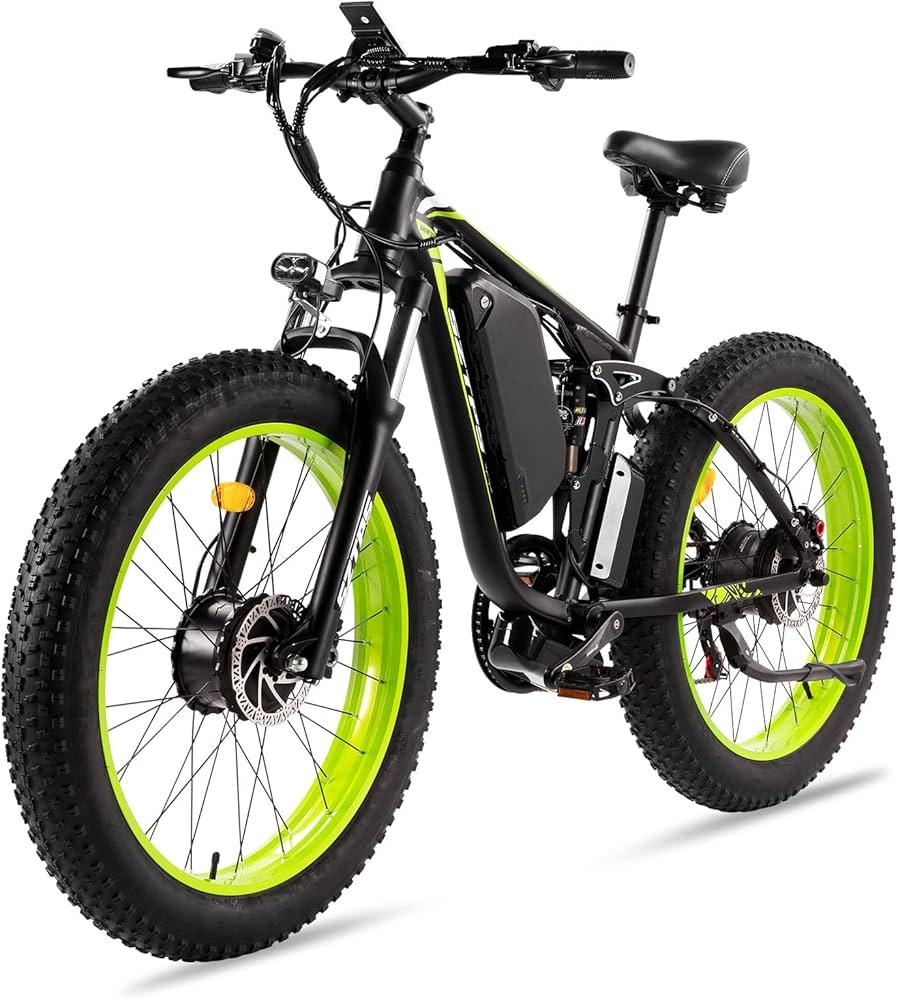
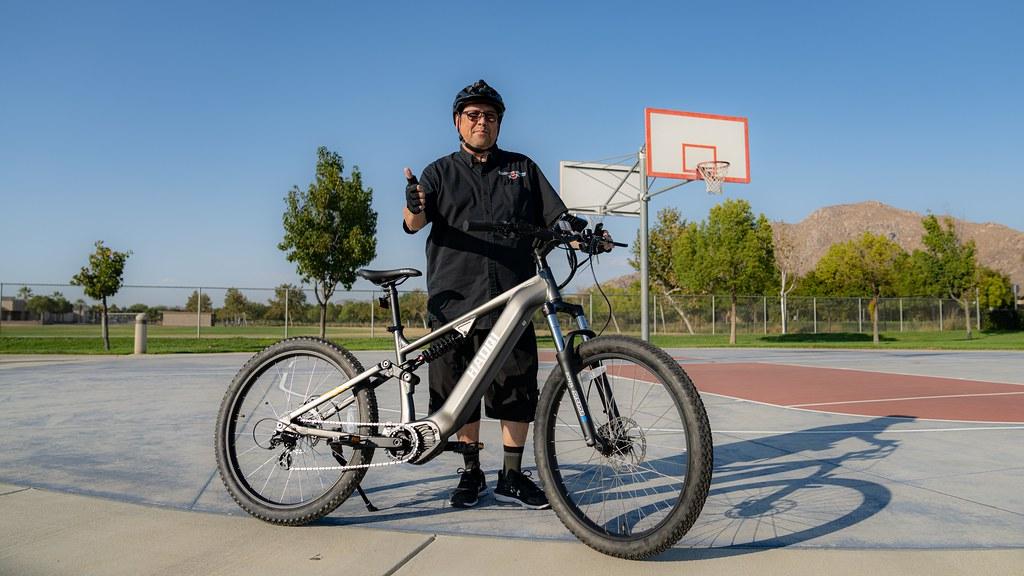
Electric mountain bikes, with their powerful motors and enhanced capabilities, have revolutionized the way we experience trails. However, their increased speed and weight introduce certain safety concerns that riders should be aware of. Trail etiquette becomes even more crucial, as these bikes can reach higher speeds, potentially surprising other trail users. It’s essential to maintain control and reduce speed when approaching corners or other riders to ensure everyone’s safety.
Another factor to consider is the bike’s weight. E-bikes are generally heavier than traditional mountain bikes, which can affect handling, especially on technical trails. Key safety measures include:
- Regularly checking brakes and suspension systems to ensure they are functioning optimally.
- Wearing appropriate safety gear, such as helmets and pads, to protect against falls.
- Being mindful of battery levels to avoid getting stranded on long trails.
By embracing these precautions and respecting other trail users, riders can enjoy the benefits of electric mountain biking while minimizing risks.
Enhancing Trail Safety with Responsible E-Bike Usage
Embracing the world of electric mountain biking opens up a thrilling avenue for exploration, yet it also comes with the responsibility to ensure safety for all trail users. Riders can significantly enhance trail safety by adhering to a few key practices. Consider the following:
- Speed Management: Electric bikes can achieve higher speeds effortlessly. Riders should always adjust their speed according to trail conditions and traffic to maintain control and prevent accidents.
- Trail Etiquette: Yield to other trail users, particularly hikers and equestrians, and give a polite warning when approaching from behind. Respecting others’ trail experiences ensures a harmonious environment.
- Stay on Designated Paths: Avoid venturing off the marked trails to protect the environment and prevent erosion. This not only preserves the trail’s natural beauty but also minimizes the risk of unexpected encounters.
With responsible riding practices, electric mountain bikes can coexist harmoniously with traditional trail activities, offering a sustainable way to enjoy the great outdoors while ensuring everyone’s safety.
Innovative Solutions for Safer E-Bike Trail Integration
As the popularity of electric mountain bikes (e-MTBs) continues to surge, trail managers and cycling enthusiasts are exploring innovative approaches to ensure these thrilling machines coexist safely with traditional trail users. One effective strategy is the implementation of speed regulation zones. By using technology such as geo-fencing and smart sensors, trail speeds can be monitored and controlled, creating a safer environment for all. This allows e-MTB riders to enjoy the thrill of their bikes while maintaining harmony with hikers and traditional cyclists.
Another promising solution is the development of dedicated e-bike trails. These paths are designed with the unique capabilities and speed of e-MTBs in mind, featuring wider lanes and more gradual curves to accommodate higher speeds. Community involvement is also crucial; engaging local cycling groups and environmental organizations can foster a culture of shared responsibility. Collaborative efforts may include:
– Trail maintenance workshops to address wear and tear caused by increased e-bike traffic.
– Educational programs that inform both e-MTB riders and other trail users about etiquette and safety practices.
– Feedback systems allowing trail users to report issues and suggest improvements.
By embracing these forward-thinking solutions, we can create a balanced ecosystem where e-MTBs and traditional trail users not only coexist but thrive together.
Empowering Riders with Knowledge and Skills for Safe E-Biking
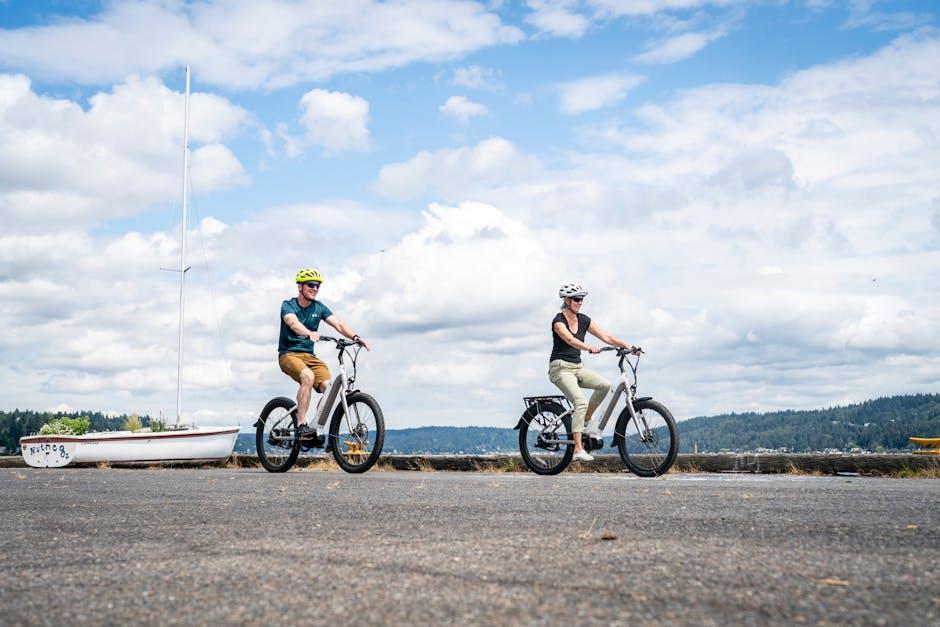
Understanding the dynamics of e-biking is essential for ensuring a safe and enjoyable experience on the trails. Knowledge and skills are your best allies. By learning about the unique features and handling characteristics of electric mountain bikes, riders can better navigate varied terrains and maintain control. Familiarize yourself with the bike’s power modes, braking system, and battery management to enhance your confidence and safety on every ride.
- Take a Skills Course: Many organizations offer e-bike-specific training that covers everything from basic handling to advanced trail techniques.
- Practice Regularly: Consistent practice helps to develop muscle memory and improve reaction times, making it easier to handle unexpected obstacles.
- Stay Informed: Keep up-to-date with the latest trail etiquette and local regulations to ensure your riding remains respectful and within the law.
- Equip Properly: Invest in quality protective gear and regularly check your bike’s components to prevent mechanical failures.
Empowering yourself with this knowledge and these skills will not only enhance your riding experience but also contribute to a safer trail environment for everyone. Embrace the learning curve with enthusiasm and see it as an opportunity to become a more competent and responsible rider.