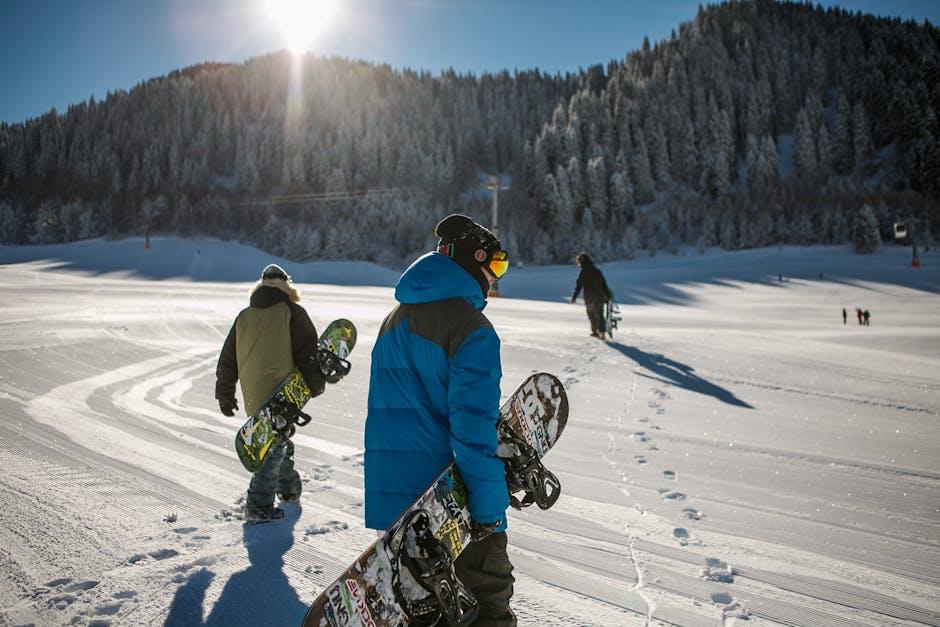
As the snow begins to blanket the mountains, snowboarders eagerly anticipate the thrill of carving through fresh powder and mastering new tricks. Yet, amidst the excitement, it’s essential to remember the importance of joint protection to ensure a safe and enjoyable snowboarding experience. Whether you’re a seasoned pro or a novice hitting the slopes for the first time, safeguarding your joints is key to maintaining both your performance and longevity in the sport. In this guide, we’ll explore practical strategies and expert tips to help you protect your joints, allowing you to fully embrace the exhilarating world of snowboarding with confidence and peace of mind.
Mastering Warm-Up Techniques for Joint Safety
Before hitting the slopes, it’s crucial to engage in effective warm-up routines that prioritize joint safety. Dynamic stretching is a great way to start, as it not only increases blood flow but also enhances flexibility, reducing the risk of injury. Consider incorporating exercises such as:
- Leg Swings: Swing each leg back and forth to loosen up your hip joints and improve mobility.
- Arm Circles: Perform wide circles with your arms to activate shoulder joints and increase range of motion.
- Torso Twists: Gently twist your torso from side to side, which helps in warming up your spinal column and core muscles.
Another important aspect is joint-specific activation. Focus on exercises that mimic the movements you will perform while snowboarding. This could include knee bends, ankle rotations, and hip openers. By preparing your body with these targeted warm-ups, you’ll enhance your joint stability and responsiveness, paving the way for a safer and more enjoyable snowboarding experience.
Choosing the Right Gear to Support Your Joints
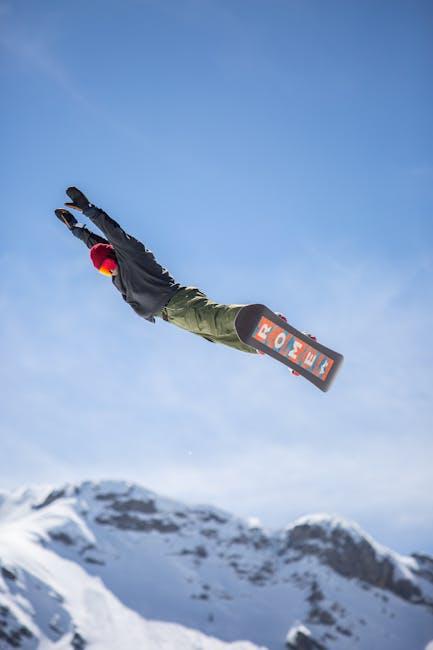
When hitting the slopes, ensuring your joints are well-protected can make a world of difference in your performance and comfort. Investing in the right gear is essential to keep your knees, wrists, and other vulnerable joints safe from injury. Knee braces are a popular choice among snowboarders as they provide stability and support, especially during those daring turns and jumps. Opt for braces made from breathable, flexible materials to maintain comfort without restricting movement. For added protection, consider wearing padded shorts to shield your hips and tailbone from hard falls.
Another crucial piece of equipment is wrist guards. Snowboarding often results in falls, and instinctively, we use our hands to break those falls, putting wrists at risk. Choose guards that fit snugly under your gloves and are made from durable materials to absorb impact. Additionally, properly fitted boots are essential not only for control but also to support your ankles and prevent unnecessary strain. When selecting gear, prioritize those that offer a blend of protection, flexibility, and comfort to ensure your time on the mountain is as enjoyable and safe as possible.
Developing Proper Snowboarding Posture for Joint Health
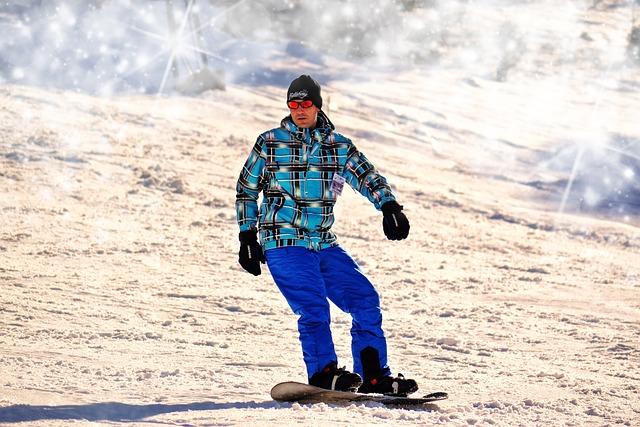
Achieving the right stance on your snowboard can be a game-changer for joint health. Ensuring your posture is spot-on not only boosts performance but also minimizes the risk of injury. Start by bending your knees slightly, which acts as a natural shock absorber, protecting your knees and hips from the jarring impacts of the slopes. Keep your back straight and your shoulders aligned with your board to maintain balance and reduce strain on your spine.
- Engage your core: A strong core provides stability, reducing the load on your knees and ankles.
- Distribute your weight evenly: This helps prevent overloading one joint, particularly during turns or jumps.
- Keep your arms relaxed: Tension in your arms can travel to your shoulders and neck, so let them hang naturally to maintain fluidity in your movement.
By focusing on these posture principles, you not only safeguard your joints but also enhance your overall snowboarding experience. Adopting a mindful approach to your stance ensures that you can enjoy the thrill of the ride without compromising your joint health.
Incorporating Recovery Practices to Sustain Joint Wellness
After a thrilling day on the slopes, it’s essential to focus on recovery to maintain your joint health. Integrating recovery practices into your routine can significantly aid in reducing inflammation and promoting joint wellness. Here are some effective strategies to consider:
- Hydration: Keeping yourself well-hydrated helps in lubricating your joints and flushing out toxins that could contribute to inflammation.
- Stretching: Engage in gentle stretching exercises targeting your knees, hips, and ankles to improve flexibility and reduce muscle stiffness.
- Cold Therapy: Applying ice packs or taking a cold bath can help in minimizing swelling and soothing sore muscles.
- Restorative Yoga: Incorporating yoga sessions that focus on restorative poses can enhance blood flow to your joints, promoting healing and relaxation.
- Nutrition: Fuel your body with anti-inflammatory foods such as leafy greens, berries, and omega-3 rich fish to support joint recovery.
By making these practices a part of your post-snowboarding routine, you can sustain your joint wellness and continue to enjoy the sport with confidence and vigor.