In the pulsating heart of urban landscapes, where concrete meets creativity, skateparks have long been the sanctuaries for those who dance on wheels. These iconic spaces, with their gritty charm and rebellious energy, have nurtured generations of skaters, artists, and dreamers, serving as the epicenters of street culture. Yet, as the world shrinks and the allure of the unconventional beckons to tourists far and wide, a new question arises: Are these legendary skateparks losing their authentic edge to the tide of tourism? This article delves into the evolving dynamics of these cultural havens, exploring whether the influx of outsiders is diluting the raw spirit that once defined them. Join us as we navigate the ollies and grinds of this cultural crossroads, where the soul of street skating hangs in the balance.
Skateboardings Cultural Shift Unveiled Exploring the Rise of Tourism in Iconic Skateparks
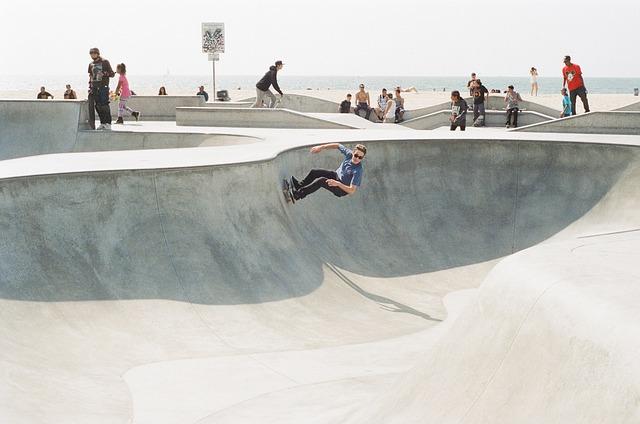
In recent years, the landscape of skateboarding has undergone a significant transformation, as tourism has carved its niche in the world of iconic skateparks. Once the sanctuaries of gritty street culture, these revered spots are now bustling with an influx of tourists eager to capture the essence of skateboarding on their social feeds. The allure of these parks, once defined by the raw and unfiltered expression of local skaters, is now being reshaped by the influence of a global audience.
- Increased Foot Traffic: The surge in visitors often means overcrowded parks, making it difficult for seasoned skaters to practice and newcomers to find their footing.
- Commercialization: With tourism comes a wave of commercialization, as local businesses adapt to cater to tourists, sometimes overshadowing the original skate culture vibe.
- Cultural Dilution: The essence of street culture, once thriving on spontaneity and underground creativity, risks being diluted as the parks transform into mainstream attractions.
Despite these challenges, the global spotlight also offers opportunities for the skateboarding community. It can inspire a new generation of skaters worldwide and elevate the sport’s recognition. However, maintaining a balance between embracing tourism and preserving the authentic spirit of skate culture remains crucial.
The Clash of Tradition and Tourism How Iconic Skateparks are Evolving
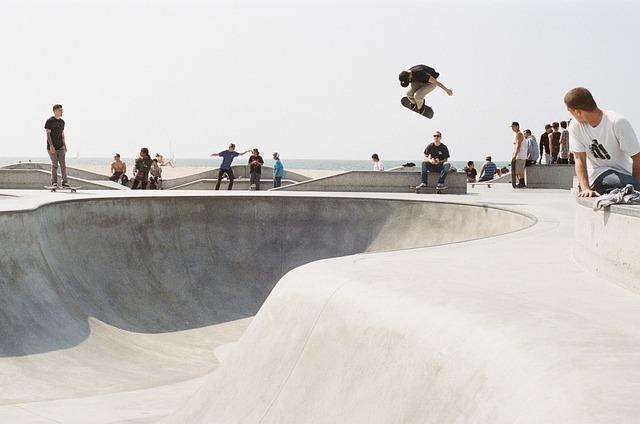
As the allure of urban landscapes continues to captivate the adventurous spirit of tourists worldwide, iconic skateparks find themselves at a crossroads between preserving authentic street culture and embracing a burgeoning influx of visitors. The traditional essence of these skateparks, once sacred grounds for local skaters to hone their craft and express individuality, is gradually evolving into a commercialized spectacle. This transformation is not without its critics. Skate enthusiasts lament the influx of souvenir shops and branded events that overshadow the gritty, raw atmosphere that once defined these urban sanctuaries.
- Local skaters argue that the commercialization dilutes the essence of skate culture, turning once-exclusive spots into crowded arenas.
- Tourists, on the other hand, bring economic benefits and global attention, potentially securing the future of these iconic locations.
- Community initiatives are emerging to strike a balance, creating spaces where tourists and locals can coexist without compromising the skatepark’s original ethos.
Ultimately, the future of these skateparks hinges on a delicate balance between maintaining their underground roots and adapting to the demands of a global audience. The question remains: can tradition and tourism coexist without sacrificing the soul of skate culture?
Preserving Authenticity Strategies to Maintain Street Culture in Tourist Hotspots
In the vibrant crossroads of skate culture and tourism, maintaining authenticity requires a strategic balance between welcoming new visitors and preserving the raw essence that defines iconic skateparks. Engage local skaters as ambassadors of the scene, ensuring their voices and styles remain at the forefront. Collaborate with them to host workshops and events that showcase the unique skills and stories that can’t be found in any guidebook. This not only strengthens the community but also educates tourists on the deep-rooted culture they’re experiencing.
Another powerful approach is to highlight local artists and brands through pop-up shops or graffiti murals within the skatepark. This keeps the local flavor alive and offers tourists a genuine taste of the area’s creativity. Furthermore, incorporating designated zones for filming and photography can help manage the influx of social media enthusiasts, ensuring that the skatepark remains a place for skating first and foremost. By weaving these strategies into the fabric of skateparks, we can ensure that the essence of street culture not only survives but thrives amidst the waves of tourism.
Reviving the Core Recommendations for Balancing Tourism and Skate Culture
To restore the authentic vibe of iconic skateparks amidst the bustling influx of tourists, it’s crucial to revisit and embrace core recommendations that can harmonize both worlds. First and foremost, prioritizing local engagement can reignite the original street culture essence. Skateparks should collaborate with local skaters to host exclusive events, workshops, and competitions that spotlight indigenous talent. This not only maintains a sense of community but also reinforces the park’s roots in street culture.
Additionally, implementing sustainable tourism practices can safeguard the integrity of skate culture. This includes establishing visitor guidelines that respect the space and activities of local skaters. Encouraging tourists to participate in skate culture through respectful observation and involvement rather than mere spectatorship can foster a deeper appreciation. Key initiatives might involve:
- Interactive tours led by local skaters to educate tourists on the history and significance of the park.
- Limited access hours for tourists, allowing skaters dedicated time slots to practice freely.
- Supporting local skate shops by featuring their products and stories, connecting tourists with the community.
By integrating these strategies, iconic skateparks can rejuvenate their street culture allure while still embracing the benefits of tourism.
Concluding Remarks
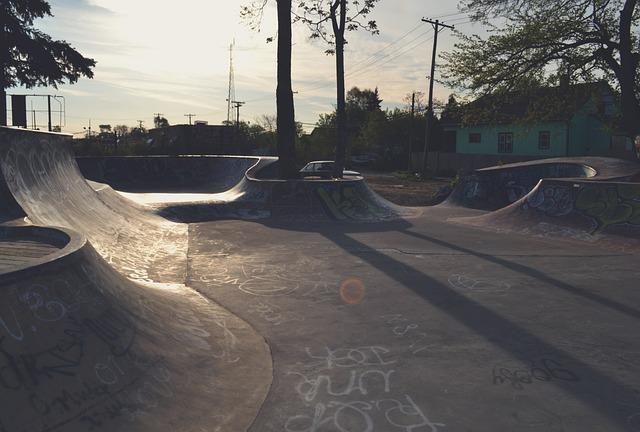
As the sun sets over the concrete waves and graffiti-clad walls of these iconic skateparks, one can’t help but wonder if the essence of street culture is slowly being overshadowed by the influx of tourism. Yet, the heart of skateboarding has always been its resilience and adaptability. While tourists may come and go, drawn by the allure of legendary spots and the promise of Instagram-worthy moments, the true soul of these parks lies in the skaters who return day after day, night after night. They are the keepers of the culture, the storytellers who carve their narratives into the ramps and rails.
Perhaps, instead of losing its street culture appeal, these skateparks are evolving, embracing a new chapter where local grit and global curiosity coexist. The challenge is to balance preservation with progress, ensuring that the spirit of skateboarding continues to thrive amidst the changing tides. As we roll forward, let us remember that while the world may watch, it’s the skaters who write the story, one trick at a time. the essence of street culture is not in the place, but in the people who breathe life into it. And that is a tale that will never fade.