Mountain biking is an exhilarating sport that invites riders to embrace the thrill of nature while pushing their physical limits. Among the many challenges it offers, navigating large drops stands out as both a daunting and rewarding experience. While these features can seem intimidating at first, they also provide an opportunity to enhance your skills and boost your confidence on the trails. In this article, we’ll explore practical techniques and safety tips to help you tackle large drops with assurance and finesse. Whether you’re a seasoned rider looking to refine your technique or a newcomer eager to conquer new heights, our guide aims to equip you with the knowledge and mindset needed to transform fear into excitement, and uncertainty into mastery. Let’s gear up and dive into the art of safely navigating large drops in mountain biking, ensuring every ride is as safe as it is thrilling.
Mastering Your Mindset for Confident Descents
Embracing the thrill of tackling large drops on your mountain bike requires more than just physical preparation; it demands a fortified mindset. Building confidence starts with visualization. Picture yourself executing the drop with precision, focusing on your body position, bike alignment, and landing spot. This mental rehearsal can significantly reduce anxiety and prepare your mind for the task ahead.
Key strategies to enhance your mental game include:
- Stay Positive: Replace negative thoughts with affirmations like “I am capable” and “I am in control.”
- Break It Down: Divide the drop into smaller sections in your mind, and tackle each one individually.
- Deep Breathing: Calm your nerves with deep, controlled breaths before approaching the drop.
- Learn from Others: Watch experienced riders and absorb their techniques and composure.
Remember, the key to confident descents is not only in your skillset but also in the strength of your mindset. Embrace each drop as an opportunity to grow and conquer your fears.
Choosing the Right Gear for a Safe Ride
When tackling large drops in mountain biking, the right gear can make all the difference between a triumphant landing and an unplanned tumble. Investing in quality protective equipment is paramount. Ensure you have a helmet designed specifically for downhill or enduro riding, as these offer enhanced protection and coverage. Padded gloves are essential for absorbing impact and providing a secure grip, while knee and elbow pads can prevent scrapes and bruises on rough landings.
Bike setup is equally crucial. Consider the following elements to optimize your ride for handling drops:
- Suspension: Adjust your suspension settings to be slightly softer, allowing for better shock absorption on impact.
- Tires: Choose tires with good tread patterns for improved traction and stability on diverse terrains.
- Brakes: Ensure your brakes are responsive and well-maintained to control your descent speed effectively.
By thoughtfully selecting and maintaining your gear, you set the foundation for a safer, more exhilarating mountain biking experience.
Perfecting Your Technique for Smooth Landings
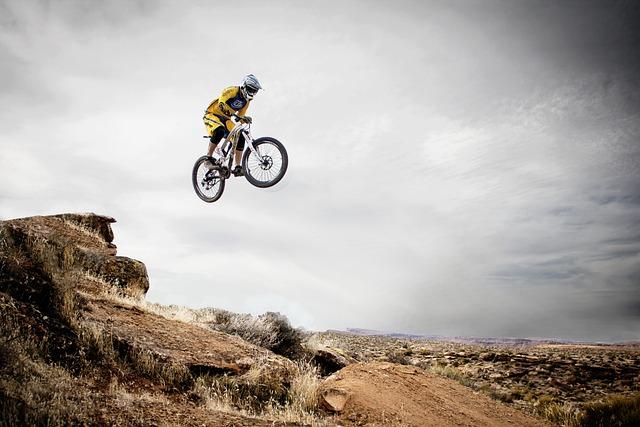
Mastering the art of landing smoothly after navigating a large drop in mountain biking can significantly enhance your riding experience and ensure your safety. Begin by maintaining a balanced posture; keep your elbows and knees slightly bent to absorb the impact. As you approach the edge, shift your weight back slightly while keeping your eyes focused on your landing spot. This focus will help in aligning your bike with the landing zone, ensuring a more controlled descent.
- Commit to the Drop: Hesitation can lead to imbalance. Approach with confidence and a steady speed.
- Use Your Arms and Legs: Act as natural shock absorbers by bending them upon landing to dissipate the impact.
- Feather the Brakes: Apply brakes gently after landing to maintain control without skidding.
By incorporating these techniques, you’ll not only land smoothly but also build the confidence needed for tackling even more challenging terrains. Remember, practice makes perfect, so take the time to refine your skills and enjoy the ride!
Understanding Trail Conditions to Avoid Surprises
Before you set out on your mountain biking adventure, it’s crucial to gather as much information as possible about the trail conditions. Researching online forums, local biking groups, and park websites can provide invaluable insights into recent weather patterns and trail maintenance updates. Pay close attention to reviews from fellow bikers who have recently ridden the trail, as they often highlight specific areas where caution is needed. Understanding the terrain can help you anticipate large drops and prepare for them both mentally and physically.
Once you’re on the trail, keep an eye out for signs of changing conditions. Indicators of potential hazards include:
- Erosion marks: These can suggest loose soil or unexpected dips.
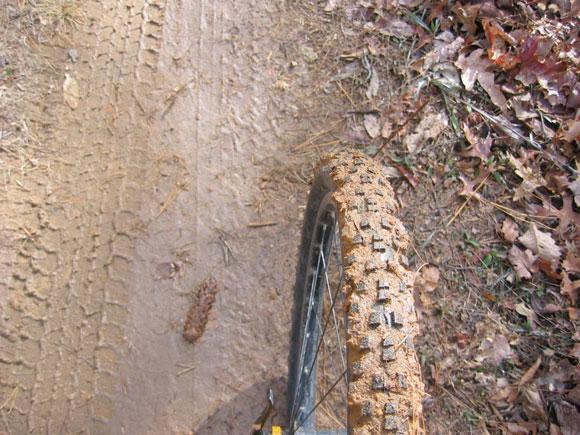
- Wet or muddy patches: Such areas can affect your grip and balance.
- Fallen debris or rocks: These might obstruct your path, especially near drops.
By staying vigilant and informed, you can adjust your riding strategy to handle large drops with confidence and skill. Embrace the challenge and enjoy the ride!